Home » Best cheap dry bags and rucksack liners for 2026
Keeping kit dry does not have to cost a fortune. A simple dry bag or rucksack liner is one of the cheapest upgrades you can make to your outdoor gear, and it can save your phone, spare clothes and sleeping bag from a proper soaking.
Here we have picked out the best budget-friendly dry bags and pack liners available in 2026, all from trusted outdoor brands. They are not the flashiest or most technical models on the market, but they offer sensible waterproof protection at very low prices.
Each one has its own strengths, from ultralight designs for hikers to tough little workhorses for paddling and wet weekends. It is not just about the lowest ticket price, but about which bag gives you the most useful protection per pound spent.
These recommendations are based on the same criteria we use for higher-end kit: sensible design, proven materials and real-world usability. Price matters here, but we only highlight dry bags that we would be happy to rely on ourselves in typical UK weather.
We compare specifications, capacities and brand track records, and we pay close attention to how features line up with the price. If something looks like a false economy, it does not make the cut, even if it is technically cheaper than the rest.
The aim is simple: to point you towards low-cost dry bags that still feel like a sound purchase, whether you are gearing up for your first festival or fine-tuning an ultralight backpacking setup.
We started by looking at the most affordable dry bags and rucksack accessories from well-known outdoor brands, then filtered out anything that clearly prioritised price over basic performance. A dry bag that leaks or fails quickly is not a bargain, however little it costs.
From there, we focused on models that cover the most useful small capacities, as these are the sizes hikers and campers reach for most often. We looked for bags that offer a reliable roll-top closure, a sensible shape for packing into rucksacks, and fabrics that balance weight with everyday durability.
We also considered how each option fits into a wider system of kit. Some picks are ideal as your very first dry bag, while others make more sense as an upgrade that still keeps spending under control. Together they give you a spread of low-cost choices so you can decide whether absolute cheapest, ultralight weight or a touch more toughness matters most.
All of the dry bags below sit at the lower end of the price range, yet still come from reputable outdoor brands. Each one offers a different mix of size, weight and durability, so you can build a waterproofing setup that fits your pack and your budget.
Some are the absolute rock-bottom price for a functional dry bag, while others cost only a pound or two more but trim valuable grams from your load or add extra versatility. Pick the one that best matches how, and how often, you actually get out.

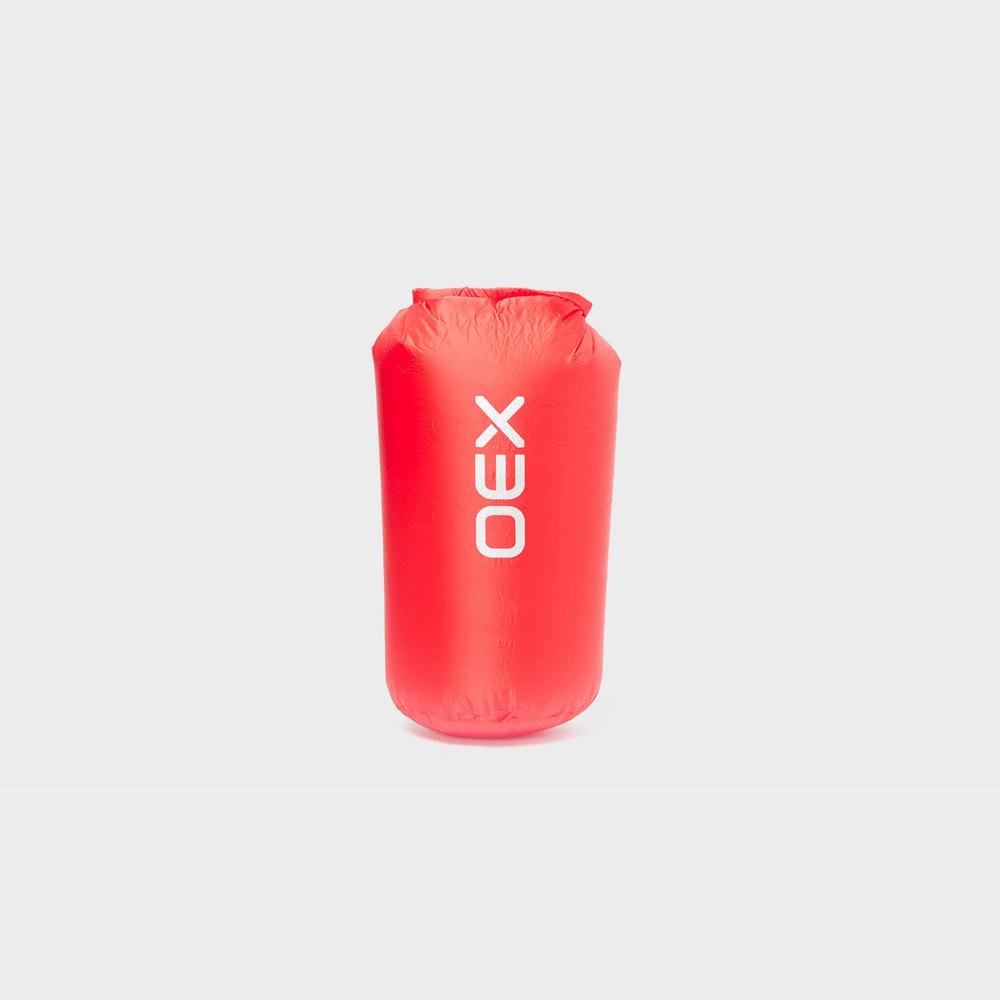
A no-nonsense 5L dry bag from OEX at one of the lowest prices going, ideal as a first liner for keeping spare layers or valuables dry in your daypack.
At around a tenner, the OEX Drysac 5 is one of the most affordable ways to add proper waterproofing to your rucksack. The 5L capacity is spot on for spare base layers, a compact fleece or a bundle of valuables you absolutely do not want getting wet. The simple roll-top design is easy to use, even if you are new to dry bags, and the bright finish makes it easy to spot in a dark tent or at the bottom of your pack. For casual weekends away and festival trips, it offers all the basic protection you are likely to need without feeling flimsy or throwaway.
As a basic dry bag, the Drysac 5 is unlikely to match the toughness or premium feel of more expensive, heavyweight models. The 5L capacity can also feel limiting if you try to cram in too many bulky items, so you may quickly find yourself wanting a second, larger bag. If you are hard on gear or planning regular paddling trips, something heavier duty might ultimately prove better value.
Ideal if you want to spend as little as possible and still protect a few key items on day walks, festivals or weekends away. It suits new campers building their first waterproofing setup and anyone who just wants a simple, reliable 5L bag without overthinking it. Keep it for essentials and add other sizes later if you find you need more capacity.

A bigger 10L version of OEX’s budget dry sack, giving extra space for clothes or food without straying far from the cheapest end of the market.
The OEX Drysack 10 gives you double the capacity of the 5L version for just a little extra cash, which is excellent value if you are packing for longer days out. Ten litres is a really versatile size, big enough to swallow a full change of clothes or a mid-layer and waterproofs together. The roll-top closure and simple sack shape make it easy to stuff and then slot into a medium-sized rucksack. For family trips or anyone who likes to keep most of their kit in a single protected bundle, it is a very cost-effective way to stay organised and dry.
The larger 10L size makes this bag bulkier in smaller daypacks, so it is not the most discreet option if you usually travel light. As with the 5L version, build and materials are geared towards value rather than expedition-grade abuse. If you are heading out frequently in very wet conditions, it could be worth stepping up to a more technical, but pricier, option.
Best for walkers and campers who want one cheap bag that can swallow most of their spare clothing in one go. It is a strong option for family day trips, mixed-weather car camping and as a main liner for smaller lightweight sleeping bags or jackets. Choose this if you prefer the simplicity of a single larger bag over juggling several tiny ones.

A colourful 5L Lifeventure dry sack that brings a trusted travel brand into budget territory, great if you want a bit more style without overspending.
Lifeventure’s Tropical 5L Dry Sack gives you a cheerful, travel-inspired design without a premium price tag. The 5L volume is ideal as a dedicated bag for electronics, travel documents and a warm layer, and it fits neatly into carry-on luggage or a daypack. Lifeventure has a strong reputation for sensible, travel-ready gear, so even this cheaper option benefits from that design experience. If you want waterproofing that feels a touch more refined and distinctive than a plain budget liner, this is a good way to get it without breaking the bank.
You will pay slightly more for the Lifeventure name and colourful design than for the very cheapest 5L bags. The tropical styling is a matter of taste too; if you prefer low-key gear, the bright graphics may not appeal. It is still a budget option, so do not expect it to be bombproof under constant, heavy use.
A good choice for travellers, festival-goers and casual campers who like their kit to have a bit of personality as well as purpose. It works well as a dedicated valuables and clothing bag inside a hand luggage-sized rucksack. Choose this if you want a recognisable brand with travel heritage, but still need to keep a close eye on costs.

A compact 2L ultralight dry bag from Lifeventure, perfect for keeping phones, wallets and small essentials dry while adding barely any weight.
The Lifeventure Ultralight 2L Dry Bag is all about shaving grams while still protecting your most precious items. At 2L it is just the right size for a phone, wallet, keys and a compact power bank, or for keeping a first-aid kit bone dry. The ultralight construction makes this especially appealing to hikers and bikepackers who want waterproof organisation but hate carrying dead weight. For the modest price, you are getting a very packable little bag that disappears into your kit until you need it.
The ultralight fabric inevitably trades away some long-term toughness, so this is not the right choice if you tend to throw packs on rough ground or cram sharp objects inside. The 2L volume is also very small, so you will almost certainly need other dry bags alongside it for clothing and bulkier kit. If you only want one all-purpose dry bag, a bigger size will be more forgiving.
Perfect for hikers, trail runners and bikepackers who just need a tiny, ultralight dry pocket for tech and essentials. It is also a handy add-on if you already own larger dry bags and want a separate, fully waterproof pouch for your most important items. Pick this if weight and packability matter more to you than maximum capacity.

A lightweight 5L Lifeventure dry bag that hits a sweet spot between capacity, low weight and affordable price for regular walkers and backpackers.
The Lifeventure Ultralight 5L Dry Bag scales up the same featherweight design into a truly useful all-round size. Five litres is enough for a set of spare clothes or insulating layers, giving backpackers and long-distance walkers a low-cost way to keep key items dry and neatly contained. The light fabric helps your pack weight stay sensible, and the slim profile tucks easily down the side of a rucksack or into bike panniers. For a small step up in price over the absolute cheapest options, you get a more refined, weight-conscious design that suits regular use.
Although still affordable, the Ultralight 5L does cost a little more than the absolute rock-bottom options, so you are partly paying for weight savings rather than sheer ruggedness. The lighter fabric demands more careful handling, particularly around sharp corners and hard edges. If you are mainly car camping and not walking far, a slightly heavier, tougher dry bag may make more sense.
Best suited to regular hillwalkers and backpackers who want a light, flexible 5L bag for spare clothing or insulation layers. It is also a smart upgrade for anyone who has tried cheaper, heavier liners and now wants to shed a bit of pack weight without spending a fortune. Choose it if you value a balance of low weight, usable size and sensible pricing.