Home » Cheapest DMM climbing protection worth buying in 2026
Good climbing protection does not have to blow your entire kit budget, especially if you stick with proven brands like DMM. For 2026 we have focused on the cheapest DMM options in the climbing protection range that are still reliable, confidence inspiring and practical on real routes.
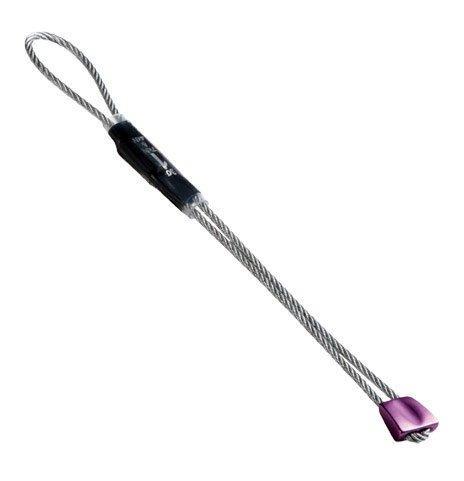
Here we concentrate on individual DMM Wallnuts, some of the most trusted passive protection pieces on UK rock. Buying them one at a time keeps costs down while you slowly build a full rack, and each size has its own sweet spot in terms of placements.
Every pick on this page is chosen for value within DMM’s line‑up rather than rock‑bottom price alone. There are always trade‑offs, but the aim is to highlight nuts that feel like smart, long‑term buys, not false economies.
These recommendations are based on the design, sizing and role of each DMM Wallnut within a wider trad rack, alongside pricing and how they sit in DMM’s overall protection range. We look at how each size contributes to real‑world security on typical UK rock, not just which one is cheapest on the day.
Rather than chasing the absolute lowest price, we focus on pieces that offer dependable performance and a sensible spread of sizes for everyday climbing. The idea is to help you stretch your money while still ending up with gear you are happy to keep using for years.
We also pay close attention to how these nuts complement each other. That way you can pick the ones that fit your current rack and ambitions, instead of buying gear that duplicates sizes or leaves frustrating gaps.
We started by looking at the lower‑priced end of DMM’s climbing protection, focusing on single Wallnuts that let you build a rack gradually without a large one‑off spend. From there, we picked out the core sizes that see the most use on typical UK trad routes and offer the best coverage for the least money.
Any obviously niche or overlapping sizes were pushed down the list in favour of versatile workhorses. We prioritised nuts that are likely to become regular go‑tos on your harness, rather than sitting unused because they rarely fit.
The final selection aims to cover a broad spread of placements, from thin cracks to more generous constrictions, while keeping every individual purchase comfortably in the budget category. These are the cheaper DMM pieces that still feel like smart investments as your climbing progresses.
Below you will find our favourite budget‑friendly DMM Wallnuts for 2026. Each one is a single nut at an accessible price, making it easy to expand your rack one piece at a time.
Some sizes are absolute essentials that will see constant use, while others are great value complements that round out your coverage for only a little extra. Pick the ones that best match the cracks you climb and how quickly you want your rack to grow.

A slim, lightweight nut for very narrow placements, ideal if you want cheap but reliable protection for thin cracks and seams.
Wallnut 1 gives you access to placements that larger nuts simply cannot touch, which can be a real confidence booster on more technical pitches. At this price it is a very low‑cost way to extend the range of your rack into tiny constrictions and thin seams. The classic Wallnut profile bites well in small cracks, and the lightweight design means you will barely notice it on your harness. For climbers starting to push into thinner, more technical lines, it can feel like a lifesaver despite the modest outlay.
Because it is so small, Wallnut 1 can feel fiddly to place, especially if you are new to trad climbing or wearing gloves. Tiny placements can also be more sensitive to rope movement and direction of pull, so it is not a cure‑all for safety. If your budget is tight and you mainly climb easier routes with bigger cracks, you may get more day‑to‑day value from starting with slightly larger sizes.
Wallnut 1 suits climbers who already have a basic rack and want to push into thinner, more technical cracks on a tight budget. It is a sensible buy for those regularly climbing on British quarried rock or compact faces where narrow seams are common. If you can only afford to add one truly small nut, and you are confident placing gear, this is a good way to extend your range.

A slightly larger nut that hits a very useful sweet spot for small cracks, offering dependable security without a big price tag.
Wallnut 2 builds on the tiny coverage of size 1 and moves into a more frequently used range, making it great value as one of your first small nuts. It still fits narrow cracks, but the slightly larger head gives more reassuring metal contact and often feels more solid on typical routes. As a budget purchase, it punches above its weight because it bridges the gap between micro placements and standard small nuts. If you are only buying a couple of tiny sizes to begin with, this one earns its keep quickly.
Although more forgiving than size 1, Wallnut 2 is still on the small end of the spectrum and may not see as much use on very easy, crack‑friendly routes. Its wire can kink more easily if you habitually fall on or yard out small nuts, so careful handling is important. If you mostly climb venues with larger cracks, you might prefer to prioritise mid‑range sizes first and come back for this later.
Wallnut 2 is ideal for trad climbers who want a reliable small nut that will see regular use without costing much. It makes sense if you are stepping up from very friendly crack lines to slightly more technical routes where small constrictions need protecting. If you already own a few mid‑range nuts and want a budget entry into the small‑gear world, this is a strong pick.

A versatile mid‑small Wallnut that sees a lot of real‑world use, giving excellent value when you are building a core rack slowly.
Wallnut 3 sits in a sweet spot where it will see a lot of action on many UK crags, which makes it one of the strongest value buys in the range. It is small enough for narrower cracks but big enough to feel really solid when seated well, so you get a good balance of security and versatility for the price. As part of a budget rack, it is the kind of nut that ends up being placed on most pitches, giving you a lot of real‑world protection for very little money. Its familiar Wallnut shape also makes it intuitive to place as your gear judgment improves.
Being a popular workhorse size means Wallnut 3 can end up as your go‑to for many placements, which can encourage laziness in looking for better options. In very wide cracks or very thin seams, it simply will not fit, so you still need complementary sizes. If you are extremely weight conscious, carrying several overlapping mid‑small sizes may feel slightly redundant compared with a leaner selection.
Wallnut 3 is a great choice for climbers who want maximum real‑world use from each budget purchase. It is well suited to those building their first proper rack for UK mountain or gritstone routes where mid‑small nuts are constantly in play. If you want to keep spending low but still feel well covered on a wide variety of pitches, this size should be high on your list.

A solid mid‑range size that slots into a wide variety of crack shapes, making it a smart budget addition for everyday trad.
Wallnut 4 moves you firmly into the mid‑range, where many bread‑and‑butter placements live, so it offers excellent value for general trad climbing. It is big enough to inspire confidence in more generous constrictions, yet still compact enough to slide into slightly narrower cracks when needed. For a modest price, you get a truly multipurpose piece that complements smaller sizes and helps avoid over‑reliance on cams. On a budget, adding this size quickly makes your rack feel more complete across a wide variety of routes.
As you move into the mid‑range, Wallnut 4 overlaps more with where small cams might eventually live, so some climbers will be tempted to skip to camming devices instead. In thin, technical cracks it will often be too large, so it should not be your only mid‑range option. If your budget only covers one or two nuts, you may find a slightly smaller size adds more versatility to a minimalist rack.
Wallnut 4 is perfect for all‑round trad climbers who want their cheap DMM buys to work hard on almost every outing. It is a strong option if you are starting to lead more varied grades and want a mid‑range size that inspires confidence in many placements. Choose this if you already own a couple of smaller nuts and now want an affordable, everyday workhorse to bridge into bigger gear.

A larger Wallnut that brings affordable protection to wider cracks and breaks, rounding out a starter set without breaking the bank.
Wallnut 5 gives you affordable coverage for wider cracks and chunky constrictions where smaller nuts would rattle. It delivers a reassuring amount of metal in contact with the rock, which many climbers appreciate when they are still building confidence. As a budget option, it is an easy way to extend your rack upwards in size without immediately jumping to expensive cams. Once on your harness, it tends to get used often on friendlier, more featured lines that suit bigger nuts.
Wallnut 5 is big enough that, on some routes, it may stay on your harness if crack sizes are mostly smaller or larger than its sweet spot. Compared with tiny sizes, it is a touch heavier and bulkier, which matters if you are counting grams. Many climbers eventually prefer cams at this width for speed of placement, so you might later relegate it to specific crags rather than every day use.
Wallnut 5 is ideal for climbers who frequent crags with friendlier cracks, breaks and horizontals where a larger nut sits beautifully. It is a smart budget pick if you want to delay buying a full set of cams but still feel protected in wider constrictions. If your rack currently tops out at mid‑range sizes, adding this gives you more options on easier, more featured routes without a big spend.