Home » Cheapest travel healthcare essentials worth packing in 2026
Staying healthy on the move does not have to be expensive. The right budget travel healthcare kit can handle blisters, minor cuts and everyday hygiene without filling your suitcase or emptying your wallet.
For 2026, we have picked out some of the cheapest travel healthcare options that still feel dependable. From pocket-sized first aid to spray-on plasters and everyday sanitiser, these are low-cost items that make a genuine difference on holiday, at festivals or on camping weekends.
Every product here has been chosen for value and usefulness, not just the lowest sticker price. You will see simple options that keep costs rock bottom alongside slightly pricier pieces that earn their place with better versatility or comfort.
These recommendations are based on what really matters when you are away from home: practicality, reliability and sensible pricing. We look at the core job each item needs to do, then weigh up brand reputation, design and real-world usefulness rather than just chasing the absolute lowest price.
We focus on products that strike a fair balance between cost and performance. That means compact first aid kits that still cover the basics, blister care that actually stays put, and hygiene products that are easy to pack and live with day to day. If a cheap option feels like a false economy, it does not make the cut.
The aim is to highlight affordable travel healthcare gear that you can throw in a rucksack or cabin bag and trust to work when you need it, whether you are off to a festival, a family campsite or a city break abroad.
We started by homing in on the lower-priced end of Go Outdoors’ travel healthcare range, focusing on essentials most travellers will actually use: first aid, plasters, blister care, sanitiser and face coverings. From there, we prioritised recognised brands and well-thought-out designs over no-name bargains that might let you down.
Any options that obviously skimped on usefulness, durability or packability were filtered out. A budget product still needs to be straightforward to use on the go, robust enough to live in a rucksack and appropriately sized for hand luggage or daypacks.
Within the short list that remained, we looked for a spread of roles. That includes ultra-compact first aid for light packers, targeted blister treatment for walkers, and larger-volume sanitiser that works out cheaper in the long run. The result is a small set of affordable choices that cover different types of trip and traveller, while keeping overall spend firmly under control.
Below you will find our top budget-friendly picks in travel healthcare for 2026. Every item earns its place by offering strong day-to-day usefulness at a price that is easy to justify, whether you are preparing for a once-a-year holiday or a busy season of camps and festivals.
Some of these are among the lowest-priced options in their niche, while others cost a touch more but give you extra comfort or capacity for only a small step up in spend. Pick the combination that best matches how you travel and how light you like to pack.

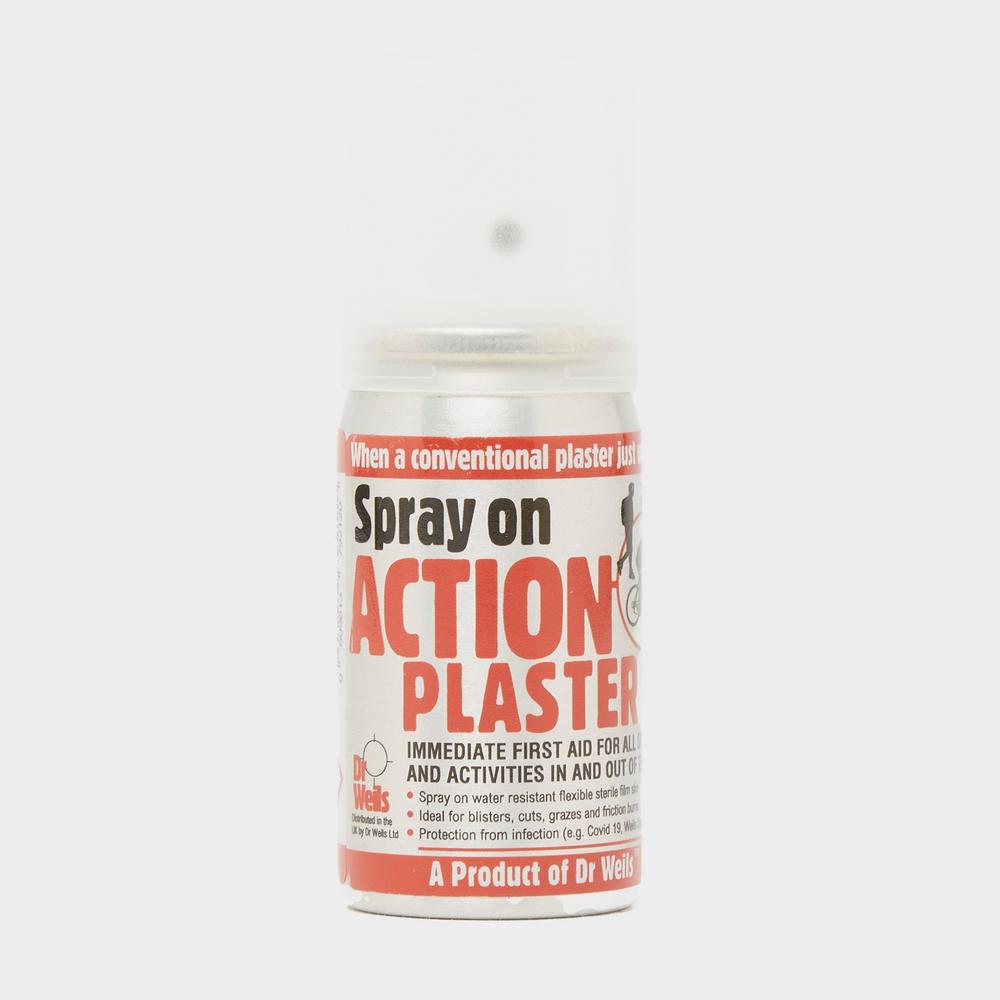
A handy spray-on plaster that offers quick, fuss-free protection for minor cuts and scrapes, ideal when you want to travel light and avoid bulky dressings.
This spray-on plaster is all about speed and simplicity, making it a great low-cost alternative to carrying a stack of dressings. It creates a protective layer directly over small cuts and grazes, so you are not trying to stick plasters to awkward areas when you are out and about. Because the bottle is compact and lightweight, it slides easily into a daypack, festival pouch or hand luggage. For the price, it offers a very tidy way to deal with the most common minor injuries you are likely to pick up on holiday or at the campsite.
As with any spray-on plaster, it is best suited to small, superficial wounds rather than anything more serious, so you should not rely on it as your only first aid solution. It may also require reapplication if the area is rubbed or exposed to water frequently. Those who prefer the reassurance of a physical dressing might still want a few traditional plasters alongside it.
This spray-on plaster is ideal for travellers who like to keep their first aid kit minimal and fuss-free. It suits festival-goers, city breakers and family campers who want quick, on-the-spot protection for nicks and scrapes without rummaging for the right size plaster. It is a good choice if you often find traditional plasters peeling off fingers, knuckles or awkward areas.

A compact and affordable micro first aid kit that covers the basics without taking up valuable space in your rucksack or cabin bag.
The Technicals Micro 1st Aid Kit keeps things simple and affordable, but still gives you the essentials you want for everyday travel. Its compact size means it fits neatly into a daypack pocket or glovebox, so you are more likely to actually carry it. For the low price you get an organised set of basic supplies, saving the cost and hassle of building your own from scratch. It is a strong value choice for anyone who wants a safety net on short trips without feeling like they are carting around a full medical kit.
Being a micro kit, it is deliberately limited in contents, so it will not cover more significant injuries or illness. You may quickly find you want to supplement it with extra pain relief, blister care or larger dressings for family trips or remote hikes. If you already own some supplies, building your own kit could offer more tailored coverage, albeit at a slightly higher overall cost.
The Technicals Micro 1st Aid Kit is best for solo travellers, couples and day walkers who want a lightweight safety net for everyday mishaps. It is particularly well suited to cabin baggage or small rucksacks where every bit of space counts. If you are on a tight budget but still want to feel prepared for minor injuries, this is a very easy win.

A 350ml bottle of liquid hand sanitiser that offers good value for frequent use on family trips, festivals or multi-day adventures.
Clearwater’s 350ml liquid hand sanitiser represents solid value if you are travelling as a couple or family, or simply want one bottle to leave in the car or tent. The larger volume works out cheaper per use than tiny travel bottles, yet it is still a sensible size to pack for a week away. Liquid sanitiser is easy to apply and ideal for shared use around camp, before meals or after using public facilities. For the relatively modest price, it gives a good balance between quantity, convenience and everyday reassurance.
At 350ml, this is not the lightest or most compact option for ultralight backpackers or those travelling with only the smallest cabin bags. You might want to decant it into smaller bottles to meet strict hand luggage liquid limits, which adds a small extra step. For very occasional travellers, a mini bottle might feel more convenient even if it is less economical.
Clearwater’s 350ml sanitiser bottle is a strong pick for families, group trips and regular campers who will use it often across a holiday. It suits drivers and campers who are less worried about every gram and more focused on having enough for everyone to share. If you are watching costs over a season of trips, the larger size offers good value per use.

A focused blister first aid kit designed to keep walkers’ feet comfortable on a budget, perfect for long days in boots or on the trail.
The Lifesystems Blister First Aid Kit is a smart budget buy for anyone expecting long days on their feet. It focuses specifically on hotspots and blisters, which are one of the quickest ways to ruin a hike or sightseeing day. Having dedicated blister dressings and padding ready to hand can save you from improvising with standard plasters that rarely stay put in boots. For the asking price, it is a compact, purpose-built solution that pairs nicely with a basic first aid kit to round out your footcare on the cheap.
Because it is focused solely on blisters, this kit does not replace a general first aid kit, so you will likely be carrying two small packs. The specialist contents can make it feel like an extra expense if you only walk short distances or wear very broken-in shoes. Heavy-duty thru-hikers might also prefer a larger range of tapes and dressings than a compact blister kit can provide.
The Lifesystems Blister First Aid Kit is ideal for hikers, festival-goers and city explorers who know they will be clocking up the miles. It is particularly useful if you are breaking in new boots or walking shoes and want to avoid painful hotspots. Pair it with a basic first aid kit and you will have a budget-friendly set-up that covers both feet and everyday mishaps.

A two-pack of reusable face coverings from Tilley, giving you a simple, budget-conscious way to stay prepared for crowded travel and public spaces.
This Tilley two-pack of face coverings is a good-value way to stay prepared without resorting to single-use masks. Being reusable, they can be washed between days and trips, which keeps ongoing costs low. Having two in a pack means you can rotate them or share one with a travel companion. For a modest price you get branded, travel-oriented coverings that are easy to stash in a jacket pocket or hand luggage, giving you a simple layer of comfort for busy public transport and indoor attractions.
Reusable fabric face coverings do not offer the same level of certified protection as properly fitted medical respirators, so they are best seen as a comfort and courtesy measure rather than serious PPE. You will need access to washing facilities to keep them fresh on longer trips. Fit and comfort preferences are also quite personal, so some travellers may prefer different shapes or adjustability.
The Tilley Face Coverings 2 Pack suits travellers who still like to carry a simple, reusable face covering for busy trains, planes and attractions. It is a sensible, low-cost extra for anyone moving between countries or settings where expectations can change. If you want a ready-to-go set that you can wash and reuse trip after trip, this is an easy option.