
If you’re moving beyond day sessions and into longer overnighters, a reliable one-man bivvy quickly becomes one of the most important bits of fishing kit you own. It’s your bedroom, gear store and bad-weather refuge rolled into one – so getting the right shelter for your style of angling is crucial.
Why a One-Man Bivvy Is Essential for Serious UK Anglers
A good fishing bivvy does far more than keep the rain off. It shapes how comfortably you can fish, how organised your kit stays, and how well you sleep through a windy, wet night on the bank. For many UK carp and specimen anglers, a one-man bivvy is the sweet spot between comfort and pack size.
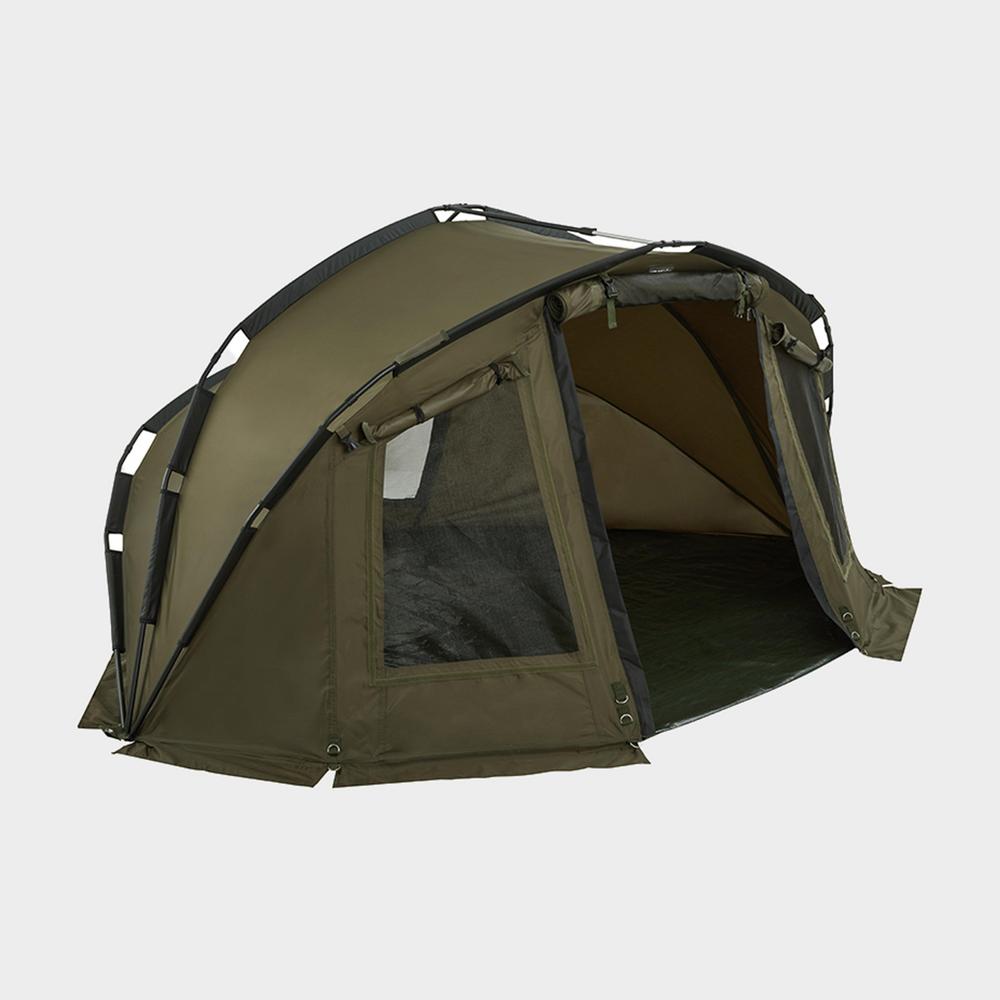
The Westlake Particle One-Man Bivvy is a great example of this do-it-all approach. With a stable tunnel construction, generous internal space and all-year design, it shows what to look for if you want a dependable shelter that won’t overwhelm your barrow. We’ll use it as a benchmark throughout this guide, and if you want more detail on how it performs on the bank you can always read our full review of the Westlake Particle One-Man Bivvy.
Key Features That Matter on a One-Man Bivvy
When you’re browsing bivvies, the spec sheets can quickly blur into one. To cut through the noise, focus on a handful of practical features that really affect your fishing.
Weather Protection and Fabric Rating
In the UK, rain resistance is non-negotiable. The Particle One-Man Bivvy has a 5000mm hydrostatic head, which is a solid level of waterproofing for three- and four-season use. At this rating, the fabric will comfortably shrug off persistent showers and heavy downpours when pitched correctly.
When comparing bivvies:
- Look for a clear hydrostatic head figure – 5000mm is a reliable baseline.
- Pay attention to seam sealing and how taut the fabric pitches.
- Consider an overwrap for extreme winter campaigns or very exposed venues.
Internal Space and Layout
On paper, many one-man bivvies look similar in size, but small changes in length or height can transform how liveable they feel. The Westlake Particle One-Man Bivvy measures 225cm (L) x 250cm (W) x 133cm (H), which is generous for a single-angler shelter.
Those dimensions allow space for a standard bedchair, a fishing chair if you prefer to sit separately, plus core tackle without feeling cramped. When comparing options, check whether you’ll be able to:
- Lie on your bedchair without your feet or head touching the bivvy wall.
- Sit up comfortably without rubbing your head on the roof.
- Store essentials like bags, bait and boots near the door for quick access.
Stability and Frame Design
Windy bankside conditions quickly highlight the difference between a sturdy bivvy and a flimsy shelter. The Particle One-Man uses three main poles and a single cross-bar, creating a tunnel-style frame that balances stability with quick pitching.
When comparing frames, look for:
- Multiple strong pole arcs rather than a single flimsy hoop.
- Cross-bars or tension bars that increase rigidity.
- Heavy-duty pegs and secure pegging points.
The Westlake also includes tension straps and tension bars, helping you achieve a neat, tight pitch that sheds water efficiently and resists gusts.
Doors, Windows and Ventilation
Good bivvy design balances protection with airflow. The Westlake Particle One-Man Bivvy features a large zipped front door with roll-away secure clasps, plus a large rear window and mozzie windows in the removable front panel.
These details matter because they help you:
- Control condensation by allowing air to flow front-to-back.
- Keep insects out while still letting light and breeze in.
- Adjust how enclosed or open the bivvy feels across seasons.
If you regularly fish muggy summer nights or still waters, decent vents and mesh panels will make a clear difference to comfort.
Groundsheet and Floor Protection
An internal groundsheet is included with the Particle One-Man Bivvy, which helps keep kit dry and reduces damp rising from the bankside. A separate groundsheet also makes cleaning easier – you can shake off mud and debris without soaking the main fabric.
It’s worth checking whether a bivvy’s groundsheet is removable and how robust it feels under a bedchair’s feet. Some anglers prefer to leave the groundsheet at home for ultralight summer trips, while others use it year-round for warmth and cleanliness.
Portability: Weight, Pack Size and Setup Time
If you’re pushing a barrow a long way or moving swims frequently, the practicality of your bivvy really matters. The Westlake Particle One-Man Bivvy weighs around 7.3kg and comes with a carry bag, putting it comfortably in the manageable range for a full-featured one-man shelter.
When choosing a bivvy, consider:
- Total weight: Anything around 7–10kg is typical for a robust one-man bivvy with poles, groundsheet and pegs.
- Pack shape: Long, slim bags are easier to strap to a barrow.
- Pitching system: Tunnels and pram-hood designs with fewer poles usually go up more quickly.
The Particle’s three-pole-and-cross-bar setup is simple enough that, with practice, you can get it erected and pegged down quickly in changing weather – ideal when you arrive at the lake just as the heavens open.
Is the Westlake Particle One-Man Bivvy a Good Year-Round Option?
Although not every bivvy is built for hardcore winter campaigns, the Particle One-Man is explicitly designed for all-year use. That doesn’t mean it generates warmth by itself, but its sturdy construction and weatherproof fabric create a solid base for a proper cold-weather sleep system.
For year-round fishing, think of your comfort as a combination of:
- The bivvy (protection from wind and precipitation).
- Your sleeping bag and bedchair (insulation and support).
- Your clothing (base layers and outerwear).
Get those elements right and a well-designed shelter like the Westlake Particle One-Man Bivvy can see you through everything from crisp winter mornings to humid summer overnighters. If you’re curious how it copes in specific conditions, you can read our in-depth Westlake Particle One-Man Bivvy review here.
Practical Setup Tips for a Better Night on the Bank
Even the best bivvy needs pitching properly if you want it to perform as intended. Keep these practical tips in mind when you next head out:
- Choose your swim wisely: If possible, avoid fully exposed headlands in extreme winds and look for a slight natural windbreak from trees or banks.
- Use the tension bars: On models like the Particle, tension bars and straps dramatically improve stability and reduce fabric flapping.
- Peg out systematically: Start with the main pegging points at the front and back, then work around the sides to get a neat, even pitch.
- Manage airflow: Use rear and side vents to reduce condensation while keeping the door partly closed in poor weather.
- Organise your interior: Store boots near the door on a mat and keep heavy bags close to the walls to free up central space.
Comparing One-Man Bivvies: How the Westlake Particle Fits In
When you line the Westlake Particle One-Man Bivvy up alongside other one-man shelters, a few strengths stand out:
- Stable tunnel construction: Three main poles and a cross-bar provide a secure, confidence-inspiring frame.
- Generous internal width: At 250cm wide, it offers plenty of space for a bedchair and gear.
- Practical real-world spec: 5000mm hydrostatic head, integrated groundsheet, vents and mozzie windows all tick important boxes.
- Manageable weight: 7.3kg is reasonable for an all-year, fully featured one-man shelter.
There are lighter, more minimalist bivvies out there that strip back features to save a kilo or two, and there are bulkier high-end shelters that push stability and comfort even further. The Westlake sits in that practical sweet spot that will suit a lot of UK anglers who want a solid, no-nonsense home on the bank without spending a fortune or lugging a huge shelter around.
Who Is the Westlake Particle One-Man Bivvy Best Suited For?
Based on its size and feature set, the Particle One-Man Bivvy is well matched to:
- Carp and specimen anglers doing regular overnighters and weekend sessions.
- Anglers new to bivvies who want an all-rounder that doesn’t feel too cramped.
- Those fishing varied venues where you may face anything from showers to gusty winds.
If you mostly fish fast day sessions or travel very light, you might prefer a brolly system or more minimalist shelter. But for anglers who want a dedicated bivvy that offers comfort, space and proper weather protection, the Westlake Particle One-Man is a strong template for what to look for.
Looking After Your Bivvy: Longevity and Value
A bivvy is a long-term investment, and a bit of basic care ensures it stays dependable for years. Whatever model you choose, try to follow these habits:
- Dry it fully: Never store your bivvy damp. If you have to pack it wet on the bank, pitch it in the garden or garage to dry as soon as you can.
- Clean gently: Use lukewarm water and a soft sponge; avoid harsh cleaners that can strip waterproof coatings.
- Check and replace pegs: Bent or damaged pegs reduce stability, especially in storms.
- Inspect seams and pole sleeves: Catch small tears early and repair them before they grow.
- Store loosely: Don’t compress the fabric for months on end; a loose, dry storage bag is ideal.
The Westlake Particle One-Man Bivvy ships with heavy-duty pegs, a carry bag and a dedicated groundsheet, which already nudges you towards good practice right out of the box.
Choosing the Right Bivvy for Your Fishing Style
Ultimately, the “best” one-man bivvy is the one that matches your fishing, not just the highest-spec shelter on paper. Before you buy, ask yourself:
- How often do I fish full overnighters or longer?
- Do I prioritise weight and fast setup, or internal space and comfort?
- How exposed and wet are my usual venues?
- Do I need all-year versatility, or mainly spring-to-autumn performance?
By using a well-balanced, practical design like the Westlake Particle One-Man Bivvy as a benchmark, you can quickly spot whether other shelters are cutting corners on size, frame strength or weather protection.
For a closer look at how this shelter performs in real-world conditions, including detailed thoughts after time on the bank, be sure to read our full review of the Westlake Particle One-Man Bivvy. It’s a great starting point if you’re narrowing down your options and want a dependable, all-round one-man bivvy for UK fishing.