
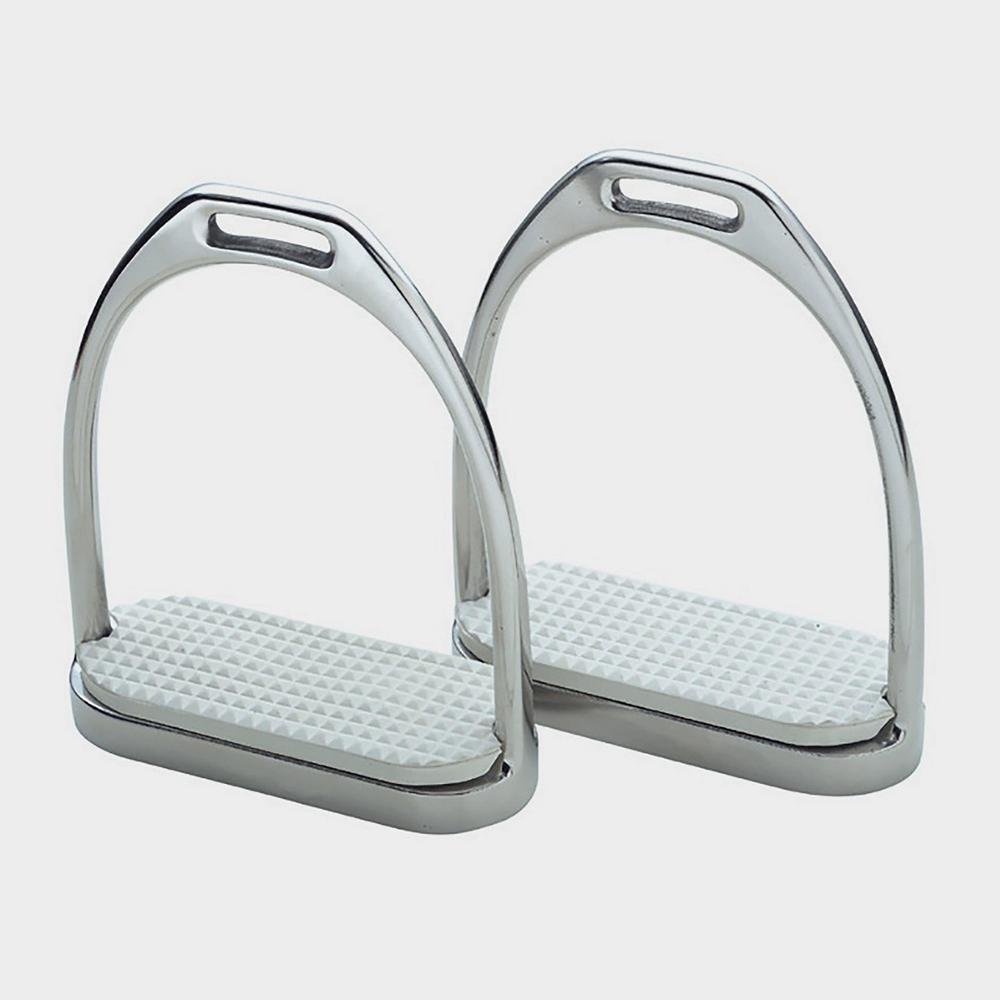
Good stirrup irons are one of those small pieces of kit that can quietly transform your riding. From balance and comfort to safety and style, the right pair helps you feel secure in the saddle and gives your horse a clearer, more consistent ride. Using the traditional Shires Fillis Stirrup Irons as our main example, this guide walks through how to choose, fit and look after your stirrups – and which other riding essentials are worth upgrading at the same time.
Why your stirrup irons matter more than you think
Stirrups do far more than simply give you somewhere to rest your feet. The weight, width and shape of your irons influence how your leg hangs, how easily you can keep your heel down and how quickly you can regain a stirrup if you lose one. For everyday schooling, hacking and even low-level competition, a traditional, well-balanced design can make riding feel calmer and more controlled.
The Shires Fillis Stirrup Irons are a classic example: stainless steel, triangle-shaped and slightly weighted at the base, with narrow sides and white treads. They are designed to help you maintain correct posture in a familiar, traditional format that suits most English riders. If you want a deeper dive into how they behave under saddle, you can read our full review of the Shires Fillis Stirrup Irons separately – here, we will focus on how to choose and use irons like these to best effect.
Understanding Fillis stirrup irons
Fillis stirrups have been a staple of English riding for decades. The Shires version keeps to that traditional format with a few rider-friendly touches.
- Stainless steel construction – built to be tough, resist rust and scrub up well for the show ring.
- Triangle shape with narrow sides – gives a defined platform for your foot while keeping the irons neat against the horse’s sides.
- Weighted base – helps the stirrups hang straight and makes them easier to pick up if you drop them.
- White treads – provide grip underfoot and offer that classic smart look.
- Comfortable fit – the overall geometry is aimed at everyday riding, rather than a highly specialised discipline.
These features are typical of many Fillis irons, which is why they are often recommended for riders learning to refine their position. The slight extra weight at the base helps keep the irons stable, so you are not fighting to find a swinging stirrup as you rise to the trot or adjust your seat.
Choosing the right size stirrup irons
Getting the correct width is essential for safety. A stirrup that is too narrow increases the risk of your foot getting trapped, while one that is overly wide can allow your foot to slide too far through.
How to measure your ideal width
- Put on the boots you normally ride in.
- Measure the widest part of your boot (usually across the ball of the foot).
- Add around 2–3 cm to that measurement.
The result is the minimum inner width of stirrup you should look for. For most adults, this will fall into the typical range offered by traditional irons like the Shires Fillis design.
Checking fit in the saddle
Once you have chosen a size, test them mounted:
- Place your boot in the stirrup with the ball of your foot resting on the tread.
- Check that you can see a small gap of about 1–1.5 cm on either side of the boot.
- Make sure you can easily slip your foot out without twisting or forcing it.
If it feels tight or awkward to move your foot freely, go up a size. Comfort and quick release are more important than aesthetics.
Weight, balance and posture: what to look for
One of the reasons traditional irons like the Shires Fillis model remain popular is their balance. The combination of stainless steel and a weighted base gives you enough heft for the irons to hang quietly by the horse’s sides.
This can support better posture in several ways:
- Stability at the trot and canter – a stable stirrup helps you concentrate on your seat, not chasing swinging irons.
- Consistent leg position – a reliable platform minimises the temptation to grip with your knees.
- Easier to recover – if you lose a stirrup, a weighted iron is easier to find again with your toe.
Lightweight or composite irons can feel very different. Some riders love the “barely there” sensation, but if you are working on your basics, the steadiness of a traditional Fillis can be reassuring. If you would like a closer look at how this plays out in real riding, you can always check our hands-on review of the Shires Fillis Stirrup Irons.
Treads, grip and comfort
The tread is your direct contact point with the stirrup, so it deserves attention. The Shires Fillis Stirrup Irons come with classic white treads that are designed to be grippy yet comfortable, particularly for schooling and everyday hacking.
What to consider in stirrup treads
- Grip – look for a pattern that gives your boot some purchase, especially if you ride in wet or muddy conditions.
- Comfort – very aggressive spikes can tire your feet on longer hacks; smoother treads may be more comfortable for general use.
- Maintenance – white rubber shows dirt but also alerts you when the tread is wearing thin or smoothing out.
Regardless of the brand, replace your treads if they become hard, cracked or noticeably smooth. Good grip is a quiet but important safety feature.
How stirrup irons fit into your overall tack setup
Upgrading your stirrups often goes hand in hand with improving other parts of your kit, both for you and your horse. A solid stirrup choice gives you a good foundation, but your lower leg also depends on the rest of your set-up.
Supporting your leg: jodhpurs, breeches and half chaps
Comfortable, well-fitted legwear lets you make the most of the support offered by your stirrups. If your clothing bunches, rubs or slips, your leg will not stay as still as you would like.
- Jodhpurs – options like the Wessex Ladies Jodhpurs Beige offer close-contact comfort and a smart, traditional look that pairs nicely with classic silver irons.
- Breeches – if you prefer a breech and boot combination, the Aubrion Women’s Thompson Knee Patch Breeches provide additional grip at the knee, helping you feel more secure above your stirrups.
- Half chaps – adding a good set of half chaps, such as the Moretta Adults Amara Half Chaps Black, can improve stability by giving your lower leg more consistent contact with the saddle.
When your clothing is working with you rather than against you, the triangle shape and narrow sides of traditional stirrups like the Shires Fillis model feel even more precise and predictable underfoot.
Protecting your horse’s legs
As you refine your position with better irons, you may also be increasing the intensity of your schooling. That is where protective boots for your horse become important.
Tendon boots are designed to shield the front tendons and provide support during jumping or more technical flatwork. A product like the Arma Tendon Boots can work alongside a classic stirrup set-up to keep your horse comfortable and protected when you introduce more demanding exercises.
Keeping your gear organised: storage matters too
A tidy tack room makes every ride smoother. When your kit is stored properly, your stainless steel stirrups stay cleaner and your other essentials last longer.
Rug storage is a prime example. Muddy turnouts and stable rugs quickly take over a corner if they are not contained. A dedicated option like the Shires Rug Storage Bag can help keep rugs dry, folded and ready for action, instead of spilling onto your clean tack and stirrup leathers. Keeping the worst of the stable dust and hair away from your saddle and irons cuts down on cleaning time before you ride.
Day-to-day care for stainless steel stirrup irons
Stainless steel is forgiving, but a little regular care keeps your irons safe, comfortable and smart.
After each ride
- Wipe off wet mud, sand and arena surface with a damp cloth.
- Check that no grit is wedged in the treads where it could reduce grip.
- Hang your stirrups so they can dry properly, rather than leaving them lying in damp bedding.
Weekly or fortnightly
- Slip off the white treads and rinse them to remove built-up grime.
- Inspect for any sharp edges, bends or cracks – anything that could damage leathers or pose a safety risk.
- Give the stainless steel a quick polish if you like a brighter shine for lessons or outings.
Traditional designs like the Shires Fillis Stirrup Irons are deliberately simple, with few moving parts to fail. With basic care, they can last for years of schooling and hacking.
Comparing alternative essentials for everyday riders
While this guide focuses on stirrup irons, it is often the combination of several well-chosen pieces that really lifts your riding experience. Here is how some of the related products mentioned above fit into a typical rider’s kit list.
- For your position: Pair classic stirrups with grippy, supportive legwear like the Aubrion Women’s Thompson Knee Patch Breeches or Wessex Ladies Jodhpurs Beige and a snug set of Moretta Adults Amara Half Chaps Black.
- For your horse’s comfort: Add Arma Tendon Boots to support and protect the legs as your schooling becomes more advanced.
- For your stable routine: Use the Shires Rug Storage Bag to keep rugs organised, helping your main tack – including your irons – stay cleaner for longer.
If you are starting from a basic set-up, it can be helpful to upgrade one area at a time. Many riders find that beginning with secure, well-sized stirrups like the Shires Fillis model gives them an immediate improvement in confidence, which they then complement with better clothing and leg protection.
Putting it all together
Choosing stirrup irons does not have to be complicated. Focus on the fundamentals: the correct width for your boots, a secure tread, and enough weight and balance to help your leg stay steady. Traditional stainless steel Fillis irons, such as the Shires Fillis Stirrup Irons, remain a dependable choice for everyday schooling, hacking and low-level competition because they quietly do their job without fuss.
From there, you can refine the rest of your kit – from tendon boots and storage bags to breeches and half chaps – to support your riding goals. When you are ready for a deeper, hands-on perspective, follow the links in this guide to explore the individual product reviews, starting with our detailed look at the Shires Fillis Stirrup Irons in everyday use.