
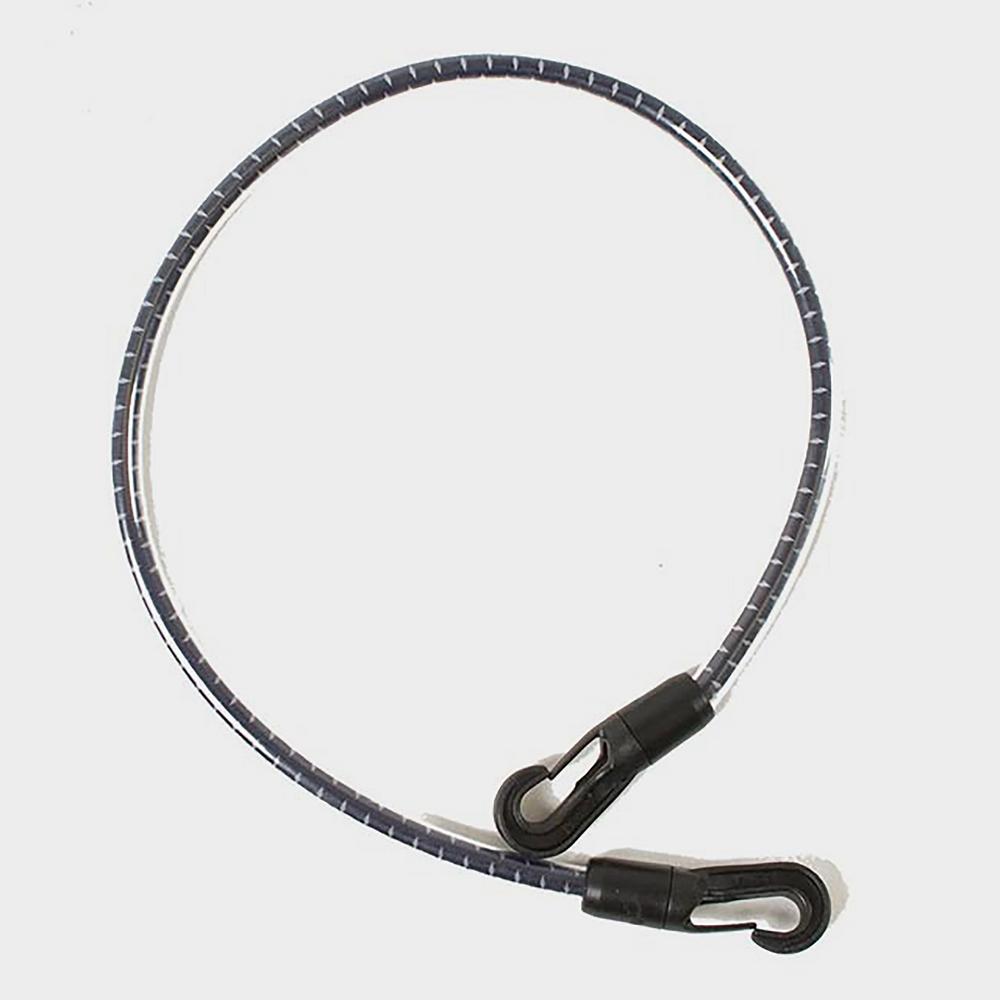
Used thoughtfully, elasticated bungee cords can be a simple, rider-friendly way to encourage a softer contact and a more consistent outline in everyday schooling. Whether you’re just starting to experiment with training aids or looking to fine-tune your flatwork, getting to grips with how, when and why to use a bungee will make your sessions more productive and kinder for your horse.
What is an elasticated bungee training aid?
An elasticated bungee is a lightweight cord that runs from the girth, through the bit rings and up to the saddle or over the poll, depending on its design. The Horseware Elasticated Bungee Cord is a classic example: a streamlined, no-fuss piece of kit designed to encourage your horse to work in a softer, more rounded frame without rigidly fixing the head and neck.
The elastic element is the key. Instead of offering a dead, fixed feel, the cord stretches when the horse moves, giving a gentle reminder when the head comes up and releasing when the horse relaxes into the contact. It’s this give-and-take that makes elasticated bungees especially popular with riders who want a forgiving aid that rewards the right response.
If you’d like a closer look at how this particular setup behaves in real schooling, you can read our full review of the Horseware Elasticated Bungee Cord alongside the guidance in this article.
When should you consider using a bungee?
Not every horse needs a training aid, and a bungee should never replace good flatwork and sympathetic riding. That said, there are some common situations where an elasticated bungee can be particularly helpful:
- Horses that habitually carry their head and neck very high, hollowing the back.
- Rides who are learning about steady, elastic contact and need a little extra consistency.
- Schooling sessions focused on rhythm, relaxation and transitions, rather than maximum collection.
- Riders working without a coach who want a light-touch reminder for both themselves and their horse.
The Horseware Elasticated Bungee Cord sits firmly in this camp: simple to fit, unobtrusive, and aimed at encouraging correct posture rather than forcing an outline. Used on the right horse, it can help reinforce what you’re asking for with your seat, legs and hands.
Choosing the right elasticated bungee for your horse
Although many bungees look similar, there are small differences that affect how they feel in use. When you’re comparing options like the Horseware Elasticated Bungee Cord and alternatives such as the Shires Elastic Bungee Reins, it’s worth thinking about the following points.
Elastic feel and level of support
Some bungees are very stretchy, giving a light reminder that suits sensitive or green horses. Others are firmer, offering more defined boundaries. The Horseware Elasticated Bungee Cord is designed as a straightforward, elasticated aid, so it’s likely to sit in that middle ground: enough pressure to be meaningful, but with plenty of give so your horse can move freely.
By contrast, products like the Shires Elastic Bungee Reins are often designed with slightly different attachment options and elastic strengths, which can appeal if you want to experiment with a particular feel. The choice here is less about brand loyalty and more about what best matches your horse’s way of going.
Adjustability and fit
Good adjustability is crucial. You need to be able to lengthen or shorten the bungee so that it only comes into play when your horse raises its head significantly above a working outline. While the Horseware model keeps things minimal, it still needs enough adjustment to accommodate different neck lengths and schooling stages.
When comparing with alternatives like the Shires Elastic Bungee Reins, pay attention to:
- The range of adjustment (is there enough room for a chunky cob and a finer type?).
- How easy it is to alter from the saddle (useful if you’re riding alone).
- Whether the fittings make sense with your usual tack setup.
Hardware and durability
The cord itself is only half the story. Clips, rings and stitching all take a lot of strain during everyday use. A bungee like the Horseware Elasticated Bungee Cord should feel solid in the hand, with smooth clips that are easy to use even with gloves on. A slightly higher initial outlay can work out cheaper long term if the elastic and hardware stand up to regular schooling.
How to fit an elasticated bungee safely
However good the design, a bungee is only as kind and effective as the way it’s fitted. Here’s a simple step-by-step approach that applies to the Horseware Elasticated Bungee Cord and similar products:
- Start with your usual tack. Saddle and bridle should already fit well, with the bit comfortable in your horse’s mouth.
- Attach to the girth. Most bungees clip to the girth between the horse’s legs or on the sides, depending on the design. Begin with the cord at its longest setting.
- Thread through the bit rings. Run the bungee through the bit from the inside to the outside on each side. Check that nothing is twisted and that the cord sits clear of the eyes and cheeks.
- Secure to the saddle or over the poll. Follow the manufacturer’s guidance for your bungee’s configuration, then gently take up any slack.
- Check the drape. At halt, your horse should be able to stand comfortably with a natural head carriage and a visible loop in the cord. If the bungee is already taut, lengthen it.
- Walk off and reassess. After a few minutes of walk and trot, hop off (or have a helper) to see how it looks when the horse is moving. Adjust in tiny increments if needed.
If you want to see how this looks in practice with a specific setup, you can explore our dedicated review of the Horseware Elasticated Bungee Cord for hands-on impressions and photos.
Schooling ideas with an elasticated bungee
Once the bungee is fitted, it’s tempting to dive straight into a busy schooling session, but you’ll get the best results by staying focused on basics.
Warm-up and first impressions
Begin every ride with a loose rein warm-up, allowing the horse to stretch without the bungee engaged (either unclipped or fitted on the longest setting). This helps you gauge your horse’s mood and loosen up muscles before any extra influences are introduced. Only when the horse is moving forward freely and listening should you allow the bungee to take effect.
Transitions and rhythm work
Elasticated bungees like the Horseware cord come into their own during frequent transitions. Think walk–trot, trot–walk, and trot–canter rather than complicated lateral work to start with. As you ride, concentrate on:
- Keeping your leg aids positive so the horse steps under and doesn’t just drop behind the contact.
- Allowing with your hands so the bungee, not your rein, offers the soft reminder.
- Rewarding any attempt at stretching forward and down, even if it’s brief.
Polework and basic grids
Once you’re both comfortable, adding poles or a simple grid can further encourage hind-end engagement. The elasticity of a bungee training aid tends to suit this sort of work better than rigid gadgets because the neck can still move, as long as the fit is on the loose side. Keep heights small, focus on rhythm and straightness, and avoid combining a tight bungee with bigger fences.
Comparing the Horseware Elasticated Bungee Cord with alternatives
In the world of horse riding equipment, small differences in design can have a big effect on how your horse feels. While the Horseware Elasticated Bungee Cord is a straightforward, do-the-job piece of kit, you may also be considering rivals like the Shires Elastic Bungee Reins.
Horseware Elasticated Bungee Cord: a simple, versatile choice
This Horseware bungee is all about stripped-back practicality. With a compact design and a focus on core function rather than elaborate adjustments, it appeals to riders who want a reliable, grab-and-go training aid. It’s well suited to:
- Riders schooling a range of horses who need a general-purpose bungee.
- Everyday flatwork sessions where softness and consistency are the main goals.
- Horses that respond well to clear, elastic boundaries rather than a fixed frame.
Shires Elastic Bungee Reins: another option to consider
The Shires Elastic Bungee Reins sit in a similar space, offering an elasticated training aid at an accessible price point. While the basic function is comparable, the exact arrangement of cords and clips may suit some riders and horses better than others. If you prefer a slightly different feel or want the option to set the bungee up in alternative configurations, this Shires option is worth a look.
Both products aim to do the same job: encourage a relaxed, consistent outline with a forgiving level of support. Your choice will likely come down to personal preference on design details, how the hardware interfaces with your tack, and how your horse responds to the different elastic feel. Reading experiences from other riders in our Shires Elastic Bungee Reins review can help you decide which might be the better fit.
Care, maintenance and longevity
However robust an elasticated bungee looks, sweat and dirt can quickly shorten its lifespan if you ignore basic care. To keep a Horseware bungee – or any similar cord – working well for longer:
- Wipe it down after rides. A quick wipe with a damp cloth removes sweat and arena dust that can degrade elastic over time.
- Dry it naturally. Avoid putting it directly on radiators or in hot airing cupboards; gentle air drying is kinder to the fibres.
- Inspect hardware regularly. Check clips, rings and stitching for signs of wear or sharp edges that could rub your horse or tear the cord.
- Store sensibly. Coil loosely or hang it straight in a cool, dry tack room rather than stuffing it into the bottom of a grooming kit.
These simple habits not only make your bungee last longer but also keep it safer to use, reducing the risk of sudden failures while you’re riding or lunging.
Safety tips and common mistakes to avoid
Training aids always carry a degree of responsibility. To make the most of an elasticated bungee while keeping your horse comfortable, keep the following in mind:
- Don’t use it to mask pain. If your horse is hollowing, resisting or tossing its head, rule out saddle, teeth or veterinary issues before reaching for a gadget.
- Avoid over-tightening. A bungee should encourage, not restrain. If your horse can’t stretch forward and down without feeling trapped, it’s doing more harm than good.
- Introduce it gradually. Start with short sessions and build up as your horse’s muscles and understanding develop.
- Seek experienced eyes on the ground. Especially for your first few rides, a coach or knowledgeable friend can spot subtle signs of discomfort or tension that you might miss in the saddle.
- Match it to the work. You don’t need a bungee for every hack or jumping session. Reserve it for targeted schooling where its benefits will be clearest.
Is an elasticated bungee right for you and your horse?
Elasticated bungees like the Horseware Elasticated Bungee Cord and the Shires Elastic Bungee Reins are popular because they sit in a sweet spot between simplicity, kindness and effectiveness. They’re easy to fit, relatively gentle compared to more rigid gadgets, and can give both horse and rider helpful guidance during schooling.
The key is to think of a bungee as a supporting tool, not a shortcut. If you’re prepared to introduce it gradually, keep it fitted on the forgiving side and use it alongside good basic training, it can be a valuable addition to your tack room. To help you decide which design might suit you best, take a look at our hands-on impressions in the Horseware Elasticated Bungee Cord review and compare them with our thoughts on the Shires Elastic Bungee Reins. Exploring real-world feedback will give you the confidence to choose – and use – the right elasticated bungee for your schooling goals.