
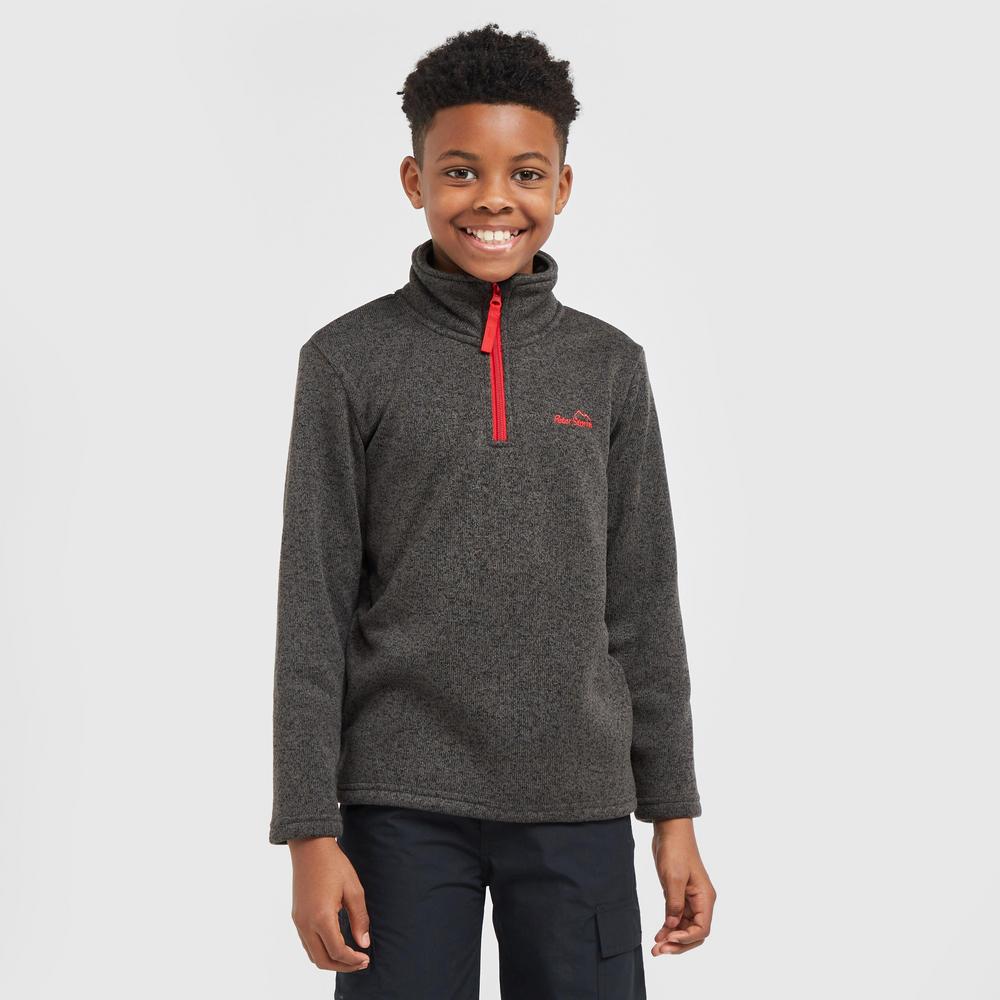
Keeping kids warm and comfortable outdoors is a constant balancing act. You want layers that are cosy, practical and tough enough to survive climbing frames, muddy fields and endless school runs. A good fleece sits at the heart of that system, and pieces like the Peter Storm Kids’ Koala Fleece make a strong case for becoming your child’s go-to layer.
Why a kids’ fleece is an outdoor essential
Children feel the cold quickly when they stop moving, whether that’s watching a match from the sidelines or pausing for a snack on a walk. A lightweight fleece offers instant warmth without weighing them down. It traps heat effectively, dries quickly if it gets a bit damp, and layers easily over T-shirts and under waterproofs.
Unlike bulky coats, fleeces are the kind of piece kids actually enjoy wearing. They’re soft, easy to move in and, if you choose well, comfortable enough to keep on all day at school or at home. That makes them an ideal base for building a simple, reliable outdoor wardrobe.
Meet the Peter Storm Kids’ Koala Fleece
The Peter Storm Kids’ Koala Fleece is a classic example of a no-fuss, wear-everywhere mid-layer. It’s made from a 100% polyester textured knit in a smart navy colour, which strikes a nice balance between casual and presentable. The design is all about comfort around the neck and chin, with a soft polyester tricot chin guard, an inner zip guard and a snug funnel neck that gives the upper half a gentle “bear hug” of warmth.
If you want a deeper dive into how it performs in real-world use, you can always read our full review of the Peter Storm Kids’ Koala Fleece. Here, we’ll focus on where it fits into your child’s wardrobe, and how it compares with a couple of useful alternatives.
Key features that matter for kids
When you’re choosing a children’s fleece, it’s easy to be distracted by patterns or characters. Those might win you points at bedtime, but the features that really count are often less obvious. The Peter Storm Kids’ Koala Fleece picks out a few of these essentials.
Soft feel around the neck and chin
Chafing zips and scratchy seams are one of the quickest ways to make kids refuse a layer. The Koala Fleece includes:
- A chin guard made from 100% polyester tricot to soften contact against the skin.
- An inner zip guard, adding another barrier between the zip and the body.
- A funnel neck, which holds warmth in and removes the need for a separate scarf on milder days.
For younger children especially, those touches can mean the difference between a fleece they happily pull on and one that lives at the back of the wardrobe.
Warm, breathable fabric
The 100% polyester textured knit fabric is designed to trap warmth without becoming too heavy. Polyester fleece is a tried-and-tested option for kids: it dries fast after rain or spilled drinks and copes well with frequent washing. The textured knit gives a slightly more modern look than old-school fluffy fleece, while still feeling soft to the touch.
Simple, versatile style
Navy is one of the easiest colours to live with in a child’s wardrobe. It hides dirt reasonably well, goes with school uniforms and weekend clothes alike, and looks tidy enough for family meals or trips out. The understated design of the Kids’ Koala Fleece means it works as a daily layer rather than being reserved for special occasions, which is exactly what you want from a hardworking fleece.
How to layer the Peter Storm Kids’ Koala Fleece
To get the best out of a fleece, it helps to think in terms of layers rather than single items. The Peter Storm Kids’ Koala Fleece is at its best as a mid-layer, but it also does good service as a standalone top in milder weather.
Everyday wear and school runs
On cool but dry days, your child can happily wear the Koala Fleece over a long-sleeve T-shirt or thin base layer. The funnel neck keeps the chill off, while the soft chin guard stops the zip from rubbing if they’re done up to the top. It’s a great throw-on option for the school run, after-school clubs or playing in the park.
Layering for colder adventures
For proper outdoor days, such as autumn walks or camping trips, treat the Kids’ Koala Fleece as the warm heart of a three-layer system:
- Base layer: A breathable long-sleeve top or thermal to wick moisture away from the skin.
- Mid-layer: The Koala Fleece, providing most of the insulation.
- Outer layer: A windproof or waterproof jacket to block rain and wind.
This combination keeps kids warm and dry without resorting to bulky coats that restrict movement. If they heat up, the full-length zip makes it easy to vent or remove the fleece without completely stripping off.
When you’ll want more protection than a fleece
Fleeces shine in the cold and dry, or in light drizzle, but there are times when you’ll want something more weatherproof. That’s where alternatives like the Dare 2B Kids’ in the Lead II Jacket and the Regatta Kids’ Calderdale II Waterproof Jacket come into play.
Wind and rain: bring in a waterproof layer
If the forecast looks wet or very windy, a waterproof jacket is the natural partner to the Peter Storm Kids’ Koala Fleece. The fleece handles the warmth, while the jacket takes care of the rain and gusts. For example, the Regatta Kids’ Calderdale II Waterproof Jacket is built around staying dry, with a design geared towards foul-weather protection rather than pure softness.
Pairing a waterproof like the Calderdale II with the Koala Fleece underneath gives you a flexible outfit: unzip or remove layers as the day warms up, without compromising on protection when the clouds roll in.
Sporty days and active play
On days when your child is constantly on the move – cycling, running around a sports field or racing around the playground – a lighter, more athletic outer layer can work better than a standard fleece. The Dare 2B Kids’ in the Lead II Jacket is a good example of a more technical option designed with activity in mind.
It leans into a sportier style and typically prioritises weather protection and freedom of movement. In slightly milder conditions, your child might wear it over a T-shirt alone. In cooler weather, you can still team it with a mid-layer fleece like the Koala to boost warmth, then strip back as they warm up mid-game.
Comparing the Koala Fleece with alternative layers
Choosing the right piece often comes down to which conditions your child spends most time in. Here’s how the Peter Storm Kids’ Koala Fleece stacks up against the two alternative jackets mentioned above.
Peter Storm Kids’ Koala Fleece vs Dare 2B Kids’ in the Lead II Jacket
- Warmth vs activity: The Koala Fleece focuses on soft, consistent warmth and comfort. The Dare 2B in the Lead II is built more like an active outer layer for sports and high-energy play.
- Everyday wear: The Koala’s navy fleece design is ideal for day-to-day use, including school and casual outings. The Dare 2B jacket tends to suit after-school activities, training or more focused outdoor sessions.
- Layering role: The Koala is primarily a mid-layer, while the Dare 2B jacket often acts as an outer shell in its own right.
If your priority is an all-day cosy layer that kids will wear happily indoors and out, the fleece has the edge. For children who live on the sports field, the Dare 2B jacket may be a better top layer, with a fleece like the Koala underneath on colder days.
Peter Storm Kids’ Koala Fleece vs Regatta Kids’ Calderdale II Waterproof Jacket
- Weather protection: The Regatta Calderdale II is a true waterproof jacket, designed to keep rain out. The Koala Fleece is not waterproof; it provides warmth and comfort, but needs a shell over the top in heavy weather.
- Comfort next to skin: The Koala’s textured knit fleece fabric and chin guard are made to feel cosy against the body. The Calderdale II is more about durable, water-shedding fabrics, usually worn over other layers.
- Use cases: Reach for the Koala Fleece when it’s cool and dry, or as an indoor/outdoor comfort layer. Opt for the Calderdale II when the forecast is wet or changeable and you need a reliable rain barrier.
Most families will benefit from having both types in the cupboard: a dependable fleece and a go-to waterproof. You can learn more about how the waterproof performs in practice in our detailed look at the Regatta Kids’ Calderdale II Jacket.
Getting the right size for your child
Buying kids’ outerwear always raises the question of growing room. With fleeces, you want to strike a balance between longevity and comfort.
- Check sleeve and body length: Sleeves should come to the wrist without bunching, and the hem should cover the waistband of trousers, ideally dipping slightly at the back.
- Allow for layering: Make sure there’s enough room to wear a long-sleeve top underneath without the fleece feeling tight across the shoulders or chest.
- Avoid being too generous: Oversized fleeces can let cold air in at the neck and cuffs, and can snag on playground equipment more easily.
If you’re between sizes for the Peter Storm Kids’ Koala Fleece, consider how and when your child will use it most. For regular school use right now, a truer fit often makes sense. For occasional trips or if you’re buying ahead for next season, a slightly larger size can be sensible, provided it still feels safe and comfortable.
Caring for a kids’ fleece so it lasts longer
One of the advantages of polyester fleeces like the Koala is how easy they are to look after. A little care, though, helps them stay soft and keep their shape.
- Wash cool: Use a gentle cycle with a mild detergent, and avoid fabric softeners which can reduce the fabric’s performance.
- Zip up first: Close the main zip and turn the fleece inside out before washing to minimise abrasion.
- Air-dry: Fleece dries quickly on a clothes horse or line. High tumble-dryer heat can flatten the fibres over time, reducing insulation.
- Store loosely: Avoid cramming fleeces into bags or under piles of clothes for long periods to help them keep their loft.
With these simple steps, a fleece like the Peter Storm Kids’ Koala Fleece can survive regular mud, spills and adventures and still come out looking presentable.
Building a simple kids’ layering system
Rather than hunting for a single “perfect” jacket, it’s often better to build a small, flexible system of layers your child can mix and match. A straightforward setup might look like this:
- Base layers: A couple of long-sleeve tops or thermals.
- Fleece mid-layer: A cosy option such as the Peter Storm Kids’ Koala Fleece as the main insulation piece.
- Waterproof outer: A reliable rain jacket like the Regatta Kids’ Calderdale II Waterproof Jacket.
- Active outer: A lighter, sportier piece like the Dare 2B Kids’ in the Lead II Jacket for clubs and training.
With this small combination, you can dress for everything from chilly school mornings to soggy Sunday walks. The Koala Fleece sits neatly in the middle of that system, acting as the versatile, comfortable layer your child reaches for most.
If you’d like a closer look at how the Peter Storm Kids’ Koala Fleece feels and behaves on real days out, you can read our full hands-on review of the Koala Fleece here before deciding.
Whichever combination you choose, setting your child up with a reliable fleece and a couple of good outer layers makes it far easier to say “yes” to impromptu adventures. Explore the linked reviews to see which pieces best match your child’s routines, and you’ll have a simple, dependable kit that keeps them warm, dry and ready to play all year round.