
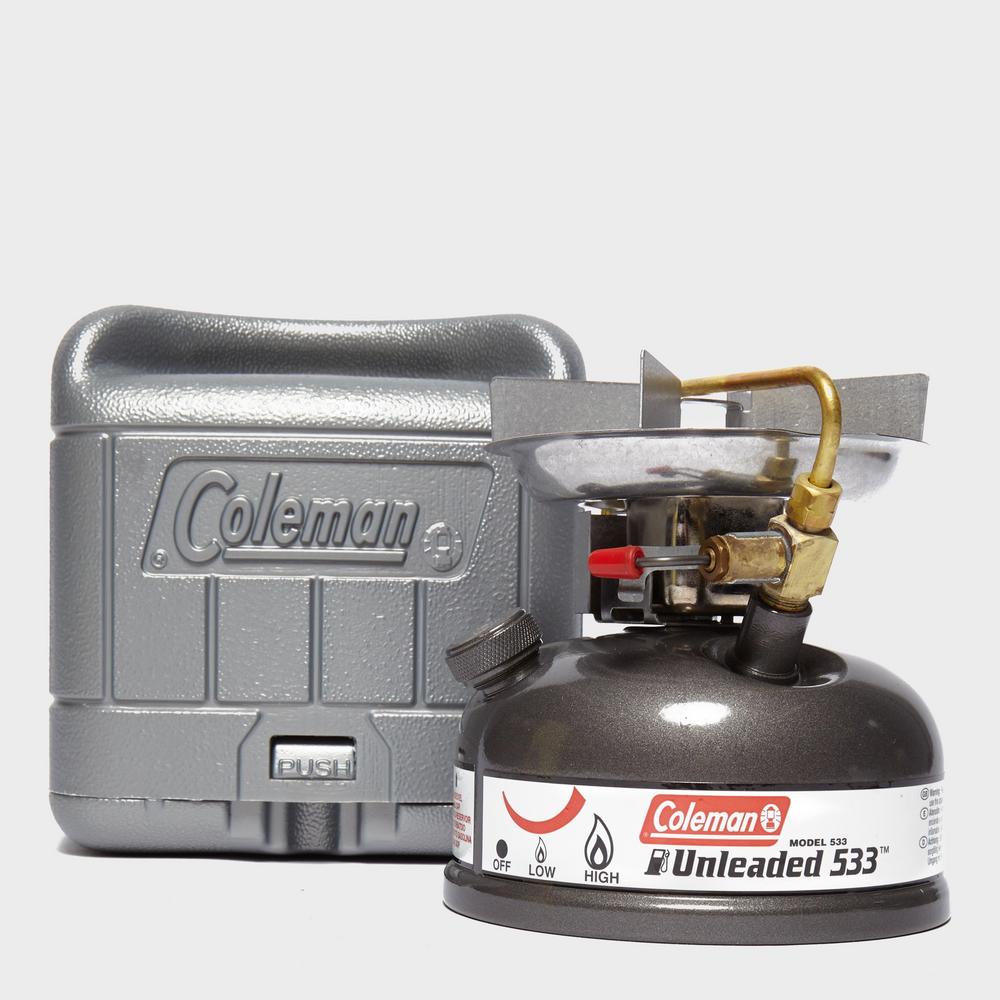
If you enjoy wild camps, long road trips or simply want a reliable way to brew up when the power goes out, choosing the right camping stove makes a huge difference to how relaxed your trips feel. The COLEMAN Sportster 2 Camping Stove is a classic liquid-fuel design that promises dependable hot meals almost anywhere, from frosty valleys to summer campsites.
Why the Coleman Sportster 2 stands out for UK campers
The Coleman Sportster 2 is built as an efficient, robust stove that can handle a broad range of conditions. Rather than relying on gas canisters, it’s a dual-fuel stove that runs on Coleman Fuel or standard unleaded petrol. For UK users, that combination of flexibility and cold-weather performance is a big part of the appeal.
Because it’s self-contained with its own fuel tank, you don’t have to juggle separate canisters and burners. That makes it especially handy for people who camp in mixed conditions or travel by car, motorbike or canoe, where a slightly heavier but rugged stove is no bad thing.
If you want to dive into detailed performance data, simmer tests and long-term durability notes, you can read our full review of the Coleman Sportster 2 Camping Stove. Here, we’ll focus on how it fits into the wider world of camping stoves and how to get the best from this style of cooker.
Understanding dual-fuel stoves: what you’re really buying
Most campers in the UK start with gas canister stoves. They’re quick, clean and easy. Dual-fuel stoves like the Sportster 2 take a different approach by burning liquid fuel that’s pressurised and vapourised before combustion.
Key benefits of dual-fuel designs
- Fuel flexibility: You can use Coleman Fuel or unleaded petrol, so you’re far less tied to outdoor shops or specific canisters.
- Cold-weather reliability: Liquid fuel generally performs better in low temperatures than many standard gas mixes, which can lose pressure in the cold.
- Long run times: The Sportster 2 can run on full power for over 8 hours, which is huge for a compact package.
- Good flame control: Dual-fuel stoves often offer fine control from a gentle simmer to a roaring boil.
That said, dual-fuel stoves do require a little more familiarity. You’ll be pressurising the tank, lighting the stove carefully and sometimes allowing a short priming phase. Once you’ve done it a couple of times it becomes second nature, but it’s not quite as plug-and-play as screwing a burner onto a gas canister.
Core features of the Coleman Sportster 2
The Sportster 2 keeps things surprisingly compact while still feeling like a serious bit of kit. The stove measures roughly 15 by 12cm and weighs around 1,000g. It isn’t an ultralight backpacking burner, but it’s very packable for a self-contained liquid-fuel stove.
Designed for stability and real cooking
- Low profile: The low stance and broad base make it stable under a range of pans, reducing the likelihood of wobbles and spills.
- Windblock pot support: The pot supports double as a basic windshield, helping maintain heat and fuel efficiency in breezy conditions.
- Full flame control: The Sportster 2 is designed to go from simmer to high output, which matters if you like more than boil-in-the-bag meals.
Coleman quotes a boil time of just under five minutes. That’s a shade slower than some high-output gas stoves, but you’re trading a minute or so for stability, fuel flexibility and long run times, which many people find well worth it.
Who the Coleman Sportster 2 is best suited to
Thinking about whether this is the right stove for you is less about hard specs and more about the way you camp. The Sportster 2 is particularly well suited to campers who:
- Take regular trips where camping-specific fuel might be hard to find.
- Want a stove that performs in colder, shoulder-season or winter conditions.
- Prefer a sturdy, self-contained setup rather than a tiny burner and separate canister.
- Value long run times for extended basecamps or emergencies at home.
By contrast, if your main use is short summer trips on established campsites with easy access to gas, you might be happier with a lighter canister stove. Dual-fuel really shines when conditions get challenging or logistics get complicated.
For more detailed impressions over multiple seasons of use, including how the simmer control fares with delicate meals, you can check our in-depth hands-on review of the Sportster 2.
Using a dual-fuel stove confidently and safely
Liquid-fuel stoves reward a bit of respect. By following some simple guidelines, you’ll enjoy reliable performance without drama.
Fuel handling and storage tips
- Always refill the stove outdoors and away from tents or ignition sources.
- Wipe up drips immediately and avoid getting fuel on clothing.
- Store fuel bottles upright and clearly labelled, separate from food and cooking gear.
- Use fresh unleaded where possible, and avoid old fuel that may leave more deposits.
Lighting and cooking best practice
- Set the stove on a flat, non-flammable surface before lighting.
- Shelter it from wind with a safe windshield, allowing adequate ventilation.
- Keep pots centred over the windblock pot support for maximum stability.
- Never leave a lit stove unattended, especially around children or pets.
As with all stoves, avoid using it inside a tent or enclosed shelter because of fire and carbon monoxide risks. If you need some protection from the elements, cook just outside the porch with plenty of airflow and the stove positioned clear of any fabric or guy lines.
Packability, weight and choosing the right stove type
Around 1kg is a noticeable chunk of your kit list, but remember that the Sportster 2 includes its own integrated fuel tank and a rugged metal body that’s built to last. If you mainly camp from the car, motorbike or canoe, that weight becomes very manageable.
When a heavier dual-fuel stove makes sense
- You’re running a basecamp for group activities and want long run times without constant refuelling.
- You often camp abroad or in remote UK spots where fuel availability is uncertain.
- You treat your stove as emergency kit at home, so durability and fuel flexibility matter more than minimal weight.
On the other hand, ultralight backpackers and fastpackers usually lean towards tiny gas stoves and titanium cookware. In those scenarios, shaving hundreds of grams from your pack can matter more than the advantages of liquid fuel.
Looking beyond the hero: comparing alternatives
While the COLEMAN Sportster 2 Camping Stove is a strong all-rounder for UK camping and overseas trips, it exists in a wider ecosystem of stoves. Alternatives tend to fall into three broad camps: lightweight gas stoves, larger multi-burner camp kitchens, and other liquid-fuel designs.
How the Sportster 2 compares conceptually
- Versus gas canister stoves: The Sportster 2 is heavier and slightly slower to boil but wins on fuel availability and cold-weather reliability.
- Versus big family camp stoves: It’s more compact and portable, ideal for 1–2 people, but lacks the multiple burners and huge cooking surfaces of a full camp kitchen.
- Versus other liquid-fuel stoves: Many liquid-fuel models require a separate bottle and hose; the Sportster’s integrated tank gives a simpler, self-contained package at the cost of a bit of extra bulk.
Because the stove market changes regularly, it’s worth thinking in terms of what you need – fuel type, capacity, weight and pack size – rather than chasing one specific model. The Sportster 2 sits in a sweet spot for people who camp in variable conditions and don’t mind a small learning curve to gain that flexibility.
Care, cleaning and long-term reliability
A major advantage of metal-bodied liquid-fuel stoves is their potential longevity. With some basic care, the Coleman Sportster 2 can be a long-term companion rather than a consumable gadget.
Simple maintenance routine
- Let the stove cool fully before packing it away to prevent condensation and warping.
- Occasionally check the burner head and pot supports for soot or residue and brush them clean.
- Inspect seals, valves and any moving parts at the start of each season.
- If you’ve used a lot of unleaded petrol, consider running the stove briefly on cleaner fuel to help reduce deposits.
Store the stove somewhere dry between trips. If it has been used in wet or coastal environments, make sure it’s thoroughly dry before long-term storage to minimise corrosion.
Planning meals around a single-burner stove
One of the subtle skills with any compact camping stove is learning to cook efficiently on a single burner. The Sportster 2’s good flame control from simmer to high helps a lot here.
Practical tips for better camp cooking
- Choose one-pot recipes that combine carbs, protein and veg in a single pan.
- Use quick-cook ingredients like pre-cooked rice, couscous or noodles to reduce fuel use.
- Bring a lightweight lid for your pot to speed up boil times and protect against wind.
- Plan meals that work with the stove’s strengths – steady simmering and long run times – such as stews, curries and slow pasta sauces.
Boiling water for hot drinks and dehydrated meals is where many stoves spend most of their time. With the Sportster 2’s quoted run time of over eight hours on full power, you can make a surprising number of brews before refuelling becomes an issue.
Is the Coleman Sportster 2 good value?
Value isn’t just about headline price; it’s about cost over years of use, versatility and the type of camping it unlocks. The Sportster 2 offers a durable metal build, dual-fuel capability and strong cold-weather performance. Those qualities make it more of an investment piece than a disposable gadget.
If you only camp once or twice a year in warm weather on serviced campsites, a simpler gas stove may be enough. But if your trips are becoming more adventurous, or you like the idea of a reliable emergency stove at home, the long run time and versatile fuel options add real value.
Final thoughts
The COLEMAN Sportster 2 Camping Stove is an appealing choice for campers who want reliability, fuel flexibility and a stable platform for real cooking rather than just minimal boiling power. It’s compact for a liquid-fuel stove, offers strong flame control and is designed to keep working in a range of weather conditions.
If you’re curious about how it performs in wind, over longer trips or with different fuels, make sure you explore our full hands-on review of the Coleman Sportster 2. Armed with a better understanding of dual-fuel stoves and how they compare to gas options, you’ll be well placed to choose the right cooker for your next adventure.