
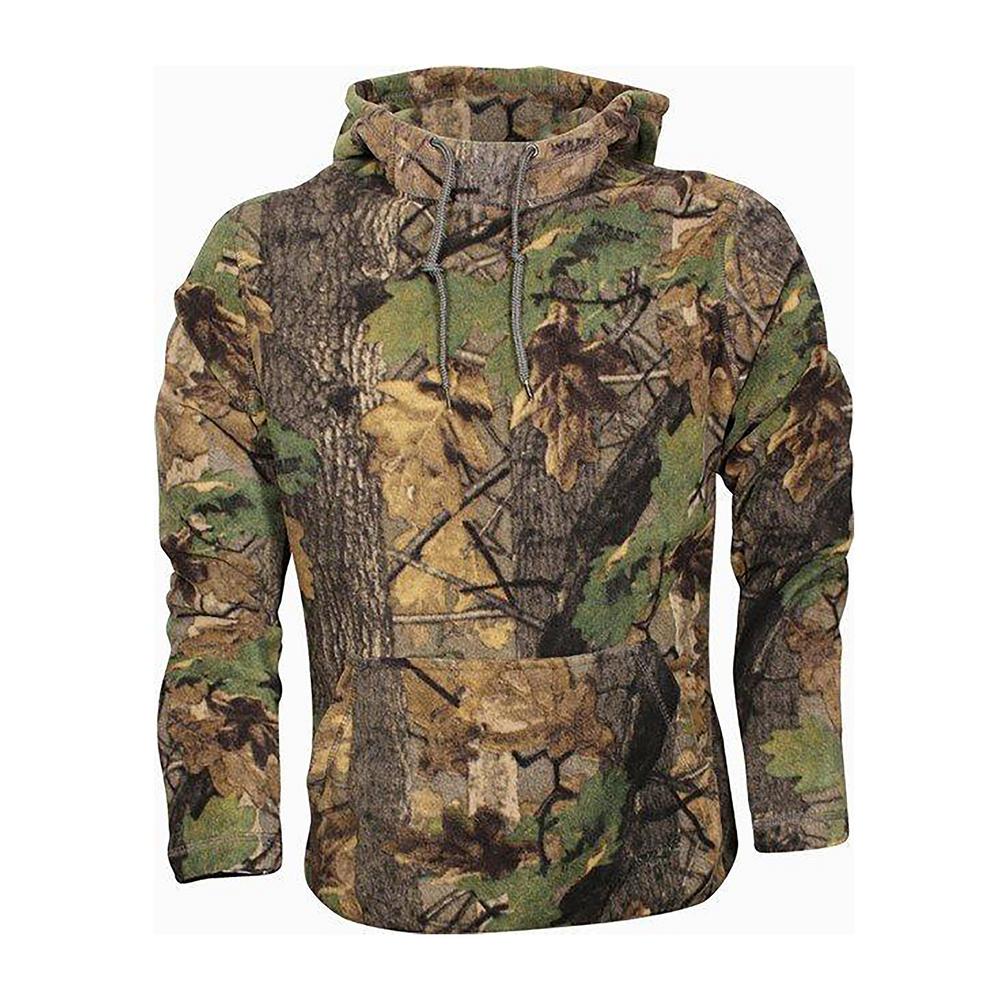
When you spend long hours by the water or out in the field, the right mid-layer can make the difference between calling it a day early and comfortably staying out until last light. A dependable fleece hoodie is one of the most versatile bits of clothing you can add to your fishing or field-sports wardrobe, offering warmth, comfort and easy layering without weighing you down.
Why a fleece hoodie suits fishing and field sports
Fishing and field sports ask a lot from your clothing. You might be sat static in a hide or bivvy for hours, then suddenly up on your feet, moving quickly to net a fish or take advantage of an opportunity. Temperatures shift, weather changes and you need kit that can keep up without constant faffing.
This is where a fleece hoodie earns its place. It provides:
- Reliable insulation that still works when layered under waterproofs.
- Soft, quiet fabric that doesn’t rustle or chafe as you move.
- A hood for instant extra warmth when the wind picks up.
- Pockets for cold hands and quick-access essentials.
Using the Jack Pyke Men’s Fieldman Fleece Hoodie in English Oak as a practical example, we’ll look at what makes a good fishing fleece, how to layer it, and how to get the most from this kind of garment across the seasons.
Jack Pyke Fieldman Fleece Hoodie: what it offers
The Jack Pyke Men’s Fieldman Fleece Hoodie English Oak is a classic field-sports style mid-layer built around a 250g polyester fleece. That puts it in the mid-weight category: warm enough for cool spring and autumn days on its own, and very effective as part of a layered system in winter.
Key features include:
- 250g polyester fleece – easy-care, quick-drying warmth that layers well.
- Front pouch pocket – a kangaroo-style pocket for cold hands and bits of tackle.
- Drawstring hood – cinch it down to keep out draughts during cold winds or early starts.
- English Oak Evolution design – a natural tones camo pattern suited to woodland and bankside cover.
It’s built first and foremost for comfort and practicality: you pull it on, warm up quickly and get on with your day. You can read our full review of the Jack Pyke Men’s Fieldman Fleece Hoodie English Oak if you want an in-depth look at how it performs in real conditions, but here we’ll focus on how this type of mid-layer fits into your wider clothing system.
Understanding fleece weight and warmth
One of the key specs on any fleece is the fabric weight, often given in grams per square metre (gsm). The Jack Pyke Fieldman uses a 250g polyester fleece, which is a sensible sweet spot for anglers and shooters who want year-round flexibility.
As a rough guide:
- Lightweight fleece (100–200gsm) – ideal as a summer evening cover-up or as a light mid-layer for active days.
- Mid-weight fleece (200–300gsm) – good all-round option, warm enough for most of the year when layered well.
- Heavyweight fleece (300gsm+) – extra cosy but bulkier, better for very cold, static days.
A 250g fleece hoodie like the Fieldman gives you that balance of comfort and packability. It’s thick enough to take the edge off a chilly dawn on the bank, but not so chunky that it feels restricted under a waterproof jacket or smock.
Camouflage and colour: when it really matters
The English Oak Evolution design on the Jack Pyke Fieldman is tailored to wooded and leafy environments. If you spend a lot of time stalking the margins, creeping along reed-lined banks or waiting in hides, this type of pattern helps you blend into your surroundings. It’s particularly appealing if you also shoot, or if you like a field-sports aesthetic.
In many coarse fishing or carp situations, camo isn’t about hiding from fish in the same way you would from game, but it does have some practical benefits:
- It breaks up your outline when you’re close to the water.
- It hides mud, stains and general wear better than flat colours.
- It coordinates with other camo or olive kit, if you like a consistent look.
If you mainly fish urban venues or open reservoirs, camo is more about personal taste than necessity. But for many anglers and field-sports fans, a pattern like English Oak Evolution hits that sweet spot of function and style.
Layering a fleece hoodie for different seasons
A fleece hoodie really comes into its own as part of a simple layering system. Here’s how a 250g fleece like the Fieldman can be used across the year.
Spring and autumn on the bank
In shoulder seasons, start with a breathable base layer or cotton T-shirt, add your fleece hoodie, and keep a lightweight waterproof jacket in your bag. The hoodie will keep you comfortable for most of the day, and if a shower blows through you can throw your shell over the top. The hood and pouch pocket on the Jack Pyke model give you quick warmth boosts without adding another garment.
Summer evenings and overnighters
Even in summer, temperatures can drop sharply at dusk or during the early hours. A mid-weight fleece is perfect to pull on when the sun disappears. The breathable nature of polyester fleece means you won’t feel clammy if you’re still active, but you’ll keep the chill at bay as you settle into a chair or bivvy.
Winter layering and cold snaps
In winter, think of your fleece hoodie as your main insulating layer under a serious waterproof or windproof outer. A long-sleeved base layer, the 250g Jack Pyke hoodie and a decent shell will see you through most cold, dry days. If it’s really biting, you can always add a thin gilet or an extra base layer under the hoodie, but many anglers find a mid-weight fleece and a good jacket enough for typical UK conditions.
Practical features that make a difference
On paper, features like a pouch pocket and drawstring hood sound simple, but in practice they make a big difference to how a hoodie works in the field.
- Front pouch pocket – ideal for quickly warming your hands between casts or when glassing a field edge. You can stash small items like bait tubs, a phone or a headtorch, though it’s wise to use secure pockets for valuables.
- Drawstring hood – being able to snug the hood around your head adds a surprising amount of warmth in windy conditions. It also helps hold a beanie in place or cover your neck if you’ve forgotten a buff.
- Polyester fleece construction – this tends to resist light moisture, dries quickly if it does get damp, and copes well with regular washing. For fishing and field sports, that low-maintenance practicality is important.
The Jack Pyke Fieldman keeps things straightforward and functional, which is exactly what most anglers and shooters want from a mid-layer. You can see how these features translate in use by checking out our detailed hands-on review of the Jack Pyke Men’s Fieldman Fleece Hoodie English Oak.
How to choose the right size and fit
Getting the right size in a fleece hoodie is about balancing freedom of movement with layering space. For fishing and field sports, you don’t want anything too tight across the shoulders or chest, as this will feel restrictive when casting, drawing a bow or shouldering a shotgun.
Consider the following:
- Regular vs relaxed fit – a regular fit is fine if you’ll mainly wear a single base layer underneath. If you love layering thicker thermals, look for a more relaxed cut.
- Length – make sure the hem drops low enough to stay tucked under your waterproofs when you bend or sit down.
- Sleeve length – sleeves that are slightly on the long side are often more comfortable when casting or shouldering a rucksack, as they won’t ride up.
If in doubt, compare the measurements of a hoodie you already like to the size chart for the model you’re considering. That’s often more accurate than just going off your usual size label.
Looking after your fleece hoodie
Field-sports and fishing gear takes a hammering, but polyester fleece is easy to care for if you follow some simple steps:
- Wash at 30°C with a mild, non-bio detergent.
- Avoid fabric softener, which can reduce the fleece’s insulating properties and encourage pilling.
- Close drawstrings and turn camo designs inside out to protect the print.
- Line dry where possible rather than blasting on a hot tumble-dry cycle.
Looked after properly, a mid-weight fleece hoodie like the Jack Pyke Fieldman will remain a go-to mid-layer for seasons to come, gradually moulding to your shape and routine.
Alternatives and when you might choose something different
While the Jack Pyke Men’s Fieldman Fleece Hoodie English Oak is a solid all-rounder for anglers and field-sports enthusiasts, it won’t be everyone’s perfect match. Some people prefer a full-zip fleece for easier temperature control, others want a non-camo look for more general outdoor use, and some like to step up to heavier weights for static winter sessions.
If you’re browsing alternatives, think about:
- Zip style – pullover hoodies like the Fieldman feel cosy and secure; full zips vent faster and are easier to pull off over hats or glasses.
- Additional pockets – zipped chest pockets or handwarmer pockets can be very useful if you carry lots of small items.
- Fabric blend – some fleeces mix polyester with stretch fibres for a closer, more athletic fit.
- Weight – go lighter for summer roving and heavier for winter deadbaiting or hide work.
Whatever route you go, use models like the Jack Pyke Fieldman as a reference point: a mid-weight, hooded, pouch-pocket fleece is a proven template for UK bankside and field use.
Final thoughts
A good fleece hoodie is one of those unglamorous but indispensable bits of kit that quietly earn their keep on almost every trip. The Jack Pyke Men’s Fieldman Fleece Hoodie English Oak shows how a simple recipe – a 250g polyester fleece, practical features and a field-friendly camo pattern – can deliver dependable comfort across the seasons.
Whether you choose the Fieldman or another fleece, think about how you’ll layer it, where you’ll use it and how much warmth you need for your kind of fishing or field sports. If you’d like to see how this particular hoodie performs in detail, including real-world notes from extended use, take a look at our full hands-on review of the Jack Pyke Men’s Fieldman Fleece Hoodie English Oak and use it as a benchmark for your next mid-layer purchase.