
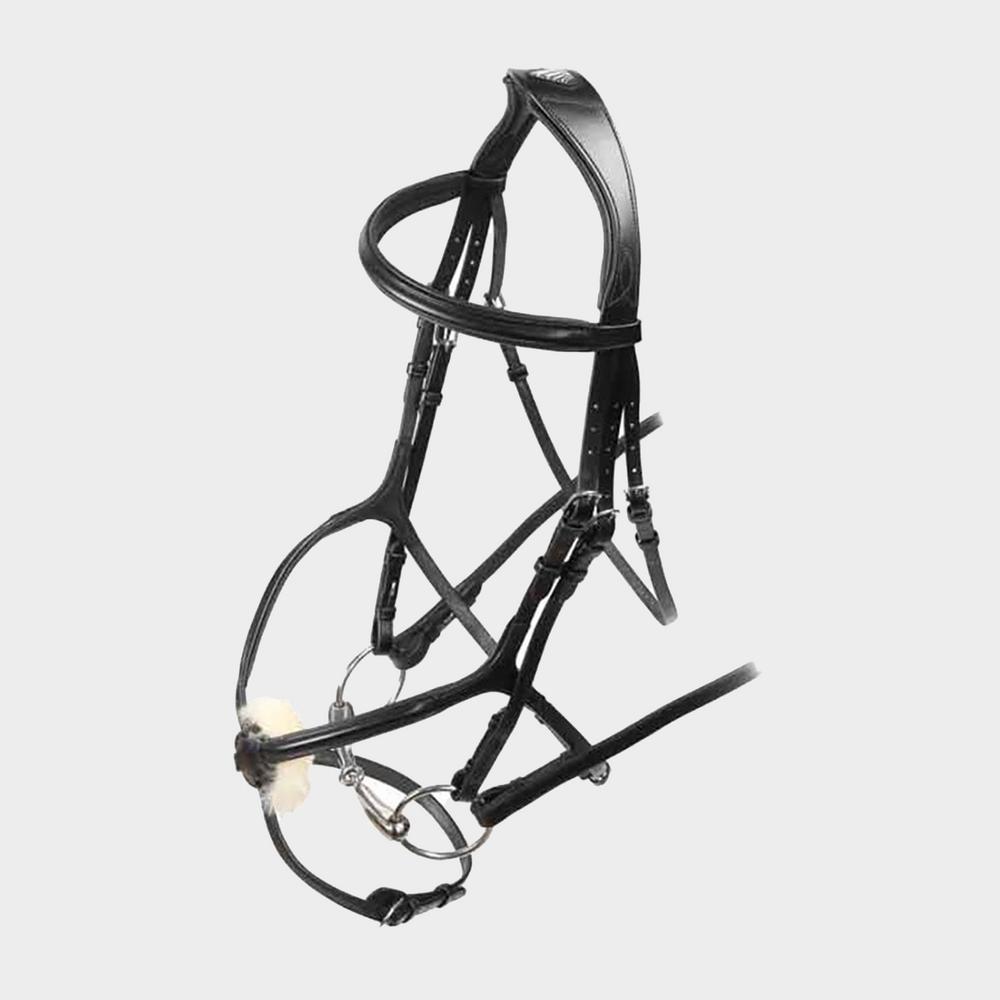
If you ride a keen jumper, a strong eventer or simply a horse that likes to cross its jaw, finding a comfortable yet effective bridle can transform your schooling and hacking. The Velociti Velociti Grackle Bridle Black is a modern take on the classic figure-of-eight design, with thoughtful comfort features aimed at sensitive horses and everyday riders alike.
What does a grackle bridle actually do?
A grackle bridle, sometimes called a figure-of-eight bridle, is designed to help stabilise the bit and discourage your horse from opening or crossing its mouth. Instead of a straight cavesson noseband, the straps cross over the nose in an X shape and fasten higher up the cheeks. When fitted correctly, this keeps pressure away from the soft cartilage at the front of the nose and avoids bulky straps over the nostrils, making it a popular option for faster work.
The Velociti Velociti Grackle Bridle Black follows this classic pattern but adds a wide, raised noseband section to help relieve pressure on the jaw and nose area. That’s especially handy if you’re riding long distances or doing lots of jumping, when continuous pressure on one small area can quickly create soreness.
Inside the Velociti Velociti Grackle Bridle Black
On paper, the Velociti Velociti Grackle Bridle Black looks like a straightforward leather grackle bridle, but it hides a few carefully considered design touches aimed at horse comfort.
- Soft, supple leather: The bridle is made from soft leather, which usually means it takes less breaking in and is kinder against the skin from day one.
- FreedomFit headpiece: This shaped headpiece is designed to absorb shock from movement and support your horse across the head, brow and nose bands, rather than concentrating pressure in one spot.
- Poll gap and ear cut-outs: The crownpiece includes a poll gap and cut-out ears to reduce pressure behind the ears and around the poll, an area where many horses are especially sensitive.
- Angled throatlash: The angled throat lash is intended to sit more naturally around the jaw and neck, helping keep the bridle stable without being restrictive.
- Reins included: The bridle comes with Velociti reins, offering a secure and flexible attachment so you don’t need to buy reins separately unless you want a specific style.
- Classic black finish: The black leather is an easy match with most modern saddles and smart enough for competition.
If you’d like a closer look at how these features come together in day-to-day riding, you can read our full review of the Velociti Velociti Grackle Bridle Black for hands-on impressions.
Why headpiece design matters for horse comfort
Years ago, bridles tended to have flat, narrow headpieces that sat directly on the poll and pressed under the browband and cheekpieces. We now know that pressure here can lead to resistance, head tossing and general tension, especially if the bridle is used for many hours a week.
The FreedomFit headpiece on the Velociti Velociti Grackle Bridle Black aims to spread pressure more evenly across the poll and away from sensitive areas like the base of the ears. The poll gap and ear cut-outs allow the headpiece to contour around the ears rather than pressing into them, which many horses find more comfortable. For riders, that can translate into a softer, more consistent contact and fewer arguments about putting the bridle on.
If your horse is fussy around the ears or objects to traditional headpieces, a shaped design like this is worth serious consideration, whether you opt for a grackle noseband or something else.
Fitting a grackle bridle safely
Even the most ergonomic bridle can cause problems if it’s poorly fitted. Take your time the first few rides to fine-tune the adjustments.
Step-by-step fitting checklist
- Headpiece and browband: Ensure the headpiece sits comfortably behind the ears with no pinching. The browband should lie flat without pulling the headpiece into the back of the ears.
- Bit height: Fit the bit so there are usually one or two small wrinkles at the corners of the mouth, adjusting via the cheekpieces.
- Noseband position: The central crossover of the grackle should sit on the hard part of the nose, roughly two fingers below the cheekbone, not down on the soft cartilage.
- Tension: Once fastened, you should still be able to slide one to two fingers under the straps at the nose. Overly tight nosebands can mask schooling issues and cause long-term discomfort.
- Throatlash: With the angled throatlash on the Velociti bridle, you’re aiming for a secure yet easy fit; roughly four fingers between the jaw and strap is a useful guide.
Check the fit from the front, sides and underneath the jaw. If anything looks twisted, dig into the coat or sits too near the soft nasal passages, adjust before you ride.
Is a grackle bridle right for you and your horse?
Not every horse needs a grackle, but it can be a smart choice for certain types and disciplines.
Horses that may benefit from a grackle
- Strong, forward-going horses that tend to pull or lean in faster work.
- Horses that cross their jaw to evade the bit.
- Jumpers and eventers who need a stable contact over fences.
- Horses that dislike bulky nosebands sitting on the front of the nose.
If that sounds familiar, the Velociti Velociti Grackle Bridle Black offers a comfortable, cushioned version of this noseband style, with soft leather and pressure-relieving features that prioritise your horse’s wellbeing as much as control.
To see how it behaves in real-world use, including feedback on the reins and long-term comfort, you can read our in-depth Velociti Velociti Grackle Bridle Black review.
Comparing Velociti bridles: grackle vs flash and black vs havana
Velociti offers a small family of bridles built around similar comfort principles, so it’s useful to compare the options if you’re not set on a grackle.
Velociti Velociti Grackle Bridle Black vs Velociti Velociti Grackle Bridle Havana
The most straightforward alternative is the Velociti Velociti Grackle Bridle Havana. As the name suggests, it’s effectively the same core grackle design but in a havana (brown) leather rather than black, and at a similar price point.
Functionally, you’re choosing between colourways to match your saddle and other tack. If your saddle and girth are brown, the havana bridle will blend in seamlessly; if your kit is predominantly black or you compete in disciplines that tend to favour black tack, the Velociti Velociti Grackle Bridle Black will look more cohesive.
When a flash bridle might suit better
If your horse is generally polite in the mouth and you spend more time on the flat than over fences, you may lean towards a flash bridle rather than a grackle. Velociti has two notable flash options that sit in a similar quality and price bracket.
- Velociti Dressage Flash Bridle Black – A dressage-oriented flash bridle in black leather. This is a good match if you prefer a traditional cavesson look with an added flash strap for occasional extra control.
- Velociti Velociti Ergonomic Flash Bridle Black – An ergonomic flash bridle with shaped elements similar in spirit to the FreedomFit concept, but aimed at riders who want a flash rather than a grackle noseband.
Both flash options are available in black and, in the case of the ergonomic model, also in havana leather. If your horse goes happily in a cavesson but occasionally opens its mouth, a flash bridle may be a more subtle solution than switching straight to a grackle.
Choosing between black and havana tack
Colour doesn’t change function, but it can influence how polished and coordinated your turnout looks. The Velociti range makes it easy to stay within one design language while choosing between black and havana across grackle and ergonomic flash models.
- Black: Works well with modern saddles, is widely accepted in all disciplines, and hides scuffs a little better for some riders.
- Havana: A classic look that pairs beautifully with brown saddles and traditional leatherwork, often favoured in showing and eventing circles.
Ultimately, the decision between the Velociti Velociti Grackle Bridle Black and its havana siblings is mostly aesthetic. Put comfort, fit and noseband style first; colour can follow.
Where a breastplate fits into your tack setup
If you are upgrading your bridle for jumping, it’s worth thinking about how the rest of your tack works together. A grackle bridle pairs naturally with a breastplate, particularly for eventing or fast hacking on varied terrain.
The SALISBURY Salisbury 5 Point Breastplate is an example of a modern five-point design that attaches at the girth, saddle D-rings and sometimes the stirrup bars to keep the saddle secure. Used alongside a stabilising grackle bridle like the Velociti Velociti Grackle Bridle Black, the overall setup can help keep your saddle in place and your contact steady when the pace picks up.
As always, ensure the breastplate is fitted carefully so it doesn’t pull the saddle forward or restrict shoulder movement, and check that it doesn’t interfere with the bridle or reins when you shorten your contact to a competition length.
Caring for a soft leather bridle
The Velociti Velociti Grackle Bridle Black is made from soft, supple leather, which usually feels comfortable straight away but benefits from regular care to maintain its condition.
Daily and weekly care routine
- After each ride, wipe sweat and dirt off the noseband, headpiece and reins with a damp sponge or cloth.
- Once a week, take the bridle apart, clean with a gentle leather cleaner and allow it to dry naturally away from direct heat.
- Apply a light leather balm or conditioner to keep the leather supple, paying attention to buckle holes and any areas that flex frequently.
- Check stitching and buckle holes regularly; soft leather is comfortable but should still feel robust and secure.
Stored on a bridle hook or rack in a dry, ventilated tack room, a well-cared-for bridle should soften further over time while retaining its strength.
Making the most of your bridle investment
Bridles are a long-term purchase, so it’s worth getting the most from whichever setup you choose.
- Reassess fit regularly: Horses’ shapes change with work and age. Revisit the fit of your Velociti Velociti Grackle Bridle Black every few months.
- Use the right noseband for the work: You may find your horse is happiest in a grackle for fast work and an ergonomic flash or cavesson for quieter schooling.
- Pair with sympathetic riding: No noseband can replace good hands and balanced schooling. Use the grackle as a complement to, not a substitute for, correct training.
- Keep leather matching and tidy: Whether you choose black or havana, matching reins, breastplates and martingales help your turnout look polished in the ring.
Choosing the right bridle is as much about your horse’s comfort as it is about control and style. The Velociti Velociti Grackle Bridle Black offers a thoughtful, comfort-focused take on a classic noseband, with alternatives in the same range to suit different disciplines and colour preferences. To dive deeper into how each option performs in practice, explore the linked reviews, starting with the full Velociti Velociti Grackle Bridle Black review for detailed, ride-tested insight.