
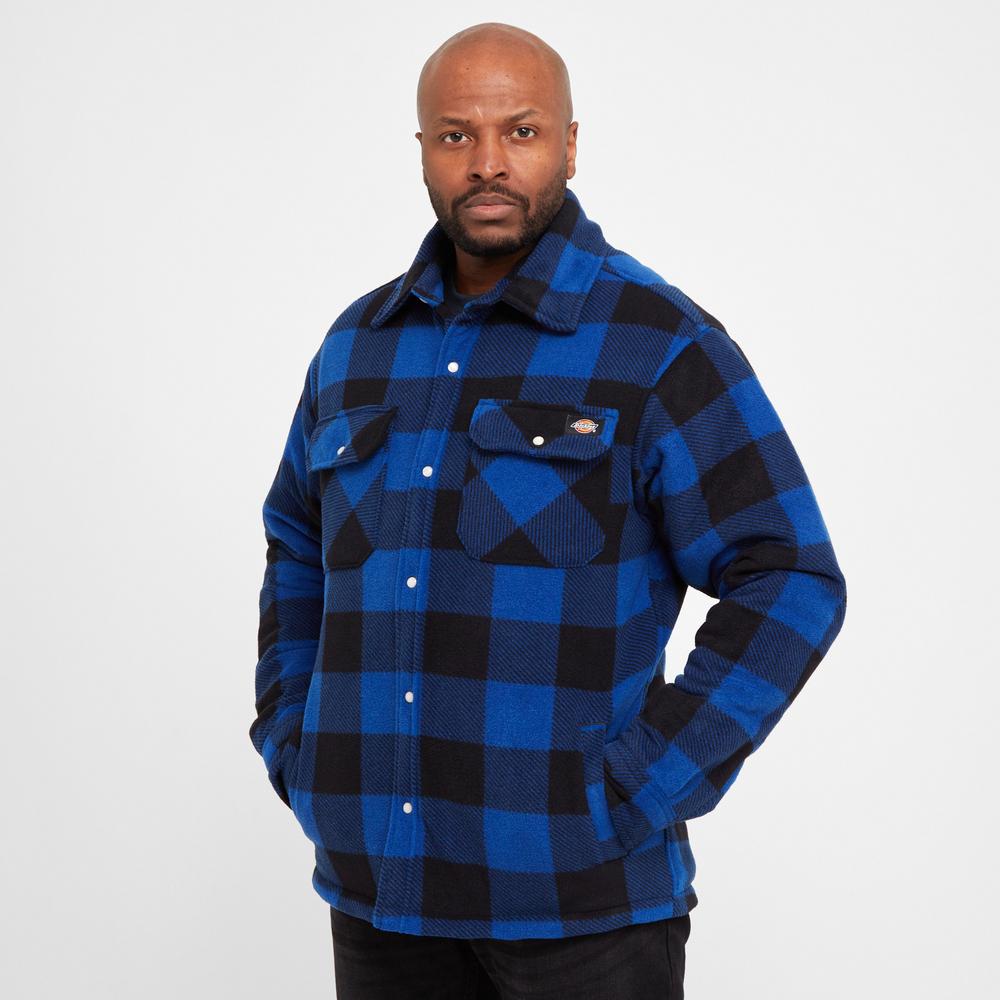
If you spend a lot of time outdoors in the UK, you quickly learn the value of a warm, practical shirt that can bridge the gap between casual wear and workwear. The Dickies Men’s Portland Shirt is exactly that kind of piece – a padded, polar fleece-lined shirt that’s just as at home on a chilly dog walk as it is on a job site or campsite.
What is the Dickies Men’s Portland Shirt?
The Dickies Men’s Portland Shirt is a lined men’s shirt designed to offer warmth and practicality without the bulk of a heavy jacket. It uses a soft polar fleece construction with a padded lining, combining cosy comfort with extra insulation for cooler days.
With its combination of easy-opening press-down pearlised studs and multiple pockets, it’s built to be grabbed day after day as an outer layer or a warm mid-layer. If you’re interested in more detailed, hands-on impressions, you can always read our full review of the Dickies Men’s Portland Shirt once you’ve got a handle on what to look for.
Key features of the Dickies Men’s Portland Shirt
While this isn’t a deep dive review, understanding the basic design helps you decide whether a shirt like this suits your needs.
- Padded lining – A built-in layer of padding adds warmth, making it ideal for cooler months or chilly evenings.
- Soft polar fleece – The fabric is a cosy, soft fleece that feels comfortable against the skin and traps warm air effectively.
- Press-down pearlised studs – Instead of standard buttons, you get easy-opening studs for quick on-and-off and simple venting.
- Four pockets – Two chest pockets and two hip pockets give plenty of space for small essentials like keys, a phone or a tape measure.
- 100% polyester fabric – Durable, easy to care for and quick-drying compared with cotton.
This combination makes the Portland Shirt a good example of a modern “shacket” style – a shirt that can comfortably double as a light jacket when you don’t quite need a full coat.
When does a padded fleece shirt work best?
A fleece-lined or padded shirt shines in that broad shoulder season the UK is famous for: those days that are too cold for a T-shirt but too mild for a big winter coat. Here are a few common scenarios where something like the Dickies Men’s Portland Shirt fits in perfectly:
- On-site or workshop work where you’re moving in and out of buildings and need warmth plus easy movement.
- Autumn and spring walks when you’re on the move and likely to warm up quickly.
- Camping and caravanning for evenings around the site when temperatures dip.
- Everyday wear for school runs, dog walks and errands when a padded shirt is simply more comfortable than a stiff jacket.
If you regularly find yourself between layers – too hot in a jacket, too cold without – a padded fleece shirt can plug that gap reliably.
How to choose the right size and fit
Getting the sizing right for a lined shirt is more than just matching your usual chest size. Because you’ll often wear layers underneath, it needs to allow comfortable movement without feeling baggy.
Think about how you’ll wear it
Ask yourself whether the Portland Shirt will be:
- Mostly a mid-layer under a shell or heavy coat, or
- Mainly an outer layer over T-shirts and lightweight tops.
If you’ll use it as an outer layer over bulkier jumpers, consider allowing a little extra room. If you’ll keep it under a jacket, you may prefer a truer-to-size fit that doesn’t bunch up.
Check movement, not just measurements
When you try on a shirt like this, don’t just stand in front of a mirror. Stretch your arms forward as if using trekking poles, reach overhead like you’re grabbing something from a shelf, and squat slightly as you might on a job. The studs shouldn’t pull, and the shoulders and back should feel unrestricted.
A relaxed, workwear-inspired fit (which is typical of brands like Dickies) usually suits layering and active use better than a slim, fashion cut.
Layering the Dickies Portland Shirt in different seasons
One of the strengths of a padded fleece shirt is its versatility. You can make the most of it by adjusting your layers around it rather than constantly swapping outerwear.
Early autumn and mild spring
In shoulder seasons, wear the Portland Shirt over a light T-shirt or moisture-wicking base layer. The polar fleece and padding will provide enough warmth on their own for moderate temperatures, and the press-down studs make it easy to open up for ventilation if the sun appears.
Cold, dry winter days
When it’s cold but not pouring down, use the shirt as a middle layer. A thin thermal base layer, the Portland Shirt on top and a windproof shell or softshell over the top will usually see you right for most everyday activities and moderate walks. The padded lining adds core warmth while the outer shell handles wind chill.
Wet and windy conditions
The Portland Shirt is made from polyester fleece with padding, not a waterproof membrane, so it’s not a replacement for a proper rain jacket. In wet conditions, treat it as an insulating mid-layer and pull a dedicated waterproof over the top. Polyester’s quick-drying nature means it will recover faster than cotton if it does get damp.
Caring for a 100% polyester, fleece-lined shirt
One of the practical advantages of a shirt like this is the easy maintenance. Polyester is tough and forgiving, but there are still a few habits that will help it last longer.
- Follow the care label – Stick to the recommended washing temperature and settings.
- Use a mild detergent – Strong detergents and fabric softeners can affect the feel of the fleece over time.
- Fasten the studs – Closing the studs before washing helps protect both the fastenings and the fabric around them.
- Air dry where possible – Hanging to dry rather than using high-heat tumble cycles will help preserve the padding and prevent shrinkage or misshaping.
Regular, gentle washing will keep the fleece soft and reduce odour build-up, especially if you use the shirt for work or active days outdoors.
Comparing warm men’s layers: shirts vs trousers
When you’re putting together a comfortable outdoor outfit, it’s easy to focus on the upper body and forget about what’s happening below the waist. A warm, padded shirt like the Dickies Portland is only half the story if your trousers aren’t up to the same conditions.
As a comparison, the Regatta Men’s Dayhike IV Trousers represent the opposite end of the outfit – legwear designed for walking comfort and protection. While they’re not directly comparable garments, thinking about the two together helps you plan your layering system properly.
Dickies Portland Shirt vs Regatta Dayhike IV Trousers: how they fit into your kit
- Purpose – The Portland Shirt is primarily about warmth and casual/work versatility, whereas the Dayhike IV Trousers are purpose-built for hiking and active use.
- Weather protection – A padded shirt gives insulating warmth and comfort on your upper body. Technical trousers add stretch, durability and, in many cases, some level of water resistance on your legs.
- Layering – The shirt slots into your top-half layering system, while trousers like the Dayhike IV are designed to be worn all day, possibly with a base tight underneath in colder weather.
If you often head out for walks or work outdoors, combining a warm upper layer like the Portland Shirt with supportive, weather-appropriate legwear such as the Dayhike IV creates a balanced, all-round setup.
Who is the Dickies Men’s Portland Shirt best for?
While almost anyone can enjoy a lined fleece shirt, certain users will get particular value from the Portland-style design:
- Trades and manual workers who want a warm, easy-on outer layer that still looks tidy on site.
- Dog walkers and commuters who need a grab-and-go layer for chilly mornings and evenings.
- Campers and caravanners who like relaxed, cosy layers for sitting around outside.
- Casual hikers who stick to well-marked paths in fair weather and layer a shell over the top when needed.
Because it’s 100% polyester with a padded lining, it leans slightly more towards warmth and ease of care than ultra-breathable performance. That’s perfect for everyday UK use, where mixed conditions and regular washing are part of life.
Is the Portland Shirt right for you?
Ultimately, whether the Dickies Men’s Portland Shirt is the right choice comes down to how and where you’ll use it. If you’re looking for a technical mid-layer for long, fast hikes in the hills, you might prioritise lighter, more breathable fabrics. But if you want a robust, warm shirt that feels like a cross between a jacket and a fleece, the Portland’s combination of padding, polar fleece and practical pockets will tick a lot of boxes.
Before making a decision, it’s worth diving into more detailed, hands-on impressions – you can read our full Dickies Men’s Portland Shirt review here to see how it copes in real-world use. You might also want to consider how it fits into the rest of your wardrobe and whether pairing it with capable legwear like the Regatta Dayhike IV Trousers would round out your outdoor kit.
Whichever way you go, taking the time to understand what a padded, fleece-lined shirt offers – and how to size, layer and care for it – will help you get more comfort and value from every mile you walk or hour you spend outdoors. When you’re ready to dig deeper, follow the links to explore the full, in-depth reviews and make a confident choice.