
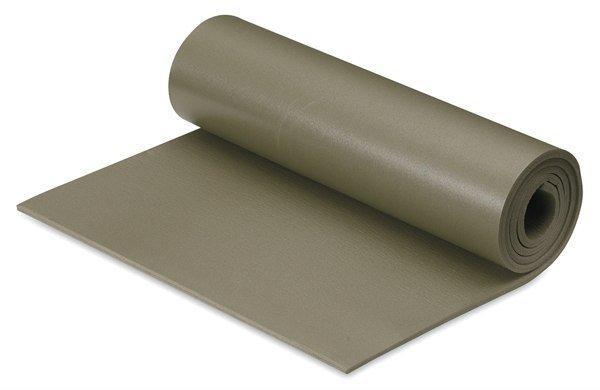
If you like to keep your camping kit simple, a basic foam roll mat can still be one of the most useful pieces of gear you own. The HI-GEAR Military Foam Sleeping Mat is a classic example: no pumps, no valves, just straightforward cushioning between you and the ground – whether you’re on a campsite, bivvying on a hillside or dossing on a mate’s floor.
Why a simple foam sleeping mat still earns its place
With so many high-tech inflatable and self-inflating mats on the market, it’s easy to overlook the humble closed-cell foam pad. Yet there are good reasons why foam mats like the HI-GEAR Military Foam Sleeping Mat remain popular with campers, festival-goers and scouts.
The appeal comes down to three things: reliability, speed and value. A foam mat doesn’t rely on valves or air chambers, so there’s nothing to puncture or fail in the middle of the night. Unroll it and it’s ready; roll it back up and strap it to your pack when you’re done. For beginners kitting out their first camping setup, it’s also a low-cost way to get off the ground and add a crucial layer of insulation.
If you want a deeper dive into how this particular mat performs in the real world, you can always read our full review of the HI-GEAR Military Foam Sleeping Mat alongside this broader guide.
Key details of the HI-GEAR Military Foam Sleeping Mat
The HI-GEAR Military Foam Sleeping Mat is about as straightforward as camping gear gets. It’s designed to provide “simple but adequate cushioning” for camping trips, sleepovers and nights under the stars, and that’s exactly what it offers.
Its stated dimensions are:
- Length: 1850 mm (185 cm)
- Width: 550 mm (55 cm)
- Thickness: 10 mm
At 185 cm long, it will suit most adults, though very tall campers may find their heels or head close to the edge of the mat. The 55 cm width is fairly standard for a basic roll mat, giving enough room to lie comfortably on your back without hanging over the sides on a typical tent floor.
The 10 mm foam thickness puts it firmly into the “basic cushioning” bracket. It won’t feel like a mattress, but it will take the edge off lumps and bumps and, more importantly, provide insulation from cold ground.
Who is the HI-GEAR Military Foam Mat best for?
Because it’s so simple, the HI-GEAR Military Foam Sleeping Mat suits a surprisingly wide range of campers. Here are some of the situations where it really shines.
Beginners building a budget-friendly sleep system
If you’re putting together your first camping kit and don’t want to commit to expensive gear, a basic foam mat is a sensible starting point. Pair it with a decent three-season sleeping bag and you’ve already ticked off two of the most important comfort items without breaking the bank.
You can always upgrade to a more cushioned or insulated mat later, and keep the foam mat as a spare or for guests. In the meantime, the HI-GEAR mat gives you a robust, no-fuss platform for trying out campsites, festivals or nights in the garden.
Scouts, Duke of Edinburgh and youth groups
Foam mats are ideal for group use because they’re tough and straightforward. There’s no risk of dozens of valves and bladders getting damaged on a school or scout trip. Group leaders can throw a pile of mats in the minibus, and young campers can roll them out in seconds.
The 185 x 55 cm footprint of the HI-GEAR Military Foam Sleeping Mat is well suited to teens and most adults, and the 10 mm thickness offers enough comfort for a couple of nights away when combined with a sensible pitch choice.
Backpackers and wild campers who like bombproof kit
If you wild camp or bivvy regularly, you’ll know how reassuring a foam mat can be. There’s no faff with inflating it at the end of a long hill day, and you can throw it straight on rocky or gritty ground without the flutter of anxiety that comes with an air mat.
The trade-off is bulk rather than weight: a foam mat usually lives strapped horizontally or vertically to your pack. For some backpackers that’s a minor annoyance; for others, it’s a small price to pay for the indestructible feel of closed-cell foam under a bivvy bag.
Comfort, warmth and realistic expectations
Because the HI-GEAR Military Foam Sleeping Mat is relatively thin at 10 mm, it’s important to be realistic about comfort. It’s designed to offer “simple but adequate cushioning”, not luxury. Here’s what that means in practice.
Comfort on different ground types
- Short grass and soft soil: The mat works best here, smoothing out gentle undulations and providing a fairly even surface.
- Firm campsite pitches: You’ll notice the hardness more, particularly if you’re a side sleeper, but it’s still perfectly usable for a couple of nights.
- Rocky or rooty woodland floors: The mat will blunt the worst of it, but you’ll feel some pressure points. Spending a few minutes finding a better pitch is worth the effort.
For back sleepers, 10 mm of foam is often enough. Side sleepers tend to feel their hips and shoulders a bit more, so may prefer to add a thin extra layer (such as a folded fleece) under those hotspots or eventually upgrade to a thicker self-inflating mat.
Insulation and seasonality
A closed-cell foam mat like this adds a vital insulating barrier between your body and the ground. Even in summer, the ground can sap warmth surprisingly quickly, so using a mat is about more than just softness.
For typical UK spring, summer and early autumn camping, a single 10 mm foam pad can be enough when combined with a suitable sleeping bag and sensible clothing. In colder shoulder seasons, many people layer a foam mat under a self-inflating mat or lightweight inflatable to boost warmth and protect the more delicate mat from abrasion.
Using and looking after a foam sleeping mat
Although the HI-GEAR Military Foam Sleeping Mat is tough and straightforward, a bit of care will help it last longer and perform better trip after trip.
Setup and packing tips
- Clear the ground: Flick away sharp stones, thorns and large twigs before you unroll the mat, especially if you’re sleeping directly on the ground or in a minimalist shelter.
- Pitch thoughtfully: Aim for a gentle slope at most, with your head slightly higher than your feet. This makes any basic mat feel more comfortable.
- Keep it dry: If the ground is damp, use a tent footprint or bivvy bag to protect both the mat and your sleeping bag.
- Roll consistently: When packing up, roll from the foot end tightly and use straps or elastic to keep it compact. Rolling it the same way each time helps it keep a neat shape.
Cleaning and storage
Foam mats are easy to clean. Use lukewarm water, a small amount of mild soap and a soft cloth, then rinse and leave the mat to dry naturally. Avoid very hot water or harsh cleaners, which can damage the foam.
For storage at home, keep the mat loosely rolled or laid flat in a dry, cool, shaded place. Constantly compressing it too tightly or leaving it somewhere damp can shorten its life and make the foam feel tired sooner.
When to upgrade: foam vs self-inflating and inflatable mats
For occasional camping and short trips, a simple mat like the HI-GEAR Military Foam Sleeping Mat can be all you need. Over time, though, you may find your priorities shifting towards more comfort or packability.
As a rough guide:
- Stick with foam if you value durability, simplicity, and the confidence of a mat that can’t puncture, and you don’t mind the bulk.
- Consider a self-inflating mat if you want more comfort and warmth, are willing to spend a bit more and can protect it from sharp objects.
- Look at lightweight inflatables if pack weight and volume are critical (long-distance backpacking, bikepacking) and you’re happy to baby your gear a little.
You can also combine a foam mat with another pad for added comfort and redundancy. In colder conditions, many experienced campers lay a foam mat like this one under an inflatable, gaining both extra insulation and protection for the air mat.
Comparing the HI-GEAR Military Foam Mat with alternative options
Although the HI-GEAR Military Foam Sleeping Mat sits at the simple, budget-friendly end of the spectrum, it’s worth considering how it fits into your overall sleep system and camping style compared with alternatives. Some campers will prioritise the peace of mind of a basic foam mat, while others will quickly want more cushioning or a smaller packed size.
Because this guide focuses on the HI-GEAR mat as a core example of a foam roll mat, it’s best to think of alternatives in terms of type rather than specific model names. Thicker foam mats, for instance, offer more cushioning at the cost of slightly more bulk and weight. Self-inflating mats usually deliver better comfort and warmth while still being relatively robust, but they require more care and cost more upfront. Lightweight inflatable mats are the most compact and often the most comfortable, though they are also the most puncture-prone and usually command the highest price.
By understanding where the HI-GEAR Military Foam Sleeping Mat sits – a thin, simple foam pad at a likely accessible price point – you can decide whether you’re happy embracing its no-frills approach, or whether your camping style would be better served by stepping up to something more plush. If you’re unsure, starting with a foam mat is rarely a bad idea: you can later repurpose it as a backup, a guest mat, or a layer under a more advanced pad on colder trips.
Practical tips for getting the most from a basic foam mat
Even a simple 10 mm foam pad can feel much more comfortable with a few smart tweaks. These ideas can help you maximise the performance of the HI-GEAR Military Foam Sleeping Mat without spending much more money.
- Use clothing strategically: Place spare clothes under your hips, shoulders or knees to add targeted cushioning in pressure spots.
- Level your bed: If the ground slopes, sleep with your head uphill and use small items (like a folded jacket) under the mat to even out hollows.
- Stop slipping: If you slide off the mat at night, try placing it inside a large sleeping bag liner or lay a grippy base layer beneath it.
- Layer cleverly in cold weather: Put a thin reflective blanket or a second foam mat under the HI-GEAR pad to boost insulation when the temperature drops.
Is the HI-GEAR Military Foam Sleeping Mat right for you?
Choosing a sleeping mat is about balancing comfort, durability, pack size and price against the trips you actually take. The HI-GEAR Military Foam Sleeping Mat sits firmly in the dependable, low-cost and low-fuss corner of that equation. It’s long and wide enough for most adults, offers basic 10 mm cushioning and insulation, and has none of the maintenance demands of more complex mats.
If you’re a new camper, a scout or Duke of Edinburgh participant, a festival regular or someone who values indestructible kit for bivvying and wild camping, this kind of mat can make a lot of sense. Those who already know they need extra cushioning – especially side sleepers or anyone with sensitive joints – may eventually want to look towards thicker foam or self-inflating options.
For a more detailed look at how this particular mat handles real-world nights outdoors, comfort on different pitches and long-term durability, you can check out our full HI-GEAR Military Foam Sleeping Mat review. Then you can decide whether this no-nonsense foam roll mat deserves a place in your camping kit.