
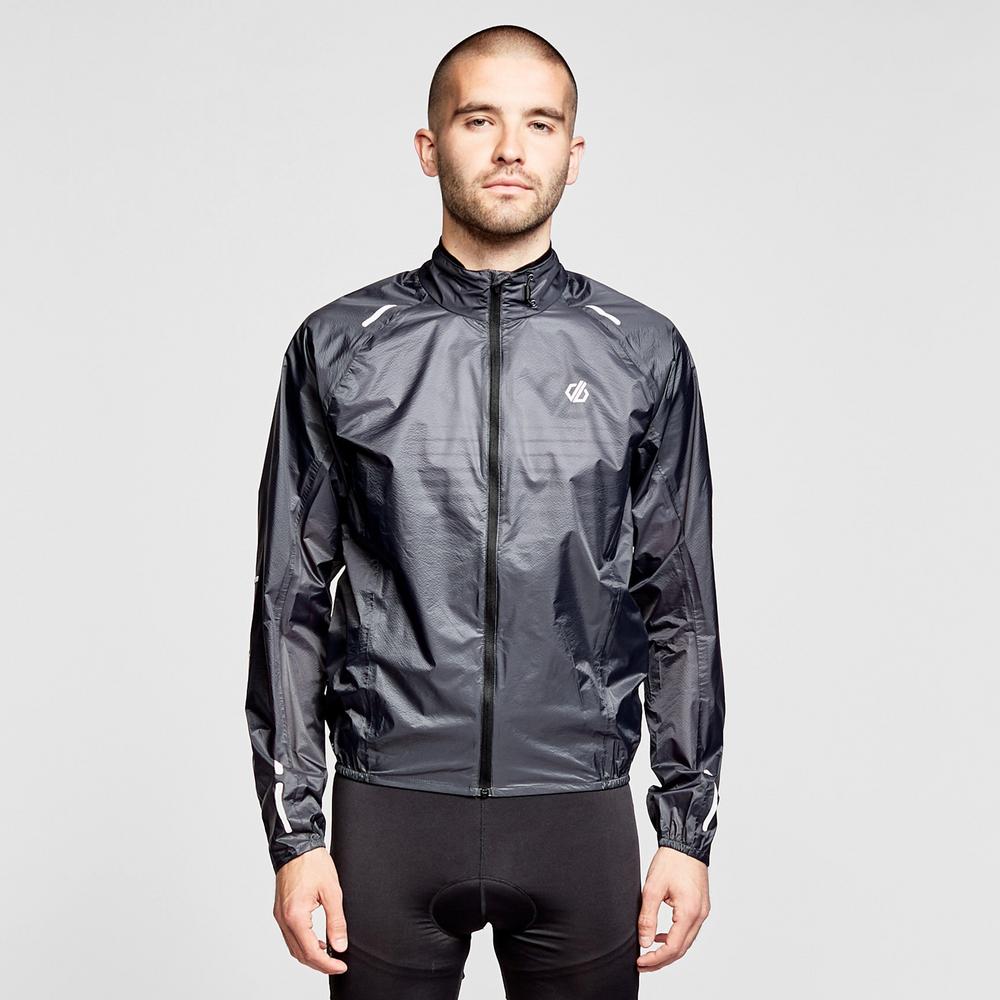
Staying dry and visible on the bike can make the difference between a ride you’ll remember for the right reasons and one you’d rather forget. A good lightweight cycling jacket is one of the most important bits of kit you can buy for riding in the UK’s famously changeable weather.
Why a lightweight waterproof cycling jacket matters
On British roads, sunshine and showers can swap places in minutes. A bulky winter coat is overkill for much of the year, while a flimsy wind shell may leave you soaked when the rain really sets in. That’s where lightweight waterproof cycling jackets shine.
The Dare 2B Men’s Resphere Cycling Jacket is a good example of this type of layer. Billed as Dare 2b’s lightest ever jacket and built around Ared 5000 waterproof and breathable fabric, it’s designed for road cycling in warmer weather, when you need protection from rain and spray without feeling like you’re riding in a sauna. If you want all the fine detail, you can always read our full review of the Dare 2B Men’s Resphere Cycling Jacket, but in this guide we’ll focus on how to choose and use a jacket like this to get more from every ride.
Key features to look for in a road cycling jacket
Whether you’re considering the Dare 2B Men’s Resphere Cycling Jacket or another model entirely, there are several core features that will make the biggest difference to comfort and performance.
Waterproof fabric and taped seams
A jacket can only be called properly waterproof if both the fabric and the construction keep water out. The Resphere uses Ared 5000 fabric, a lightweight waterproof and breathable material that’s aimed at protection in typical showers rather than all-day downpours.
- Waterproof fabric: Look for a specific waterproof rating or a clear statement that the fabric is waterproof rather than just water resistant.
- Fully taped seams: The Resphere’s fully taped seams stop water creeping in along stitching lines, a common weak point on cheaper shells.
- Water-repellent finish: A durable water-repellent (DWR) coating helps rain bead and roll off the surface so the fabric doesn’t soak up water and feel heavy.
Breathability for warmer rides
If you ride hard, especially on climbs, you’ll generate a lot of heat and moisture. A waterproof jacket that doesn’t breathe will quickly feel clammy from the inside. Lightweight fabrics like Ared 5000 aim to manage that moisture, making the Resphere more suitable for spring and summer than a heavy-duty winter shell.
When you’re comparing options, seek out jackets described as breathable and check for extra venting options such as mesh-lined pockets or a front zip you can crack open on climbs.
Fit, articulation and on-bike comfort
Cycling jackets are cut differently from hiking or casual waterproofs. On the bike, you’re bent forward with your arms outstretched, so the pattern needs to match that position.
- Articulated sleeves: The Resphere’s articulated sleeves are shaped to follow a riding position, reducing pulling across the shoulders and keeping the cuffs in place.
- Long back / dropped tail: A longer back with a scooped, part-elasticated hem gives better coverage against road spray and prevents gaps when you reach for the drops.
- Adjustable neck and hem: Features like the Resphere’s easy-adjust cinch neck help seal out draughts while allowing you to fine-tune the fit.
Visibility and safety on the road
Reflective details are a small addition that can make a big difference, particularly on dull days, in drizzle or at dusk. The Dare 2B Men’s Resphere Cycling Jacket includes 360 Reflective Print technology, designed to pick up headlights from all angles.
When choosing a jacket, look for reflective prints or piping on the front, back and sleeves so motorists can pick you out from multiple directions. This can be especially useful if you prefer more understated colours but still want to be seen.
Storage and packability
If you’re heading out on a longer ride, there will be times when you need to take a jacket off and stash it. The Resphere weighs around 180g (in size medium) and packs into its own rear zipped pocket, which is a smart touch for riders who like to travel light.
- Packs into its pocket: Jackets that fold into a built-in pocket are easy to throw into a jersey or saddle bag.
- Rear pocket access: A single rear zip pocket, as on the Resphere, is useful for keys or a card when you’re riding, but it’s also handy as a built-in stuff sack.
- Low weight: Sub-200g jackets feel unobtrusive in a pocket or on your shoulders, which makes you more likely to bring them “just in case”.
When a warm-weather waterproof jacket makes sense
The Dare 2B Men’s Resphere Cycling Jacket is clearly positioned as a warm-weather road shell, but what does that actually mean in the real world?
In the UK, think spring and summer rides where the air temperature is comfortable but rain, wind and road spray are still a threat. You don’t want insulation; you want a breathable shield you can throw on for showers or breezier descents.
Pair a jacket like this with a good wicking base layer and, if needed, a light jersey. On climbs, you’ll often be more comfortable with the zip partly open or the jacket stashed, then you can pull it on quickly for exposed sections and fast descents where wind chill bites harder.
For much colder conditions, a heavier, more insulated jacket or a waterproof paired with proper winter layers may be more appropriate, but a light shell is still a useful emergency layer for changeable conditions.
Choosing the right size and fit
A cycling jacket should feel different off the bike than on it, and that’s fine. When you’re trying one on, mimic your riding position by bending forward and reaching your arms out as if holding the bars.
- Check sleeve length: Sleeves should still cover your wrists in the drops and not ride halfway up your forearms.
- Look at the tail: The dropped back should cover your lower back and top of your shorts, even when you lean forward.
- Allow for layers: If you ride in cooler seasons, make sure there’s room for at least a base layer and jersey without straining the zip.
- Avoid excess fabric: Too much looseness at the chest and shoulders can flap in the wind and feel annoying on longer rides.
The Resphere’s articulated sleeves and elasticated hem are there to help it stay put when you’re riding, but sizing will always come down to your body shape and layering preferences. If you’re keen to see how it behaves in practice, you can read our hands-on impression of the Dare 2B Men’s Resphere Cycling Jacket here.
Caring for a waterproof cycling jacket
Look after your jacket and it will look after you. Modern waterproof fabrics rely on both the membrane and the water-repellent treatment on the outer face, and both need a bit of maintenance.
- Regular cleaning: Sweat, road grime and sun cream can clog the fabric and reduce breathability. Wash the jacket according to the care label using a technical cleaner designed for waterproofs.
- Avoid harsh detergents: Standard detergent and fabric softeners can strip the water-repellent finish and leave residues that hinder performance.
- Reproof when needed: If water stops beading on the surface and starts soaking in, it’s time to reproof with a wash-in or spray-on treatment.
- Dry and store carefully: Dry thoroughly before storing and avoid cramming it damp into the bottom of a bag for days on end.
The same principles apply whether you’re using a stripped-back summer shell like the Resphere or a more substantial winter waterproof.
Comparing alternatives: men’s vs women’s cycling jackets
While the Dare 2B Men’s Resphere Cycling Jacket is aimed squarely at male road riders, women have a very similar option in the Dare 2B Women’s Mediant Jacket. Both sit in the cycling category and focus on lightweight, packable protection, but the women’s-specific cut of the Mediant will better suit many female riders.
If you’re shopping for a partner, or you’re a woman comparing your options, it’s worth taking a look at how the Mediant lines up. You can read our full review of the Dare 2B Women’s Mediant Jacket for detailed fit notes and performance impressions, but the key point is that brand ranges often mirror men’s and women’s models with similar fabrics and features.
When weighing up men’s and women’s jackets in the same brand family, consider:
- Cut and shaping: Women’s jackets usually offer more room at the chest and hips with a slightly different shoulder line, which can dramatically improve comfort.
- Length differences: Torso and sleeve lengths may be shorter or longer, so check coverage in your riding position.
- Feature parity: Look for similar waterproof fabrics, seam taping, reflective details and pocket layouts so you don’t miss out on functionality.
How to choose between similar cycling jackets
Once you narrow your search down to a handful of lightweight waterproof cycling jackets, they can start to look very similar on paper. Here are some practical ways to make a final decision.
Think about your typical rides
Are you mostly doing short, fast evening spins or longer weekend rides? Do you stick to tarmac or mix in gravel and towpaths? If you’re often out for hours, a slightly more robust jacket might be worth the extra grams. If most rides are under an hour, a very light, packable piece like the Resphere may be all you need.
Weigh up packability vs durability
The Resphere’s 180g weight and pocket-packable design are ideal for riders who want a “just in case” layer. But if you’re commuting daily in foul weather, a heavier-duty fabric could stand up better to repeated use, even if it doesn’t disappear into a jersey pocket as easily.
Ask yourself how often you’ll be wearing the jacket and how much it will travel in a bag or pocket. There’s no right answer; it’s about matching the jacket’s strengths to your habits.
Check real-world feedback
Specification sheets tell only part of the story. Seeing how a jacket behaves in real rain and real rides is invaluable. That’s where in-depth reviews, like those linked throughout this guide, come into their own. They can highlight quirks, fit issues and surprising strengths that don’t show up in a bare feature list.
Getting the most from your cycling jacket on the road
Once you’ve chosen a jacket, using it well is almost as important as the purchase decision itself. A few on-the-road habits can make it feel more comfortable and effective.
- Layer smart: Use a wicking base layer under your jersey and jacket to move sweat away from your skin. This makes the most of any breathable fabric.
- Vent early: Open the front zip slightly before you overheat on a climb to stay comfortable without getting soaked from the inside.
- Carry it often: A lightweight, packable jacket works best when it’s with you. Get in the habit of stuffing it into a pocket even when the sky looks clear.
- Use the features: Cinch the neck and hem when it’s wet and windy, then relax them when the weather improves for better airflow.
Conclusion: building a better cycling wardrobe
A well-chosen lightweight waterproof cycling jacket is one of the best investments you can make for riding more often and enjoying it more, whatever the clouds are doing. Models like the Dare 2B Men’s Resphere Cycling Jacket show how far brands have come in balancing weather protection, visibility and packability for road cyclists. If you’d like a deeper dive into how the Resphere, or its women’s counterpart, performs when the heavens open, follow the links in this guide and explore the full reviews for all the details before you buy.