
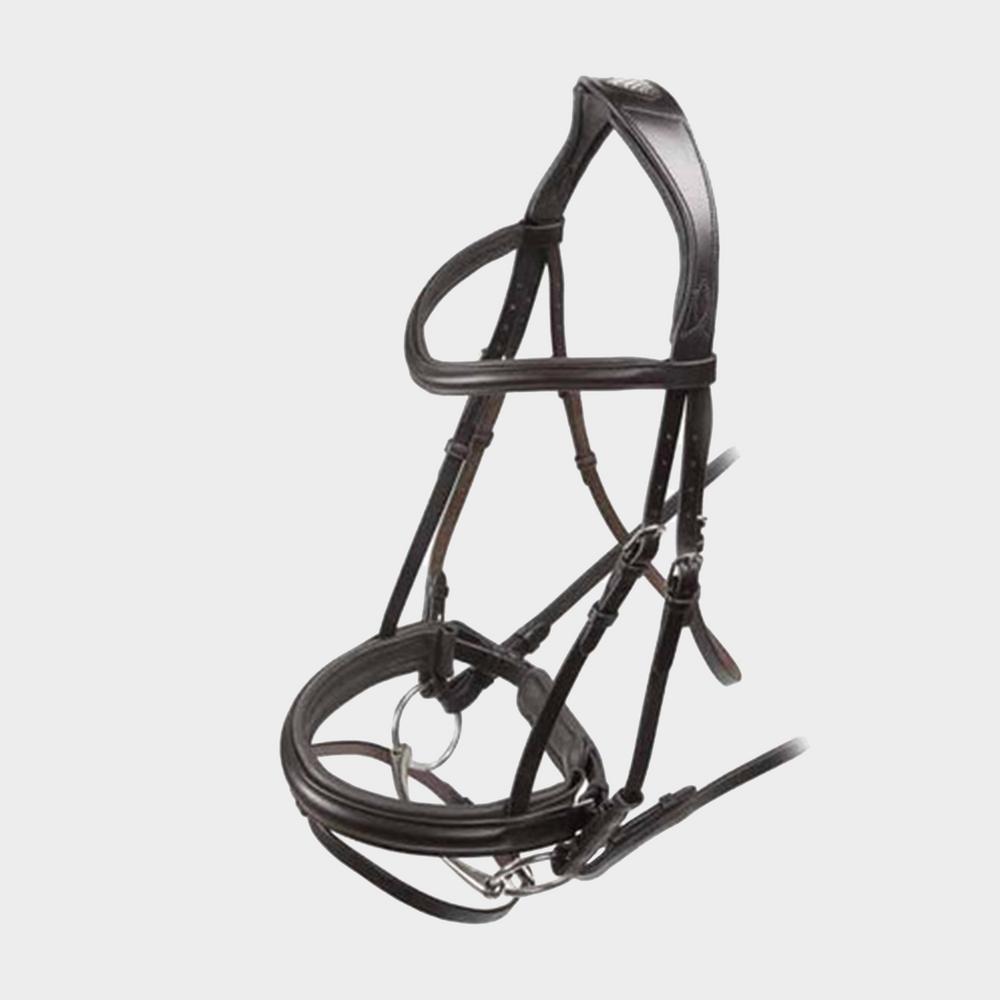
A well-fitting, comfortable bridle can transform how your horse feels under saddle, especially in the dressage arena where fine, consistent contact really matters. In this guide, we’ll use the Velociti Dressage Flash Bridle Black as a case study to look at what makes a good dressage bridle, how to choose the right style for your horse, and when you might opt for alternatives such as ergonomic or grackle designs.
Why your choice of dressage bridle matters
A dressage bridle is more than just smart leatherwork for the show ring. Every strap, buckle and curve can influence how pressure is distributed across your horse’s head, jaw and poll. A thoughtfully designed bridle supports clear communication without pinching, rubbing or blocking natural movement.
Modern designs, like the Velociti Dressage Flash Bridle Black, use soft leather and clever shaping to relieve pressure on key areas while still providing the control and stability riders need. If your horse is prone to fussing in the contact, tilting its head or resisting the bridle, it’s often worth stepping back and assessing whether your current setup is really working for them.
Inside the Velociti Dressage Flash Bridle Black
The Velociti Dressage Flash Bridle Black is built around comfort and stability. Crafted from soft, supple leather, it’s designed for flatwork and dressage riders who want a bridle that feels kind but secure.
Its key feature is the FreedomFit headpiece, which is shaped to absorb some of the movement and shock while you ride. This headpiece, along with the wide raised noseband, aims to support your horse across the poll, neck, brow and jaw rather than concentrating pressure on one narrow area. The bridle includes:
- Soft leather construction for a more forgiving feel against the skin
- A FreedomFit headpiece to help absorb shock and support the poll
- A wide, raised noseband intended to relieve pressure on the jaw and nose
- A poll gap and ear cut-outs to avoid crowding the ears
- An angled throat lash to follow the natural line of the jaw
- Included Velociti reins for a secure, flexible attachment
- Classic black colour that pairs neatly with most dressage saddles
On paper, this package gives you a bridle that balances traditional looks with newer ergonomic thinking. If you want to see how it performs in day-to-day riding, you can read our full review of the Velociti Dressage Flash Bridle Black once you’ve finished this guide.
Key features to look for in a dressage bridle
Whatever brand you choose, it helps to know what to look for when you’re upgrading your dressage bridle. Here are the main areas to focus on, using the Velociti Dressage Flash Bridle Black as an example.
1. Headpiece and poll comfort
The poll is a sensitive area where a lot of bridles historically have concentrated pressure. A good modern dressage bridle will aim to spread that load more evenly and avoid pressing on the base of the ears.
The FreedomFit headpiece in the Velociti design incorporates ear cut-outs and a poll gap to give more room around these sensitive zones. When you’re trying on any bridle, check that the headpiece doesn’t push the ears forward, and that the browband isn’t so tight it pulls the crownpiece into the back of the ears.
2. Noseband shape and width
Dressage bridles often feature a relatively wide, padded cavesson or flash noseband. This can help distribute pressure across the nose rather than concentrating it on a thin strip of leather.
The Velociti Dressage Flash Bridle uses a wide raised noseband to support the jaw and nose while aiming to relieve pressure on the more delicate front of the face. When fitting, ensure the noseband sits around two finger-widths below the cheekbone and that you can comfortably slide fingers under the front of the noseband.
3. Flash strap or plain cavesson?
Flash nosebands are commonplace in dressage because they help stabilise the bit and discourage excessive opening of the mouth, which can interfere with consistent contact. However, they should be used considerately and never cranked tight.
If your horse is sensitive, try the flash loosely at first and monitor behaviour. Some horses go better in a plain cavesson; others appreciate the extra stability the flash offers. The Velociti Dressage Flash Bridle gives you the option to use or remove the flash strap depending on your horse’s needs.
4. Leather quality and finish
Soft, supple leather is kinder to your horse’s skin and usually easier to break in. It’s also more pleasant to handle when tacking up and adjusting buckles.
The Velociti bridle is described as being made from soft leather, which should reduce the risk of initial stiffness and rubbing. Whichever bridle you buy, look for smooth edges, well-finished holes and neat stitching, especially on high-stress areas like the reins and cheekpiece buckles.
5. Reins and connection
Reins are sometimes an afterthought, but the feel in your hand can influence how steady and sensitive your contact is. This Velociti dressage bridle comes with reins included, advertised as offering a secure and flexible attachment.
Check that the reins are the right length for your discipline and height, and that they have enough grip for your typical riding conditions. Riders doing lots of outdoor schooling may prefer reins with extra grip in wet weather, for example.
Fitting your dressage bridle for comfort and performance
Even the best-designed bridle will cause issues if it’s not fitted correctly. Take your time when adjusting a new bridle, and don’t be afraid to make tweaks after a few rides.
- Headpiece and browband: The browband should sit flat without pulling the headpiece tight into the ears. If you see bunching or the browband appears too short, consider sizing up the browband.
- Cheekpieces: Aim for two to three small wrinkles at the corners of the mouth with a snaffle bit, adjusting both sides evenly so the bit sits level.
- Noseband: Place the cavesson around two finger-widths below the cheekbone. Check you can slide two fingers under the front of the noseband.
- Flash strap: If used, it should lie below the bit rings and be snug but not restrictive. One finger should slide between strap and chin groove.
- Throat lash: The angled throat lash on the Velociti bridle is designed to follow the jawline; ensure you can fit three to four fingers between it and the throat.
Always reassess fit after your first ride in a new bridle. Sweat, movement and your horse’s way of going can highlight adjustments you might have missed in the tack room.
When to consider ergonomic and grackle alternatives
The Velociti Dressage Flash Bridle Black suits riders who want a classic dressage look with modern comfort touches. However, Velociti also offers other designs that may better suit certain horses or disciplines.
Ergonomic flash bridles: for sensitive or fussy horses
If your horse has a particularly sensitive poll or is prone to tension, you might lean towards an explicitly ergonomic design. The Velociti Ergonomic Flash range is worth considering if this sounds familiar.
- Velociti Ergonomic Flash Bridle Black – a black ergonomic bridle suited to riders who want a smart dressage or schooling option with extra thought given to pressure relief.
- Velociti Ergonomic Flash Bridle Havana – similar concept but in a havana brown finish, ideal if your saddle and other tack are brown rather than black.
Both ergonomic flash bridles sit in a similar price bracket to the Velociti Dressage Flash Bridle, with small variations, and may offer slightly different shaping or strap placement to reduce pressure over sensitive facial nerves. If you have a horse that reacts negatively to standard nosebands or headpieces, it is worth exploring these alternatives and comparing them with the Velociti Dressage Flash Bridle Black in our detailed reviews.
Grackle bridles: for energetic and forward-going horses
While flash nosebands dominate dressage, some riders cross-train in jumping or eventing, where grackle nosebands come into their own. Grackles are popular for strong, forward horses because they can help stabilise the bit and discourage crossing of the jaw without clamping the mouth shut.
Velociti offers two grackle options in a similar price range:
- Velociti Grackle Bridle Black – a black grackle bridle suited to showjumping or fast hacking where you want a smart, modern look.
- Velociti Grackle Bridle Havana – the same grackle concept in havana brown, ideal for traditional leatherwork and brown saddles.
If you compete in multiple disciplines, you might choose a dressage-focused bridle like the Velociti Dressage Flash Bridle for flatwork and an additional grackle bridle for jumping days. Just check competition rules to ensure your chosen noseband is permitted for each class.
Complementary tack: when a breastplate helps
While not a bridle, a breastplate can play a key supporting role in overall saddle and bridle stability, especially for eventing, jumping and fast hacking. The Salisbury 5 Point Breastplate is an example of a piece of tack designed to keep the saddle secure without over-tightening the girth.
If your saddle tends to slip back, combining a well-fitted bridle with an appropriate breastplate can help keep everything balanced, which in turn can improve contact and your horse’s way of going.
Black vs havana: choosing the right colour
Colour choice might feel purely cosmetic, but it does affect the overall look of your turnout. Dressage riders almost always favour black leather to match black dressage saddles and boots. The Velociti Dressage Flash Bridle Black fits neatly into that tradition, giving a smart, understated appearance in the arena.
If your saddle and other tack are brown, havana options such as the Velociti Ergonomic Flash Bridle Havana or Velociti Grackle Bridle Havana will give a more cohesive appearance. Functionally, colour makes no difference to your horse’s comfort; prioritise fit, leather quality and design features first, then choose a colour that complements your existing kit.
Caring for your dressage bridle
To keep a soft leather bridle like the Velociti Dressage Flash Bridle Black in good condition, you’ll need a simple but regular care routine.
- Daily wipe-down: After riding, quickly wipe sweat and grime off the padding, noseband and reins with a damp cloth.
- Regular cleaning: Use a dedicated leather cleaner or saddle soap weekly (or more often in heavy use) to clean all straps and under-flaps.
- Conditioning: Apply a light leather conditioner or balm as needed to keep the leather supple, focusing on areas that flex most.
- Storage: Hang the bridle on a suitable hook in a dry, cool place, away from direct heat and sunlight. Avoid leaving it twisted or crushed under other tack.
Inspect stitching, buckles and keepers regularly. If any part looks worn or weakened, repair or replace it before it becomes a safety risk.
Which Velociti bridle is right for you?
When deciding between the Velociti Dressage Flash Bridle Black and its close relatives, think about your main discipline, your horse’s way of going and your existing tack.
- Primarily dressage/flatwork with black tack? The Velociti Dressage Flash Bridle Black is a natural choice, offering a traditional dressage look plus comfort features like the FreedomFit headpiece.
- Dressage and schooling on a sensitive horse? Consider an ergonomic option such as the black or havana Velociti Ergonomic Flash bridles for extra focus on anatomical shaping.
- Jumping, eventing or fast hacking on a strong horse? A grackle bridle, in black or havana, may give more stability under pressure while still allowing breathability.
If you’re unsure, it can be helpful to talk to your coach or a qualified bridle fitter and then compare the detailed impressions in our individual product write-ups. Start by exploring the in-depth review of the Velociti Dressage Flash Bridle Black and then dip into the ergonomic and grackle reviews to see which design best matches your needs.
Choosing the right bridle is one of the most effective ways to support softer, more consistent work from your horse. Take the time to understand your options, compare designs like the Velociti Dressage Flash Bridle and its ergonomic and grackle stablemates, and then explore the linked reviews to help you refine your final decision.