
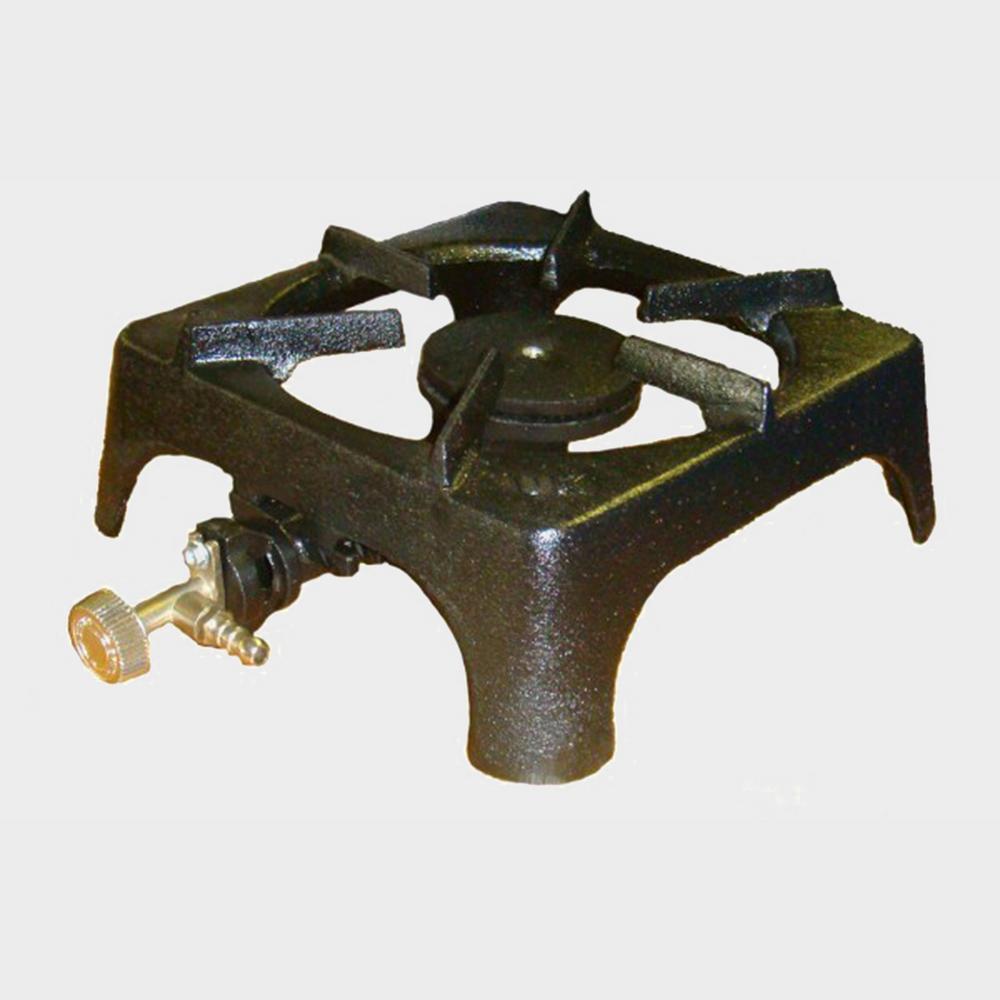
If you love the simplicity of camp cooking, a compact single burner stove can be one of the most useful bits of kit you own. From early‑morning brews to hearty one‑pot dinners, something like the Continental Single Burner has the power to turn a patch of grass into an outdoor kitchen.
Why choose a single burner stove for camping?
Single burner gas stoves hit a sweet spot for many UK campers. They’re small enough to pack easily, yet powerful enough to handle real meals instead of just instant noodles. Whether you’re car camping at a busy site or setting up a minimal base for a weekend of walking, a single burner keeps things straightforward.
The Continental Single Burner is a classic example: a compact gas stove that runs on propane or butane, with a solid output of around 2.5kW (8530 BTU/hr). It’s designed for outdoor use only, but within that remit it’s surprisingly versatile, handling pans up to 300mm in diameter and up to 8kg of liquid.
If you want a deeper dive into how it performs in real‑world conditions, you can always read our full review of the Continental Single Burner after this guide.
Key features to look for in a single burner stove
Not all single burners are created equal. When you’re comparing models on the shelf or online, it helps to know what genuinely matters and what’s just marketing fluff.
Power and flame control
Gas output is usually quoted in BTU/hr or kW. The Continental Single Burner sits at 2.5kW, which is a sensible middle ground for campsite cooking. It’s enough to boil a kettle reasonably quickly, heat sauces and fry without waiting an age for pans to warm up.
Raw power isn’t everything, though. The ability to turn the flame down for a gentle simmer matters just as much as top‑end heat. Precise adjustment helps you avoid burnt food and boiled‑dry pans, and it’s especially useful for rice, pasta and anything that needs a longer, controlled cook.
Pan support and vessel capacity
Stability is critical. With an 89mm burner diameter and a stated maximum vessel diameter of 300mm, the Continental Single Burner is clearly designed for standard camping cookware rather than huge stockpots. The height limit of 180mm and 8kg liquid capacity are also worth paying attention to if you like cooking for a crowd.
When choosing a stove, check that the pan supports are wide enough for your favourite pot or frying pan, and that they have some grip or shaping to prevent slippage. If you cook a lot of one‑pot meals, make sure your go‑to pan falls comfortably within the stove’s recommended size range.
Fuel compatibility and connections
One of the advantages of the Continental Single Burner is its ability to run on both propane and butane, giving you flexibility with cylinders and performance in different temperatures. Propane tends to work better in colder weather, while butane is fine for most milder UK camping trips.
The stove is supplied without a hose assembly, so you’ll need to source a compatible hose and regulator separately. This is common with more robust single burners and has a bonus: you can choose the hose length and regulator style that suits your gas bottle setup.
Dimensions and portability
At 240mm x 240mm x 90mm, the Continental Single Burner is compact enough to tuck into a plastic crate or camp kitchen box. It’s not a featherweight backpacking stove, but for car camping or short walk‑in pitches it’s very manageable.
When assessing portability, think about how you actually camp. If you’re driving to a campsite and only walking a few minutes to your pitch, a slightly bulkier stove is no hardship and often feels more stable under larger pans. If you’re trekking further, an ultralight burner may be more appropriate and your meals may need to be more minimalist to match.
Safe setup: getting your single burner ready to cook
Gas stoves are straightforward when used properly, but it’s worth taking a methodical approach each time you set up.
- Choose a flat, level surface. A sturdy table or a firm patch of ground keeps pots from sliding or tipping. Avoid soft grass that might sag under the weight of a full pan.
- Keep it outside. The Continental Single Burner is clearly marked “FOR OUTDOOR USE ONLY” – that applies to all similar burners. Never cook inside a tent or enclosed shelter.
- Attach hose and regulator correctly. Use a hose and regulator that match your gas cylinder and are suitable for your stove. Hand‑tighten connections, then test with soapy water for bubbles which could indicate a leak.
- Position the gas cylinder safely. Keep the cylinder upright, stable and away from direct heat. Don’t tuck it under the stove where heat can build up.
- Clear the area. Move tea towels, food packaging and spare gas canisters well away from the flame area.
Cooking well on a single burner
One burner doesn’t mean boring food. With a bit of planning you can still eat very well on site.
Plan one‑pot meals
Single burners favour simple, layered cooking. Think pasta dishes where you boil the pasta then stir through a sauce, or rice cooked with veg and spices in one pan. Curries, stews, chilli, shakshuka and simple fry‑ups all work brilliantly.
Take advantage of the Continental Single Burner’s capacity by choosing a pot that’s close to the 300mm diameter limit but still stable. This gives you enough volume to cook for two to four people without juggling lots of pans.
Stage your cooking
When you only have one heat source, cook in stages. Fry off onions, garlic and spices first, then set them aside in a bowl while you boil rice or pasta. Warm bread or tortillas in foil on the residual heat after you’ve turned the stove down.
If you like a cooked breakfast, do sausages first, then keep them warm wrapped in foil while you fry eggs in the same pan. With a cooker like the Continental Single Burner, you’ve got enough output to keep things moving without long gaps between courses.
Use lids and wind protection
Lids are one of the easiest ways to speed up cooking and save gas. Covering your pan keeps heat in, meaning water boils quicker and simmering dishes stay hot on a lower flame.
Wind is the enemy of efficient camp cooking. While the Continental Single Burner doesn’t have an integrated windshield, you can position it behind a natural barrier or use a separate folding shield, taking care not to trap heat around the gas cylinder or hoses.
Single burner vs tents and other camping kit: how it all fits together
Your stove is only one part of your camping setup. The rest of your gear – especially your tent and sleeping kit – influences how and where you cook.
If you’re camping solo with a compact shelter like a small one‑person tent, you might gravitate towards backpacking‑focused stoves. For example, the OEX Phoxx 1 II Tent is aimed at solo campers and lightweight trips, where a tiny screw‑on burner and slim gas canister make more sense than a larger single burner and full‑size cylinder.
For two people, a bit more space and comfort allows for a more substantial cooking setup. A tent like the OEX Phoxx 2 II Tent offers more floor area and vestibule room, so it’s easier to keep your stove and gas safely outside while still sheltering from drizzle under the porch. In this scenario, a stable campsite‑style single burner suits relaxed cooking sessions far better than an ultralight rig.
Your sleep system also plays a role. If you’re prioritising plush comfort with something like the HI-GEAR Comfort King Size Airbed, you’re likely car camping with space in the boot. Bringing a more solid stove like the Continental Single Burner fits that style of trip perfectly, letting you cook generous meals without worrying about weight.
Continental Single Burner: strengths and limitations in context
Looking at the Continental Single Burner specifically, a few points stand out once you consider how it will actually be used.
- Outdoor‑only design. It’s clearly labelled for outdoor use, which is ideal for UK campsites where cooking inside a tent is both unsafe and often against site rules.
- Generous pan size limits. With a maximum 300mm diameter and 8kg liquid capacity, it comfortably handles family‑sized pots within reason. This makes it well‑suited to batch cooking and hearty one‑pot meals.
- Dual‑fuel flexibility. Being suitable for both propane and butane means you’re not tied to one specific cylinder type.
- Compact footprint. Its 240mm square base is small enough for most camp tables, but still offers stability for mid‑sized cookware.
On the flip side, you’ll need to remember that the hose assembly is not included. For some campers that’s a tiny drawback, as it requires a bit of extra shopping and setup, but it also lets you customise your gas system more precisely.
Real‑world user feedback is positive, reflected in its rating of 4.2 from a small pool of reviews. To see how that translates into actual campsite performance, take a look at our detailed Continental Single Burner review once you’ve finished this guide.
Comparing alternatives: stoves vs shelter and comfort upgrades
The alternatives listed alongside the Continental Single Burner aren’t competing stoves, but they are realistic options many campers weigh up when deciding how to spend their budget.
Continental Single Burner vs OEX Phoxx 1 II and Phoxx 2 II Tents
If you’re building a kit list from scratch, you might wonder whether to invest first in shelter or cooking. The OEX Phoxx 1 II Tent and OEX Phoxx 2 II Tent are both affordable, compact tents ideal for walkers and weekenders.
Paired with a simple gas stove like the Continental Single Burner, they create a very capable setup: sleep sorted, hot food sorted, and all without a huge outlay. If you mostly camp in the warmer months and want to keep things light, prioritising a smaller tent and a basic but reliable single burner is a sensible strategy.
Continental Single Burner vs HI-GEAR Comfort King Size Airbed
Comfort on site comes down to what makes you feel most human in the morning. Some campers would rather sleep on a basic mat and have great food; others want a luxurious bed and are happy with simple meals.
The HI-GEAR Comfort King Size Airbed leans firmly into the comfort camp. If you’re a car camper who values a good night’s sleep above all else, pairing a plush airbed with a modest single burner like the Continental can give you the best of both worlds: home‑like rest and hot meals without lugging a full‑blown camp kitchen.
Care, maintenance and longevity
Look after your stove and it will reward you with years of hassle‑free cooking.
- Clean after each trip. Once cool, wipe down the burner, pan supports and body with a damp cloth. Remove any food residue that could attract rust or insects in storage.
- Protect the burner head. Keep the 89mm burner plate clear of grease and crumbs. If ports block, use a soft brush or pin to gently clear them – never enlarge the holes.
- Check hoses and regulators. Before each trip, inspect your hose for cracks and your connections for corrosion. Replace any suspect parts immediately.
- Store dry and covered. Pack the stove in a bag or box and keep it somewhere dry between trips. Avoid damp sheds or garages where condensation can build up.
Routine checks and a bit of care will keep a CE‑approved stove like the Continental Single Burner working efficiently, saving you gas and reducing the risk of problems on site.
Final thoughts
A good single burner stove is one of those unglamorous bits of camping kit that quietly makes every trip better. The Continental Single Burner offers a practical balance of power, capacity and compactness, especially for campers who favour simple, hearty meals cooked outside the tent.
If you’re weighing it up against other camping purchases, think about the trips you actually take, who you camp with and how you like to eat on site. Then dive into the linked reviews – from the Continental Single Burner itself to tents like the OEX Phoxx series and comfort upgrades like the HI-GEAR airbed – to build the camping kitchen and sleep setup that suits you best.