
Getting kids outside in all weathers is easier when you know they’re warm, dry and comfortable. A good waterproof jacket can make the difference between a joyful stomp through puddles and a soggy, cut-short outing – especially in typical British conditions.
Why a Proper Kids’ Waterproof Jacket Matters
Children feel the cold and the damp quickly, but they also generate a lot of warmth when they run, climb and explore. That makes their jackets work hard: they need to keep rain out without turning into a sweaty plastic bag.
A well-designed kids’ waterproof jacket should balance three things:
- Weather protection – rain, sleet and wind kept firmly on the outside.
- Comfort – breathable fabrics and a soft lining so they stay happy wearing it all day.
- Practical details – hoods, pockets and adjustability that actually work for busy families.
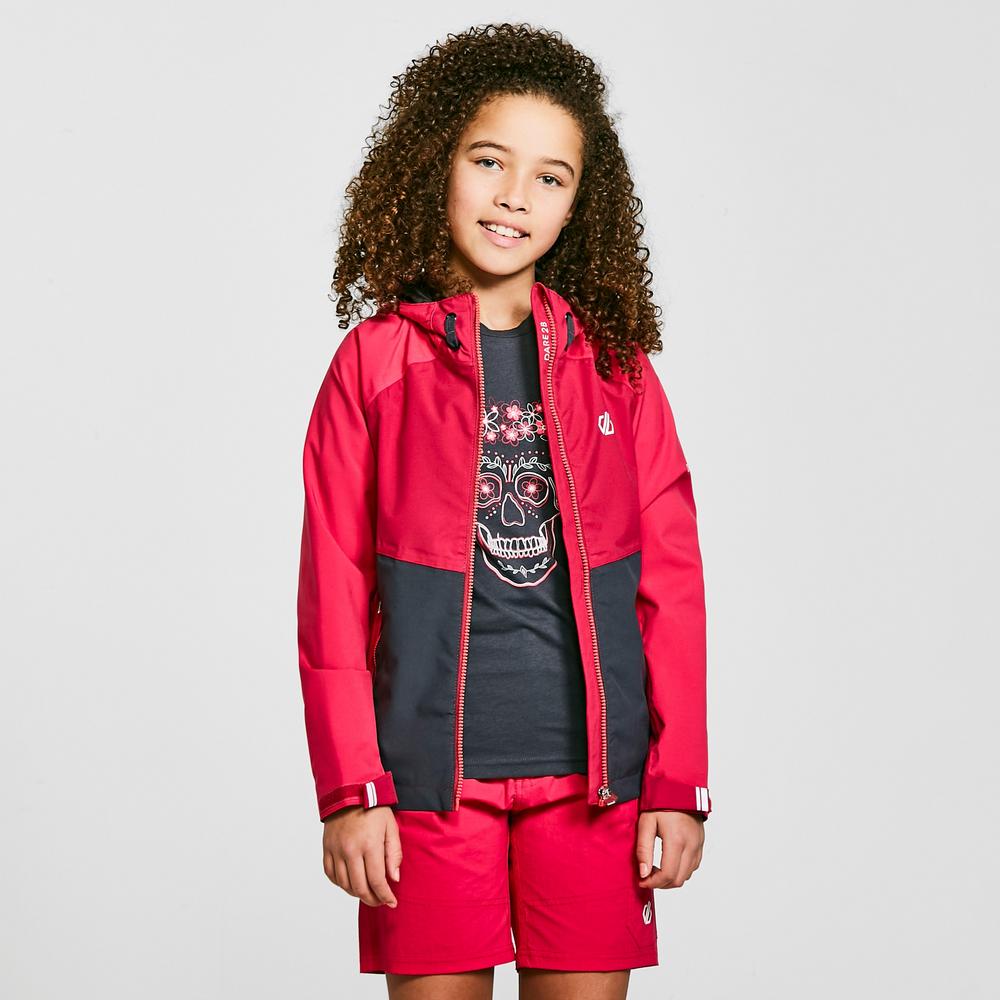
The Dare 2B Kids’ in the Lead II Jacket is a great example of a more technical option aimed at active children who might be out on the hill, on the ski slopes, or just tackling very wet school runs. It uses Dare 2b’s Ared V02 20,000 fabric and a durable water repellent (DWR) finish to give solid weather protection and breathability.
If you’d like a detailed breakdown of how it performs in real life, you can read our full review of the Dare 2B Kids’ in the Lead II Jacket. In this guide, we’ll step back and look at what to consider when choosing a kids’ waterproof, how the In the Lead II fits into that picture, and which alternatives might suit different children and budgets.
Understanding Waterproof and Breathable Ratings
When you browse kids’ jackets, you’ll see numbers and technical terms everywhere. Here’s what they actually mean in simple terms.
Hydrostatic Head and Waterproofing
Hydrostatic head (often shown as 5,000mm, 10,000mm, 20,000mm, etc.) is a measure of how much water pressure a fabric can withstand before it leaks. For most UK family adventures:
- 5,000mm – adequate for light to moderate rain and shorter spells outside.
- 10,000mm – better for prolonged wet weather and more exposed walks.
- 20,000mm and above – ideal for very wet conditions and more demanding mountain or snow use.
The Dare 2B Kids’ in the Lead II Jacket uses Ared V02 20,000 Oxford polyester fabric with a 4-way stretch, which is designed for serious wet-weather performance. That’s more than enough for most school trips and hill days, and gives peace of mind if your child is heading to the mountains or skiing.
Breathability Ratings
Breathability is measured in how much moisture vapour can pass through the fabric in a day. The higher the figure, the better it should be at letting sweat escape.
The In the Lead II has a stated breathability rating of 10,000/m²/24hrs. For an active child who loves climbing, cycling or skiing, that extra breathability helps them stay comfortable rather than clammy. It’s especially useful on milder rainy days, when overheating can be just as much of a problem as getting wet.
Key Features to Look For in a Children’s Waterproof Jacket
Beyond the headline numbers, it’s the details that make a kids’ jacket easy to live with. Here are some of the most important features, using the Dare 2B Kids’ in the Lead II Jacket as a reference point.
Hood Design That Actually Works
A hood that blows down at the first gust of wind is no help to anyone. The In the Lead II has a grown-on technical hood with a high collar and elastication, plus a roll-away function so it can be stowed when not needed.
When comparing jackets, look for:
- A snug but comfortable fit around the face.
- Some form of elastic or adjustment so it stays put.
- A decent peak or shaped front to help keep rain off glasses.
- Roll-away or stowable options if your child dislikes loose hoods.
Adjustability: Cuffs and Hem
Kids grow quickly and their activity level changes from moment to moment. Adjustable cuffs and hemlines make a jacket far more versatile. The Dare 2B Kids’ in the Lead II Jacket includes adjustable cuffs and a shockcord hem on sizes for age 7 and up, helping to seal out drafts and rain while allowing room for a midlayer underneath.
For younger children, simple Velcro cuffs and elasticated hems can be enough, but for older kids who are more independent, something easily adjusted with gloves on is a bonus.
Pockets and Everyday Practicality
Pockets can make or break a kids’ jacket. Children tend to stuff them with gloves, snacks, pebbles, and everything else they find along the way. The In the Lead II offers:
- Two zipped lower pockets – useful for cold hands and little treasures.
- An internal zip pocket with headphone port on age 7+ – handy for older kids’ phones or music players.
Think about what your child typically carries. For school, secure zipped pockets are excellent for bus passes and house keys. For days on the hill, consider whether they’ll be wearing a rucksack with a hipbelt that might cover lower pockets.
Lining and Next-to-Skin Comfort
The inside of the jacket is just as important as the outside. Part mesh, part polyester taffeta lining, like you’ll find in the In the Lead II, helps balance comfort with breathability. Mesh allows air to circulate while a taffeta section can make it easier to slide on over jumpers or fleeces.
For kids who dislike scratchy materials, a smooth lining can be the difference between a jacket they reach for and one that gathers dust in the cupboard.
Safety and Visibility
Reflective details for enhanced visibility, as featured on the Dare 2B Kids’ in the Lead II Jacket, are a simple but powerful safety feature. On darker winter afternoons, reflective trims and logos help children stand out to drivers.
If your child walks or cycles to school, or you often head out at dusk, look for jackets that build in reflectivity on the front, back and sleeves.
When a Technical Jacket Makes Sense for Kids
Not every child needs a fully-featured, high-spec waterproof. However, there are situations where stepping up to something like the In the Lead II makes a lot of sense.
- Active outdoor clubs – if your child goes hiking, climbing or orienteering with a club, they’ll spend a lot of time in the rain and wind.
- Frequent hill or mountain trips – families who regularly head to the Lakes, Snowdonia or the Highlands benefit from the extra protection and breathability.
- Skiing and snow holidays – the Ared V02 20,000 fabric and DWR coating are built with snowy, wet conditions in mind.
- Very wet local climates – some parts of the UK see serious rainfall; a higher-performance jacket can pay off quickly.
If that sounds like your family, it’s worth exploring the details in our in-depth review of the Dare 2B Kids’ in the Lead II Jacket to see how it copes with real-world adventures.
Alternatives: When a Fleece or Simpler Waterproof is Enough
Of course, not every child needs or wants a technical shell. Sometimes a cosy fleece or a simpler waterproof offers better value. Two options worth considering alongside the Dare 2b jacket are the Peter Storm Kids’ Koala Fleece and the Regatta Kids’ Calderdale II Waterproof Jacket.
Peter Storm Kids’ Koala Fleece – Warmth and Comfort First
The Peter Storm Kids’ Koala Fleece is a classic example of a midlayer that shines on cooler, dry days or layered under a shell. Fleece isn’t waterproof, but it’s very good at trapping warmth while remaining lightweight and easy to wash.
This kind of fleece works well if:
- Your child mainly needs warmth rather than rain protection.
- You already own a basic waterproof shell for very wet days.
- You want something soft and cosy for school, travel and play.
Pairing a warm fleece like the Koala with a more robust outer layer such as the Dare 2B Kids’ in the Lead II Jacket gives you a flexible, year-round system: fleece for dry chill, waterproof alone for wet mild days, and the two together for cold rain.
Regatta Kids’ Calderdale II Waterproof Jacket – Everyday Versatile Shell
The Regatta Kids’ Calderdale II Waterproof Jacket is a budget-friendly waterproof that still offers useful protection. It’s well suited to school runs, light family walks and general park adventures, especially if you’re trying to kit out children without spending a fortune.
You might lean towards the Regatta Calderdale II if:
- You need a sensible, affordable waterproof for everyday use.
- Your child doesn’t spend long hours on exposed hills or in snow.
- You’d rather save on the shell and invest more in good footwear or fleeces.
Compared with the more technical Dare 2B Kids’ in the Lead II Jacket, the Calderdale II focuses on practicality and value. It’s a solid option when serious mountain performance isn’t your priority but staying dry on the way to school definitely is.
How to Choose Between These Types of Kids’ Jackets
When you’re standing in front of a rail of colourful children’s jackets, it can be hard to know which style to pick. A few questions can quickly narrow it down:
1. Where Will Your Child Wear It Most?
- Mainly around town and school – a simpler waterproof like the Regatta Kids’ Calderdale II plus a separate fleece might be all you need.
- Regular hill walks and wet-weather adventures – look to a more technical jacket, such as the Dare 2B Kids’ in the Lead II.
- Dry but chilly days – a warm fleece like the Peter Storm Kids’ Koala Fleece is ideal, with a waterproof stashed in a bag “just in case”.
2. How Sensitive Are They to Heat and Cold?
Some children run hot and complain of overheating quickly; others feel the cold even on mild days. For the former, prioritise breathability and lighter layers – the In the Lead II’s breathable Ared fabric can help. For the latter, a cosy fleece midlayer and a jacket with room for extra layers is more important.
3. How Fast Are They Growing?
If your child is in the middle of a growth spurt, adjustability and value for money become key. A mid-priced shell like the Regatta Calderdale II, sized with a little extra space for layering, might represent the best balance. For children who will use a technical jacket for several seasons – perhaps older siblings or those who spend lots of time outdoors – investing in something more advanced such as the Dare 2B Kids’ in the Lead II Jacket can be worthwhile.
Sizing Tips for Kids’ Outdoor Jackets
Getting the right size is crucial. Too big and the jacket flaps around and lets in drafts; too small and it restricts movement and won’t accommodate layers.
- Check the size chart – use your child’s actual height and chest measurement rather than guessing by age alone.
- Test the reach – sleeves should still cover the wrists when your child reaches forward or up.
- Allow for growth – a little extra room is fine, especially with adjustable cuffs and hems like those on the In the Lead II.
- Think about layers – make sure there’s space for a fleece underneath without the jacket feeling tight across the shoulders.
Looking After Kids’ Waterproof Jackets
With a little care, a good kids’ jacket can last long enough to hand down to younger siblings. Proper maintenance also helps it perform better for longer.
- Wash infrequently but correctly – only wash when you really need to, using a specialist technical cleaner and following the care label.
- Avoid fabric softener – it can clog the fabric and damage water-repellent coatings.
- Reproof when water stops beading – if rain starts to soak into the outer fabric instead of beading and rolling off, it may be time to refresh the DWR with a suitable product.
- Dry thoroughly – hang the jacket somewhere warm (but not hot) and airy so it dries completely between uses.
The Dare 2B Kids’ in the Lead II Jacket, with its DWR finish and technical fabric, will particularly benefit from occasional reproofing to keep performance levels high.
Final Thoughts
Choosing the right outerwear for children is about matching features and performance to how they actually spend their time outdoors. A technical shell like the Dare 2B Kids’ in the Lead II Jacket offers impressive waterproofing and breathability for active adventures, while options such as the Peter Storm Kids’ Koala Fleece and the Regatta Kids’ Calderdale II Waterproof Jacket cater brilliantly for warmth, everyday use and tighter budgets.
Once you’ve narrowed down what your child really needs, it’s worth digging into hands-on experiences before you buy. To help with that, take a look at our full reviews – from the in-depth look at the Dare 2B Kids’ in the Lead II Jacket to our thoughts on the Peter Storm Kids’ Koala Fleece and the Regatta Kids’ Calderdale II Waterproof Jacket. With the right combination of warmth, waterproofing and comfort, your young explorer will be ready for whatever the British weather throws their way.