
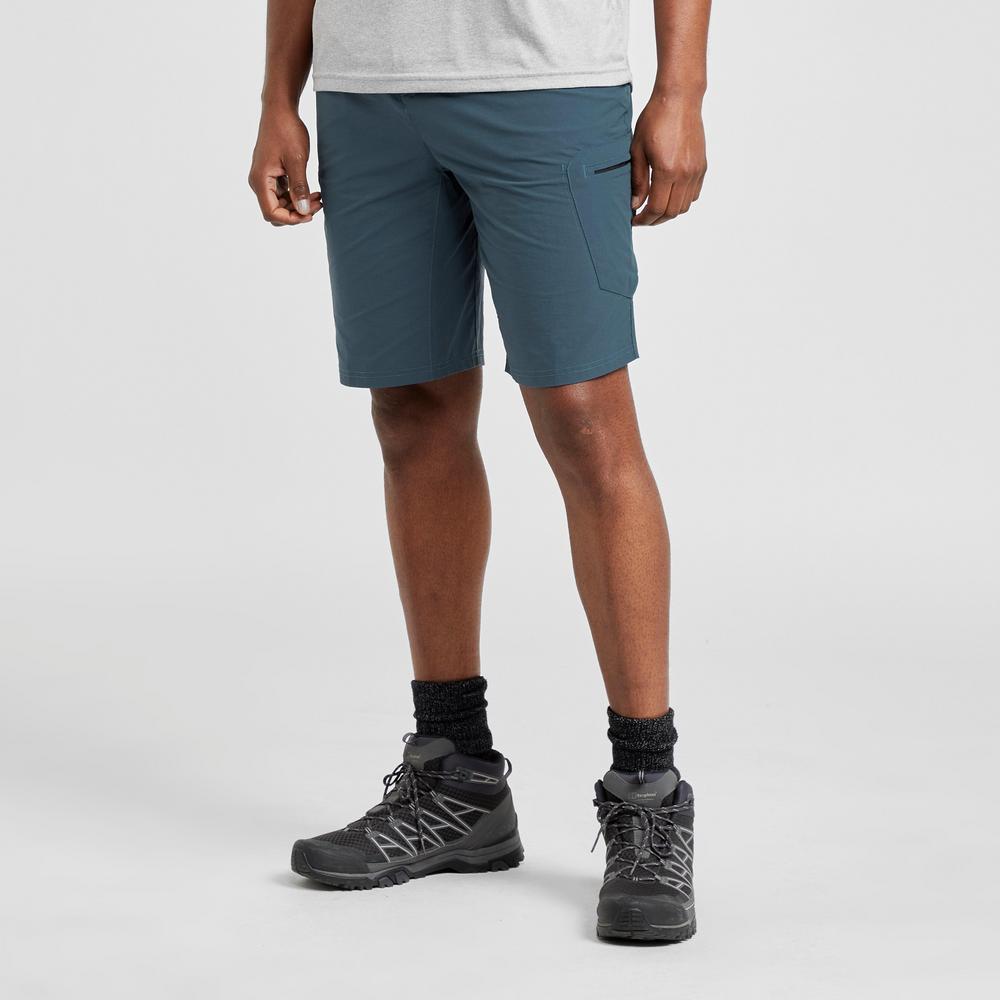
When the weather warms up, a good pair of men’s walking shorts can make the difference between a sticky slog and a genuinely enjoyable day on the trail. With so many options around, it can be tricky to know what actually matters: fabric, cut, pockets, water resistance, or just the price tag. Using the Dare 2B Men’s Tuned In II Shorts as a real-world example, this guide breaks down how to choose, fit and look after your next pair of walking shorts, and when you might want to consider an alternative style instead.
Why walking shorts matter more than you think
It’s tempting to treat shorts as an afterthought, especially in the UK where sunny walking days can feel like a bonus rather than the norm. But your shorts have to cope with sweat, showers, rough rock, overgrown paths and everything from café stops to campsite chores. Get them right and you barely notice them; get them wrong and you’ll be hitching, chafing and overheating all day.
The Dare 2B Men’s Tuned In II Shorts are a good illustration of what modern walking shorts try to do: mix stretch comfort, trail-ready durability and enough pockets to keep your essentials secure. If you want a deeper dive into how they perform, you can read our full review of the Dare 2B Men’s Tuned In II Shorts, but here we’ll treat them as a case study for what to look for in this type of kit.
Fabric choices: why stretch and synthetics win on the trail
Fabric is the backbone of any walking short. It affects comfort, durability, drying time and how they feel after a sudden shower or a river crossing.
Stretch blends for freedom of movement
The Tuned In II Shorts use a nylon/elastane stretch fabric, with a composition of 92% polyamide and 8% elastane. That small percentage of elastane is what gives them their give and recovery, allowing the shorts to move with you rather than against you when you’re stepping up onto rock, clambering over styles or crouching to adjust boot laces.
For most walkers, especially those tackling uneven or hilly terrain, a stretch blend like this is ideal. Compared with rigid cotton or pure nylon, stretch fabrics reduce that tight, pulling sensation across the thighs and seat, and they tend to hold their shape better over time.
Why synthetics beat cotton for UK walking
Polyamide (nylon) is popular in walking shorts because it’s tough, lightweight and dries quickly. In changeable British weather, that quick-drying element really counts. If you’re caught in a shower or sit on a damp bench, nylon tends to shed water faster and feel less clammy than cotton. Cotton shorts might feel soft at first, but once they’re wet they can stay heavy and cold for a long time.
If you’re planning regular hikes in the UK, especially in upland or coastal areas, look for shorts made primarily from synthetics like nylon or polyester, ideally with a little elastane for comfort.
Water repellent finishes: how much protection do you need?
The Dare 2B Men’s Tuned In II Shorts come with a water repellent finish. That doesn’t make them waterproof, but it does give them a noticeable edge in light showers or when brushing against damp vegetation.
A durable water repellent (DWR) coating encourages water to bead and roll off rather than soak into the fibres immediately. This has two benefits: the shorts feel less clammy, and they dry more quickly once the rain eases. In real terms, it’s the difference between a brief inconvenience and walking for hours in soggy, heavy fabric.
For most UK walkers, a water repellent finish is well worth having. It won’t replace a waterproof over-short or shell trouser in a proper downpour, but for drizzly days, dewy fields and wet park benches, it makes a big difference to comfort.
Getting the fit right: waist, rise and leg length
Even the best fabric won’t save shorts that simply don’t fit well. Fit is about more than just the waist size; it’s also the rise (how they sit on your hips) and the length and cut of the legs.
Waistband and adjustability
The Tuned In II Shorts use an adjustable shockcord waist alongside a classic zip fly opening. An adjustable waist is a real asset on walking shorts because your layering and body shape can change over the course of a long day or multi-day trip. A shockcord allows you to cinch in the waist slightly for a secure fit without needing a separate belt, which can sometimes dig in under a rucksack hip belt.
When trying on walking shorts, look for:
- A comfortable waistband that doesn’t dig in when you lean forwards.
- Enough adjustment to cope with a light baselayer tucked in, if you use one.
- A secure fastening – zips and buttons or press-studs are far more reliable than drawstring alone.
Leg cut and movement
The Dare 2B Men’s Tuned In II Shorts use a straight regular fit. This kind of cut suits a wide range of body shapes and tends to work well both on and off the hill. For walking and light scrambling, you want legs that are roomy enough around the thighs to allow a high step without catching or riding up, but not so baggy that they flap or snag on vegetation.
When you try on shorts, don’t just stand still in front of the mirror. Walk up some stairs, kneel, squat slightly and step up as if onto a rock. If the fabric pulls tight across the thighs or seat, you may need a different cut or size.
Pockets and practicality: carrying the essentials
Pockets are easy to overlook until you’re halfway up a hill with nowhere safe to stash your keys or bank card. The Tuned In II Shorts are designed with multiple pockets, including zipped pockets, which is exactly what you should be looking for in walking shorts.
For day walks and general outdoor use, aim for:
- Two hand pockets for quick access bits like snacks or a small multitool.
- At least one zipped pocket for keys, cards or cash.
- Optional thigh or cargo pockets if you like to keep a phone or compact map within easy reach.
Remember that heavily loaded pockets can affect comfort and movement, especially on steeper ground. Treat pockets as a supplement to your daypack or waist pack, not a complete replacement.
Styling and versatility: trail to town
Many walkers want shorts that can pull double duty: something you can wear on the hill, in the campsite and down the pub without feeling like you’re in pure technical kit. The Tuned In II’s straight regular fit and neutral Orion Grey colour make them easy to pair with a range of tops and footwear.
If you like your kit to be versatile, look for:
- Neutral or muted colours that pair easily with different tops.
- A simple, clean design without excessive branding or loud prints.
- A fit that’s relaxed enough for casual wear but not so baggy that it feels sloppy.
That way, one pair of shorts can serve for hiking, travelling, campsite evenings and everyday wear in warm weather.
Pairing your shorts: tops and layering options
Shorts don’t exist in isolation; what you wear up top can make a big difference to how comfortable you feel overall. A good example of a versatile pairing is a technical long sleeve shirt.
The Regatta Men’s Loran Long Sleeve Shirt is a classic case of this: a long sleeve design that can be rolled up when it’s hot, but gives you extra protection from sun and insects when needed. Worn with a pair of stretch walking shorts, you get a combination that works for everything from coastal paths to city breaks and long driving days between adventures.
On cooler days, you can layer a lightweight fleece or windproof over the top without needing to change your shorts, making this sort of outfit extremely adaptable for spring, summer and early autumn.
Care and maintenance: keeping your walking shorts performing
Technical walking shorts don’t need complicated care routines, but a few simple habits will help them last longer and keep their water repellent finish working well.
- Wash according to the label: usually a cool or moderate wash, with similar colours.
- Avoid fabric softeners: they can clog the fibres and reduce breathability and water repellency.
- Dry gently: air dry where possible, or use a low tumble setting if allowed; a little heat can revive the DWR finish.
- Reproof when needed: if water stops beading on the surface, use a spray-on or wash-in reproofing product designed for technical fabrics.
Look after them in this way and a pair like the Dare 2B Men’s Tuned In II Shorts should stay comfortable and capable season after season.
Who the Dare 2B Men’s Tuned In II Shorts suit best
With their nylon/elastane stretch fabric, water repellent finish, adjustable shockcord waist and multiple pockets, the Tuned In II Shorts are well suited to walkers and outdoorsy types who want reliable performance without spending a fortune. They lend themselves to:
- Day walks in mixed UK conditions.
- Camping and car-based adventures.
- Travel and general summer wear where quick drying and pockets are handy.
If you’re curious about how they fare in real-world use, it’s worth taking a look at our hands-on impressions – you can read our detailed review of the Dare 2B Men’s Tuned In II Shorts here.
Comparing alternatives: when might you choose something different?
While the Tuned In II Shorts tick a lot of boxes, there are times when you might prefer a different style or even a different garment entirely.
When you want more coverage up top
If your shorts are sorted but you’re undecided about what to wear on your upper half, a technical long sleeve shirt like the Regatta Men’s Loran Long Sleeve Shirt can be a smart choice. Long sleeves give you extra protection from the sun and biting insects without necessarily making you hotter, especially if the shirt is made from lightweight, breathable fabric.
Shirts like this often feature buttoned chest pockets and roll-up sleeves, which pair well with the secure pockets on performance shorts. Together, they create a flexible outfit for multi-day trips, where you want to stay presentable in town but ready for a path the moment you find one.
When conditions turn colder or wetter
Even the best walking shorts have their limits. If you’re heading into high, exposed terrain or a forecast that screams heavy rain and wind, you’ll probably want to add a pair of lightweight waterproof overtrousers, or swap shorts for full-length walking trousers entirely. Shorts like the Tuned In II can still pull their weight here, working as your main legwear during dry spells and around camp.
When style or specific features matter more
Some walkers prefer a shorter or longer leg, a slimmer or baggier fit, or specific features like built-in belts, gusseted crotches or reinforced panels. If that sounds like you, use the features of the Tuned In II as a checklist, then decide where you want to deviate: perhaps more cargo storage, a different colour palette, or a shorter inseam for hotter climates.
How to build a small, effective warm-weather kit
If you’re trying to keep your wardrobe lean but capable, think in terms of a mini-system:
- One or two pairs of technical shorts – like the Dare 2B Men’s Tuned In II Shorts for walking and travel.
- A technical long sleeve shirt – such as the Regatta Men’s Loran Long Sleeve Shirt, for sun protection and smarter looks.
- Two or three moisture-wicking T-shirts – for base comfort in warm weather.
- A light fleece or windproof layer – for cooler evenings and breezy summits.
With a small combination like this, you can handle everything from a quick local walk to a week-long camping trip, without overpacking.
Final thoughts
Choosing men’s walking shorts doesn’t have to be complicated. Focus on a comfortable stretch fabric, a practical cut, a few well-placed zipped pockets and a useful water repellent finish, and you’ll be most of the way there. The Dare 2B Men’s Tuned In II Shorts show how those elements can come together in an affordable, do-it-all package, while pieces like the Regatta Men’s Loran Long Sleeve Shirt help round out a versatile warm-weather outfit.
If you’re still weighing up your options, take a closer look at how these garments perform in real use: start with our in-depth review of the Dare 2B Men’s Tuned In II Shorts and then explore the detailed write-up of the Regatta Men’s Loran Long Sleeve Shirt to build a kit that works for your walks, your budget and your style.