
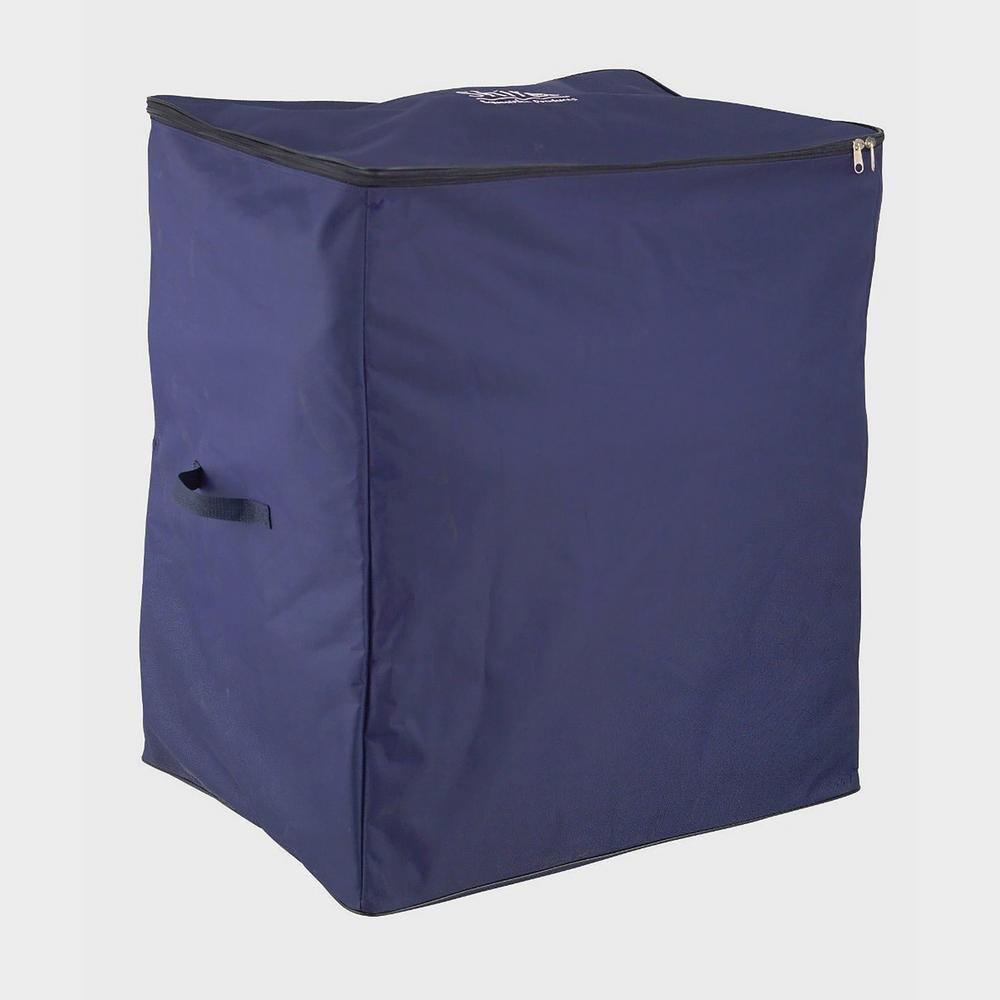
Few things make a yard feel more chaotic than a pile of muddy rugs slumped in the corner of the tack room. A simple, well-designed rug storage bag can transform that chaos into a tidy, organised system that protects your horse rugs and saves you time every time the weather changes. The Shires Rug Storage Bag is a straightforward, practical option that proves you don’t need anything fancy to get your rug storage sorted.
Why rug storage matters more than you think
Horse rugs are a big investment, especially if you have different weights for every season and a mix of turnout, stable and fleeces. Leaving them in a heap on the floor or hanging half-folded over a door does them no favours. Dirt, damp and rodents all shorten the life of your rugs, and it’s always the one you need that ends up buried at the bottom of the pile.
A dedicated rug storage bag helps you:
- Keep rugs clean between uses
- Protect them from damp and stable dust
- Organise by weight or horse so you can find the right rug quickly
- Transport rugs neatly between home, yard and shows
The Shires Rug Storage Bag is designed with these everyday realities in mind, with simple but effective features that suit busy horse owners.
Inside the Shires Rug Storage Bag
The Shires Rug Storage Bag focuses on the basics done well. It’s not overcomplicated or fiddly – it’s the sort of yard gear you can pack, zip and stack even when you’re in a rush between feeds and mucking out.
Key features at a glance
- Dedicated rug storage bag
- Keeps rugs clean when not in use
- 3/4 zipped lid for easy access
- Wipe-clean material
- Reinforced edges for structure and durability
- Small size holds approximately 2 rugs
- Large size holds approximately 5 rugs
The 3/4 zipped lid is particularly useful. It opens wide enough that you can fold and layer rugs neatly inside without wrestling them through a narrow opening, but it still closes securely so dust and shavings are kept out. Reinforced edges mean the bag holds its shape better when you’re filling or stacking it, instead of collapsing in on itself.
If you’d like to know how it performs in day-to-day use on the yard, you can read our full review of the Shires Rug Storage Bag for a detailed hands-on verdict.
Choosing the right size and capacity
The Shires Rug Storage Bag comes in two sizes: small and large. Which one you choose depends on how many rugs you want to keep together and how bulky they are.
Small bag – best for essentials
The small version is designed to hold around two rugs. It’s ideal if you want to:
- Keep a turnout and a stable rug together for one horse
- Store competition-only rugs separately from everyday ones
- Use the bag for travel, with just the rugs you need for a show
Large bag – best for multiple rugs or multiple horses
The large Shires Rug Storage Bag holds roughly five rugs, depending on thickness. It’s a good option if you:
- Have several rug weights for one horse and want them all in one place
- Share rugs between two similar-sized horses
- Like to pack away all your winter rugs together for summer (or vice versa)
Remember that heavyweight winter turnouts take more space than thin fleeces or coolers. If most of your rugs are chunky, you may want to slightly downgrade the stated capacity and allow for more breathing room inside the bag.
How to organise your rugs using storage bags
Getting the most from any rug storage bag is as much about your system as the bag itself. A tidy tack room starts with a plan.
Sort by season and weight
A simple way to organise is to sort by rug weight and season. For example:
- Bag 1: Lightweight turnouts and sheets
- Bag 2: Mediumweights and stable rugs
- Bag 3: Heavyweight winter rugs
- Bag 4: Fleeces, coolers and show rugs
Label each Shires Rug Storage Bag with a permanent marker and tape, or use luggage tags attached to the carry handles. That way, when the weather changes, you’re not opening every bag to find the right weight.
One horse per bag vs mixed bags
If you have multiple horses, you can either:
- Give each horse their own bag (or bags), with all their rugs stored together
- Group rugs by type, keeping all lightweights in one bag and so on
For yards with liveries or lots of different rug sizes, one-bag-per-horse usually works best. For a smaller set-up with just one or two horses, grouping by rug type is often more efficient.
Preparing rugs for storage: a quick checklist
To get the full benefit of a storage bag, make sure your rugs go in clean and dry. A few simple steps can dramatically extend the life of your kit.
- Check for damage: Before washing, look for tears, broken buckles or damaged straps and set aside any rugs that need repair.
- Brush off loose hair and mud: This makes washing more effective and stops bits clogging your machine or rug-wash service filters.
- Wash according to the care label: Use appropriate rug wash and reproofing treatments for turnout rugs where needed.
- Dry thoroughly: Rugs must be fully dry before going into a Shires Rug Storage Bag; even a slightly damp corner can lead to mildew.
- Fold neatly: A consistent folding method makes it easier to fit several rugs in one bag and keeps the bag looking tidy.
Keeping your tack room tidy: pairing rug bags with other kit
Once your rugs are sorted, other bits of riding kit quickly follow. Rug storage bags sit neatly alongside boots, stirrups and riding wear, creating a more organised space.
For example, once your rugs are bagged and stacked, you can dedicate a lower shelf or adjacent area to boots. Protective boots like the Arma Tendon Boots benefit from being stored clean and dry, ideally in a breathable boot bag or on a designated shelf, so sand and arena surface don’t grind into the straps between uses.
Similarly, think about where your stirrups live. Sturdy irons such as the Shires Fillis Stirrup Irons are much easier to grab when they’re kept on a clearly labelled hook or in a dedicated gear crate, rather than buried under rugs and saddlecloths.
Comfort for the rider: organising chaps and jodhpurs
Tack-room organisation isn’t only about the horse. Rider gear tends to multiply just as quickly, and it’s worth giving it as much thought as your rugs. A clear system also stops you buying duplicates simply because you can’t find what you already own.
Store half chaps like the Moretta Adults Amara Half Chaps Black or the Moretta Adults Amara Half Chaps Brown hung by their zips or folded in a labelled box so they keep their shape and stay together as pairs. Lightweight, synthetic chaps tend to be low-maintenance but can still pick up arena dust and hair, so keeping them off the floor is a good habit.
Everyday riding wear such as jodhpurs also deserves a proper home. A simple plastic crate or drawer for breeches, including staples like the Wessex Ladies Jodhpurs Beige, means you’re not scrambling through piles of clothes on dark winter mornings. Grouping your riding kit by type and season mirrors the approach you take with your rugs and makes getting ready much quicker.
Comparing the Shires Rug Storage Bag with other yard essentials
While the Shires Rug Storage Bag isn’t directly comparable to boots, stirrups or chaps in terms of function, it slots into the same category of yard essentials that quietly make your riding life easier. Here’s how it stacks up in terms of usefulness and value.
Everyday practicality
- Shires Rug Storage Bag: Keeps bulky rugs neat and clean; ideal for seasonal swaps and stacking.
- Arma Tendon Boots: Protect your horse’s legs during schooling or jumping; need regular cleaning and organised storage.
- Shires Fillis Stirrup Irons: A solid, reliable stirrup option that benefits from being stored safely to avoid scratches and tangles.
Each of these products solves a different, everyday problem: the rug bag tackles clutter and dirt, tendon boots reduce the risk of knocks and scrapes, and stirrups contribute to safe, secure riding. Investing in simple, durable designs across your tack room tends to pay off over time.
Value for money and longevity
A storage bag may not be as exciting as a new pair of jodhpurs or smart half chaps, but it can help your more expensive items last longer. Neatly stored rugs are less likely to be chewed, muddied or mildewed, which means fewer emergency replacements.
Meanwhile, gear you wear or fit to the horse, such as the Moretta Amara half chaps or Wessex jodhpurs, will last longer if they’re kept clean, dry and properly stored when not in use. That’s why thinking about storage, from rug bags to boot racks, is part of the bigger picture of getting good value from all your kit.
Tips for getting the most from your Shires Rug Storage Bag
Once you’ve added a Shires Rug Storage Bag to your tack room, a few small habits will keep it working hard for you.
- Use it consistently: Try to put rugs back in the bag as soon as they’re fully dry, instead of leaving them draped over doors for days.
- Don’t overfill: Stuffing too many rugs in can strain the zip and seams; stick roughly to the 2-rug or 5-rug guidance.
- Keep the outside clean: A quick wipe keeps the outer fabric looking smart and avoids transferring grime onto stored rugs.
- Check zips regularly: Brush out any embedded hairs and avoid yanking the zip if it catches – gentle back-and-forth usually frees it.
- Store off the floor: Place the bag on a shelf or pallet to avoid damp creeping up from concrete floors.
Because the material is wipe-clean, it suits the realities of a working yard where dust and splashes are unavoidable. Regular light maintenance will help the reinforced edges and handles stay in good condition, even with frequent use.
When a rug storage bag might not be enough on its own
There are times when a rug storage bag is only part of the solution. If you’re dealing with very limited space or damp buildings, you may need to combine it with other tactics.
- Damp tack rooms: Consider a dehumidifier or choosing the driest, most ventilated corner for storing your bags.
- Rodent-prone barns: Raise rug bags off the floor and check for any signs of chewing; avoid storing treats or feed in the same area.
- Very large rug collections: Use multiple Shires Rug Storage Bags and a clear labelling system so you’re not constantly unpacking and repacking.
For most riders, though, a simple set of well-labelled rug bags is a big step up from the usual cluttered corner.
Bringing it all together
Good rug storage is about more than just neat shelves – it’s a way to protect your investment in quality horse rugs and make your day-to-day routine smoother. The Shires Rug Storage Bag offers a practical, wipe-clean, reinforced solution that’s easy to integrate into any tack room, whether you opt for the small two-rug version, the larger five-rug option, or both.
If you want a closer look at how it copes with real-world yard life, be sure to read our full Shires Rug Storage Bag review, and explore the linked reviews of boots, stirrups, half chaps and jodhpurs to help you build a well-organised, long-lasting kit collection.