
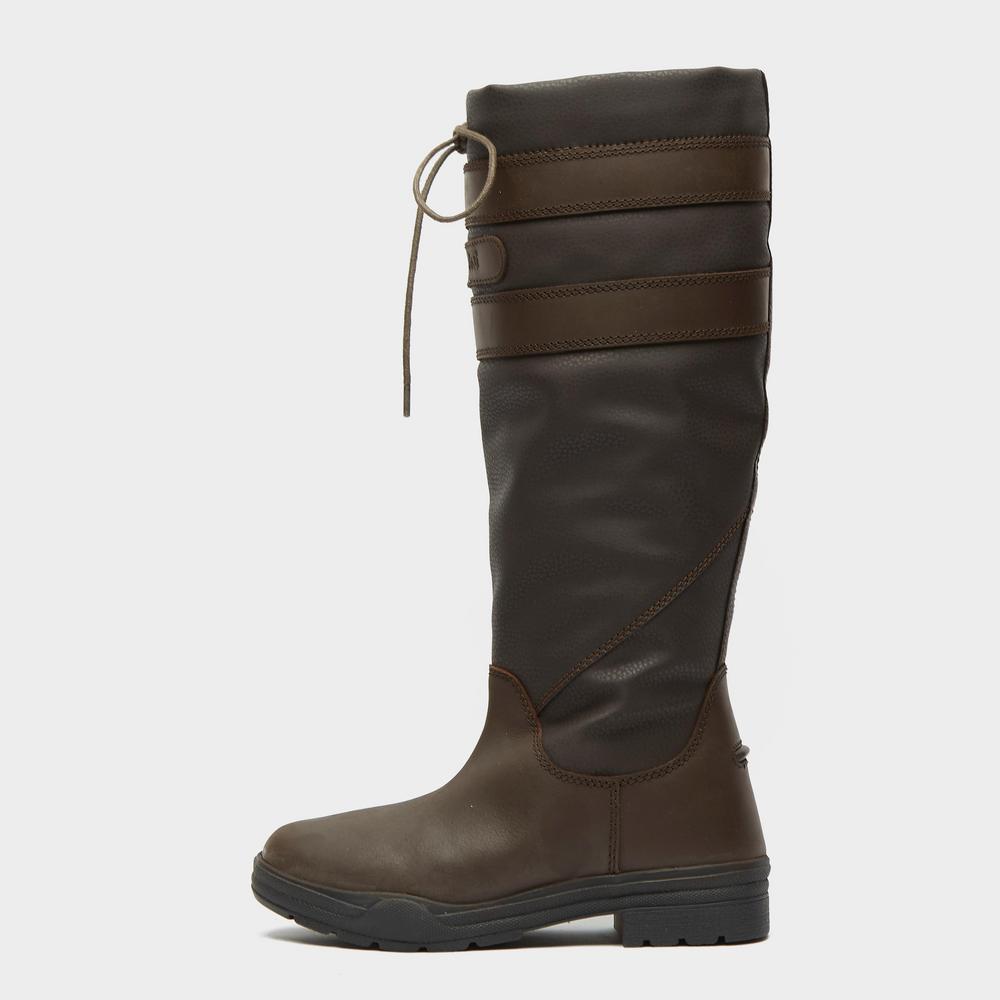
A dependable pair of country boots can make everyday time around horses more comfortable, whether you are walking to the field, tackling yard jobs or heading out on a damp morning. The right choice involves more than picking a size: calf fit, sole shape, waterproofing and care all deserve attention. This guide uses the Brogini Women’s Longridge Country Boot as a starting point to help you choose and look after tall equestrian footwear.
What to look for in a country boot
Begin with the jobs you expect your boots to do. A pair worn mainly for walking around the yard needs to feel comfortable on foot and provide reassuring grip. If you also intend to ride, check that the manufacturer considers the model suitable for riding and that its sole and heel work safely with your stirrups.
Think about the seasons, too. You may want room for a thicker sock in cold weather, but too much space can allow your foot to move and rub. A tall boot should also sit comfortably around your calf without restricting movement when you walk or bend your knee.
The Longridge combines a dark brown nubuck leather foot with a soft, flexible synthetic leather calf. It also has a waterproof membrane, moisture-wicking mesh lining and a non-slip rubber sole. For more detail on the model, visit our Brogini Women’s Longridge Country Boot review.
Getting the right fit
Start with your usual socks
Try boots on later in the day, when your feet may be slightly larger than first thing in the morning. Wear the socks and trousers or breeches you would normally choose for the yard. If you plan to wear thick winter socks, try those as well rather than assuming they will fit inside the same size.
Stand up and check that your toes can move. Walk on a clean indoor floor and notice whether your heel lifts excessively or any part of the boot presses uncomfortably. Some movement can be normal in a tall boot, but persistent rubbing or pinching is a reason to reassess the size or shape.
Check calf width and boot height
Measure around the widest part of your calf while wearing the clothing you expect to tuck into the boot. Compare the measurement with the manufacturer’s sizing information where available. A boot that feels manageable when standing can feel quite different when you bend your knee or crouch.
Check where the top sits at the back of your leg. It should not dig into the back of your knee when you move. If possible, try both boots: small differences between your feet and legs can affect the fit.
Allow for the materials
The Longridge’s nubuck foot is described as moulding to the foot for comfort, while its synthetic calf is intended to be easy to clean. Even so, don’t rely on a boot changing shape enough to fix a poor initial fit. It should feel comfortable when you try it, without obvious pressure points.
Waterproofing, lining and wet-weather use
The Longridge has a waterproof membrane lining the whole boot. This is designed to help keep external moisture out, which is useful when damp grass, rain and muddy gateways are part of the day. A membrane is not a reason to assume that water cannot get inside: it can enter over the top, for example.
The moisture-wicking mesh lining has a different role. It is intended to help manage perspiration inside the boot, rather than serving as a substitute for the waterproof membrane. Socks matter here as well; choose a pair that feels comfortable against your skin and change them if they become damp.
After a wet outing, wipe the boots down and let them dry naturally in an airy place. Avoid putting them directly against a radiator or other strong heat source. If the inside is wet, remove any loose insole if the boot has one and the care instructions permit it, then allow both parts to dry separately.
Choosing a sole for yard work and riding
Yard surfaces can change quickly, from wet concrete to churned-up mud. The Longridge has a non-slip rubber sole, but no footwear can promise grip on every surface. Walk carefully on slippery ground and pay attention to mud or bedding collecting in the tread.
For riding, check the manufacturer’s intended use before choosing any country boot. A boot needs to work safely with the stirrup: its sole and heel should be appropriate for riding, and the boot should not be too wide or bulky for the stirrup. If you are unsure, ask a qualified riding instructor or experienced tack fitter to help you check the combination.
Inspect the sole and heel regularly for wear, particularly before riding. Replace footwear when damage or worn tread makes it unsuitable for its intended use.
How to care for nubuck and synthetic panels
Because the Longridge uses different materials for the foot and calf, treat each area according to its material and the manufacturer’s care instructions. A single product intended for smooth leather is not automatically suitable for nubuck or synthetic leather.
- Remove loose dirt: Let mud dry, then gently brush it away. Use a brush suitable for nubuck on the leather foot.
- Clean the calf: Wipe the synthetic section with a soft, slightly damp cloth, following the boot’s care guidance.
- Choose suitable treatments: If using a cleaner or protector, check that it is appropriate for the material and test it on an inconspicuous area first.
- Dry naturally: Keep the boots away from direct heat and give them time to dry before storage.
- Store thoughtfully: Keep them in a dry, ventilated place, away from prolonged direct sunlight.
A quick clean after muddy use is easier than dealing with a thick build-up later. Avoid soaking the boots unnecessarily, and check the label before applying any waterproofing or conditioning treatment: some products can change the appearance or texture of nubuck.
Related equestrian equipment: what to compare
Boots are just one part of an equestrian kit. The products below serve different purposes and are not substitutes for the Longridge; they are useful starting points if you are also considering clothing or tack. Choose each item for its own job rather than treating a shared horse-riding category as a sign that products are interchangeable.
Breastplate and bridles
The Salisbury 5 Point Breastplate is tack rather than footwear. If you are considering a breastplate, seek advice on its intended use, adjustment and fit for your horse and saddle.
For bridle shoppers, the Velociti Grackle Bridle in Black and Velociti Grackle Bridle in Havana are two colour options to explore. The Velociti Dressage Flash Bridle in Black offers a different bridle style. Fit and the horse’s needs are more important considerations than colour; consult a knowledgeable professional if you are unsure which configuration to choose.
Children’s riding clothing
The Aubrion Kids’ Saratoga Tweed Jacket is children’s clothing, not an alternative to adult country boots. When choosing a jacket, check the size guide, allow for the layers intended underneath and consider any clothing rules for the activity or event.
Making a practical buying decision
Before ordering country boots, make a short list of your priorities: comfortable foot and calf fit, the type of ground you walk on, protection from wet conditions and whether you need a boot suitable for riding. Check the available size guidance and returns policy, and allow time to try the boots indoors.
For the Longridge specifically, weigh its nubuck foot, easy-care synthetic calf, waterproof membrane and moisture-wicking lining against those priorities. The current price and available sizes are also worth checking before you decide. A comfortable fit and appropriate use matter more than choosing on appearance alone.
Ready to explore further? Read the Longridge country boot review and follow the related equipment links above to help plan the rest of your equestrian kit.