
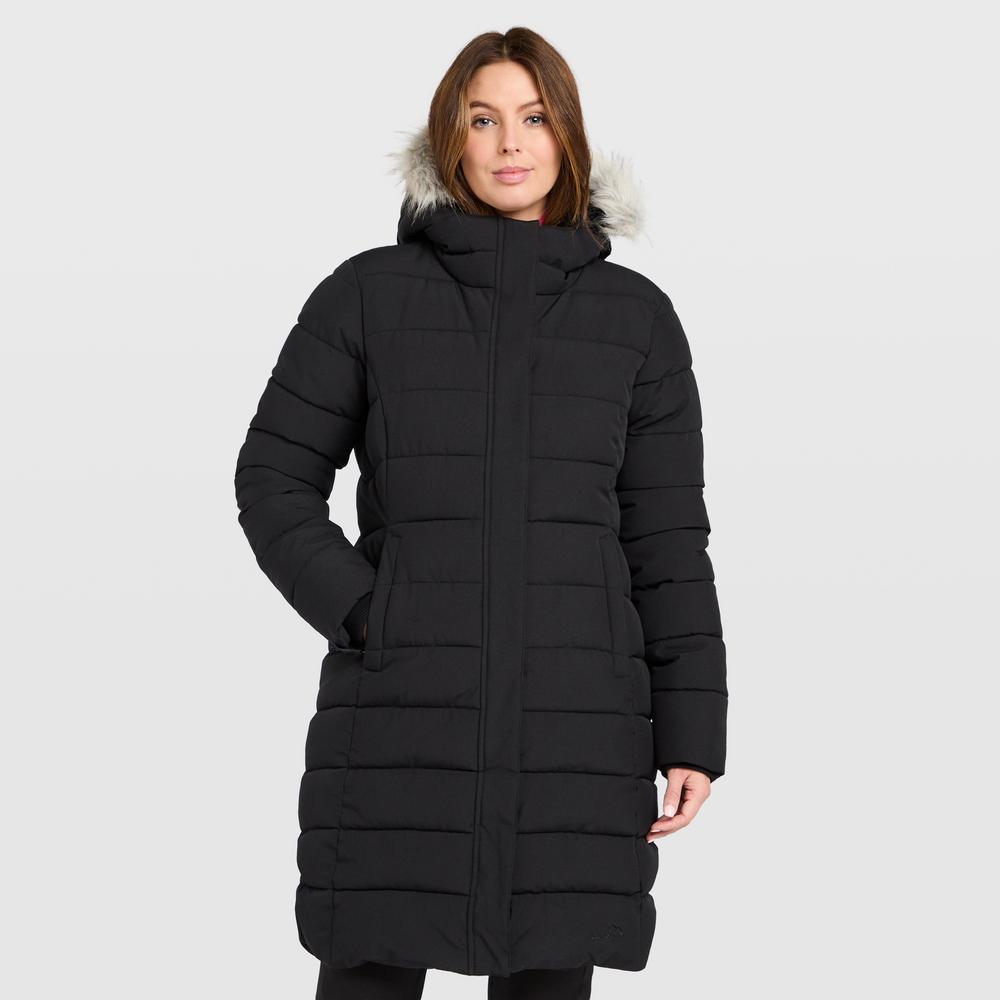
A winter coat has a lot to do: keep you comfortable on cold walks, fit over your everyday layers and offer useful protection when the weather turns. The Peter Storm Women’s Luna Parka is one option to consider if warmth and everyday practicality are high on your list. Here is how to assess its features, choose a comfortable fit and decide what else you might need for a British winter.
What to look for in a women’s winter parka
Start with how you plan to use your coat. A parka for a chilly commute or a gentle dog walk has different demands from a lightweight shell for a steep, wet hill walk. Think about how long you will be outside, how quickly you warm up when moving and whether you need protection from frequent or prolonged rain.
The Luna Parka combines polyester wadding with a microfleece lining and a water-repellent finish. Its hood, storm flap, cuffs and pockets add details worth considering for everyday cold-weather use. You can explore the Peter Storm Women’s Luna Parka review alongside the buying advice below.
Insulation and warmth
The Luna uses 500g polyester wadding distributed in baffles, with a microfleece lining for added comfort. The insulation figure describes the wadding specified for this coat; it is not a temperature rating or a promise of how warm every wearer will feel.
Personal warmth depends on the conditions, your activity level and what you wear underneath. For example, you may appreciate a substantial coat while waiting outdoors, but prefer fewer layers when walking briskly. Think about both situations before choosing your size and clothing combination.
Small details that matter
Features are most useful when they match your routine. The Luna Parka includes:
- A faux-fur-trimmed hood for additional coverage around the head.
- A full front zip with a stud-closure storm flap.
- Inner ribbed cuffs to provide a closer fit at the wrists.
- Two zipped pockets for keeping small items more secure.
Check that you can comfortably use the zip, studs and pockets while wearing the coat. If you regularly carry gloves, keys or a phone, consider where you will put them before heading out.
Water-repellent or waterproof: know the difference
The Luna has a durable water-repellent finish, often shortened to DWR, which is intended to help it shrug off light showers. DWR encourages water to bead on the fabric surface, but it is not the same thing as a waterproof membrane or a guarantee against rain getting through.
For a short trip where a passing shower is the main concern, water repellency may be enough for your plans. If the forecast suggests persistent rain, consider a garment specifically described as waterproof and check its construction, including whether the seams are sealed. An umbrella can also be a practical addition for everyday journeys when conditions allow.
Water-repellent finishes can become less effective with use and dirt. Cleaning according to the care label may help restore surface performance; if it does not, consider a suitable reproofing treatment. Do not assume reproofing will turn a water-repellent parka into a fully waterproof coat.
How to find the right parka fit
Use the brand’s current size guide as a starting point, then think about the layers you are likely to wear most often. A coat that fits neatly over a thin top may feel restrictive over a sweatshirt or fleece. Equally, excess space can make a coat feel cumbersome for everyday use.
When trying on a parka, zip it up and move as you would outside. Reach forward, raise your arms and sit down. Pay attention to the shoulders, upper arms, chest and hips, as well as whether the cuffs feel comfortable over your sleeves.
Length is a personal choice: consider how much coverage you want and whether the coat feels comfortable when walking or getting into a car. If buying online, check the retailer’s sizing and returns information before ordering, especially if you are between sizes.
Layering for cold-weather walks
Layering lets you adjust your clothing to the day rather than relying on one fixed outfit. A comfortable base layer sits next to the skin, while a mid-layer such as a fleece or sweatshirt can add warmth. The parka then provides the outer layer for cold conditions.
For a brisk walk, start with enough clothing to feel comfortable without immediately overheating. If you become too warm, pause somewhere sheltered and adjust your layers. For a slower outing or time spent standing still, you may want an extra layer underneath.
Remember the rest of your outfit too. Gloves, a hat and suitable footwear can make a cold walk more comfortable, while the right trousers depend on the activity and forecast. If wet weather is likely, think about protection for your legs as well as your upper body.
Choosing clothing for different activities
The following pieces are related clothing rather than direct alternatives to the Luna Parka: none is another insulated outer coat. They may help you plan an outfit for a different activity or choose a layer to wear beneath a coat. Check fit and current product details before deciding.
A mid-layer for everyday warmth
The Sweaty Betty Peaceful Rib Half Zip Sweatshirt is a sweatshirt to consider when you want an additional layer, rather than a replacement for a winter parka. If wearing it under a coat, check that the combined layers feel comfortable around the shoulders and arms.
Casual trousers and leggings
For a relaxed outfit, the Sweaty Betty Women’s Sand Wash CloudWeight Track Trousers are a different clothing choice for your lower half. Consider the fit and the conditions in which you plan to wear them, particularly if you expect cold or wet weather.
The Sweaty Betty Women’s Power Gym Leggings are another option to explore for gym clothing, while the Sweaty Betty Women’s All Day 7/8 Leggings offer a different length to consider. Neither pair replaces the coverage of a coat; choose legwear according to your activity, preferred fit and the weather.
A top for running
The Sweaty Betty Women’s Breathe Easy Running Long Sleeve Top serves a different purpose again: it is a running top, not an insulated parka. If you plan to wear it as part of a layered outfit, check that each garment fits comfortably when worn together.
How to care for a padded parka
Good care starts with the label inside the garment. Follow its instructions for washing, drying and any restrictions on detergents or treatments. This is particularly important for a coat combining insulation, a lining, a water-repellent finish and a faux-fur trim.
Before washing, empty the pockets and close the fastenings as directed on the label. Check whether the trim needs any special attention, and avoid assuming it can be removed or cleaned separately. Use a product suitable for the garment and follow the recommended amount.
Dry the coat according to its instructions and make sure it is completely dry before putting it away. Store it in a cool, dry place without leaving the insulation tightly compressed for long periods. A little routine care can help keep your coat ready for the next cold spell.
Make your choice around your routine
For everyday winter wear, weigh the Luna’s insulation and practical details against the weather you expect. Its DWR finish is relevant for light showers, while a dedicated waterproof may be the better thing to investigate if prolonged rain is a priority. Fit, room for layers and ease of movement are just as important as the feature list.
Ready to narrow down your choices? Explore the Luna Parka review and the linked clothing reviews above to plan an outfit that suits your activities.