
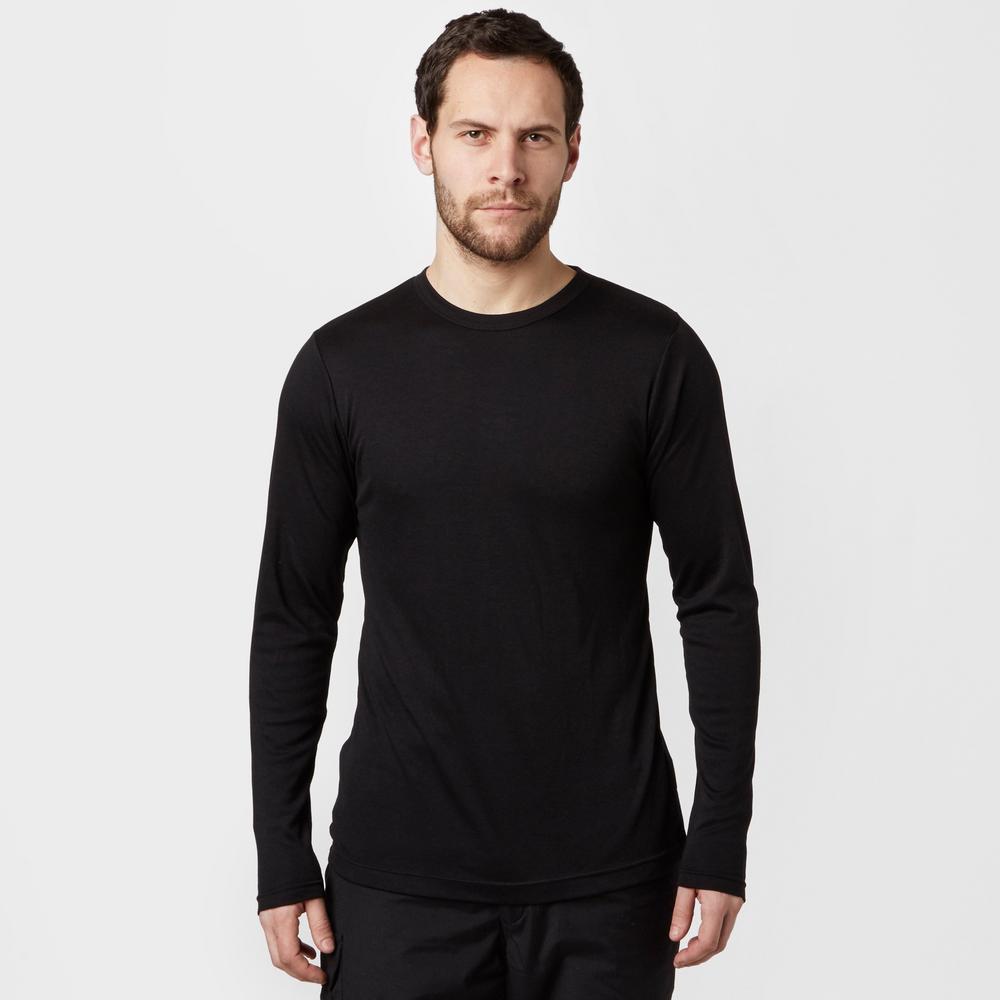
A good thermal top is a useful starting point for cold-weather clothing, whether you are planning a winter walk, getting ready for a ski trip or heading out for an outdoor workout. The Peter Storm Men’s Thermal Long-sleeve Crew Neck Top offers a close-fitting, long-sleeved design intended to be worn as a base layer or on its own. This guide explains how to judge the fit, build a practical layering system and care for a thermal top between outings.
What to look for in a men’s thermal base layer
A base layer is the clothing worn closest to your skin. Its job is to work with the rest of your outfit: it should feel comfortable, allow you to move and fit underneath additional layers without excessive bunching.
Warmth matters, but so does the activity you have planned. A gentle walk with regular stops may call for more insulation than a brisk workout. Weather, wind exposure and how easily you get cold also affect what you need, so think about the whole outfit rather than looking for one top to do everything.
The Peter Storm thermal crew neck review is a useful starting point if you want to explore this particular top alongside the general advice below.
Understanding the Peter Storm thermal top
The Peter Storm Men’s Thermal Long-sleeve Crew Neck Top is designed with thermal insulation, a close fit and a stretch construction. Its long sleeves provide coverage, while the crew neck offers a simple neckline for wearing under a jumper or jacket.
The stated fabric is 65% polyester and 35% viscose, and the listed colour is black. The top is described as suitable for layering under a thicker jumper and waterproof jacket for skiing, or for wearing on its own during an outdoor winter workout.
- Fit: close-fitting, with a stretch design.
- Coverage: long sleeves and a crew neck.
- Fabric: 65% polyester and 35% viscose.
- Layering: intended for use beneath other clothing or on its own.
Those details help you decide whether the style suits your wardrobe, but fabric composition alone cannot tell you exactly how warm or comfortable a garment will feel. Fit, personal preference and the layers worn over it all make a difference.
How to choose the right fit
A close fit is generally useful for a base layer because it reduces bulk under a fleece, jumper or jacket. Close should not mean uncomfortable: you should be able to lift your arms, bend and turn without the fabric pulling awkwardly across your shoulders or chest.
Check the body and sleeve length
Try the top in the positions you expect to use outdoors. Reach forward as though holding walking poles or handlebars, then raise your arms and bend at the waist. Consider whether the sleeves and hem provide enough coverage without constantly needing adjustment.
A longer hem can be helpful if you prefer to tuck a base layer in, while some people prefer a shorter body for everyday wear. The right length depends on your proportions and the trousers or layers you plan to wear with it.
Use the size guide as a starting point
Measure your chest and compare it with the relevant size guide before ordering. If you are between sizes, think about whether you prefer a snug base layer or a little more room. Check the returns policy too, particularly if you cannot try the top on beforehand.
Try it with your usual mid-layer rather than judging the fit in isolation. A garment that feels comfortable on its own should also sit neatly beneath the clothes you plan to wear over it.
How to layer a thermal top for different activities
Layering gives you more flexibility than relying on one very thick garment. Start with a base layer, add insulation when needed and use an outer layer appropriate to the forecast. Adjust before you become too hot or cold, and carry spare clothing appropriate to the trip.
Winter walking
For a chilly walk, wear the thermal top beneath a fleece or jumper and take a suitable outer jacket if the forecast calls for wind or rain. On longer routes, consider how exposed the terrain is and what you will need during stops, when you may cool down quickly.
Keep spare layers protected from rain in your bag. A dry layer can be useful if conditions change or you become damp, but it is no substitute for planning your route and carrying appropriate weather protection.
Skiing and snow sports
The Peter Storm top is described as an option beneath a thicker jumper and waterproof jacket for skiing. When planning a ski outfit, check that each layer fits comfortably under the next and leaves enough room to move.
Conditions can vary considerably between a sheltered lift queue and an exposed slope. Choose the rest of your clothing for the forecast, and make sure your outerwear is suitable for the activity rather than treating the thermal top as weather protection.
Outdoor workouts and everyday use
A long-sleeved top may be all you want for part of a winter workout, depending on the temperature and how hard you are working. The Peter Storm design is intended to be worn on its own as well as layered, so consider whether the close fit and crew neck suit your preferred activities.
For a commute or casual outing, the same straightforward layering principle applies: add or remove an outer layer as needed. If you expect rain, take a suitable jacket rather than assuming a thermal top will keep it out.
Fabric, warmth and comfort: what matters?
Thermal tops come in different fabrics and blends. Some shoppers prefer wool, while others look for synthetic fibres or mixed fabrics. When comparing them, consider how the material feels against your skin, how you plan to wash it and whether the overall fit works for your activity.
The Peter Storm top’s polyester and viscose blend is one detail to compare with other options, but fibre percentages do not provide a complete warmth rating. Fabric construction, thickness and the rest of your clothing also affect comfort.
If possible, handle or try on a top before committing. Pay attention to seams, neckline and any areas that might rub under a backpack. A comfortable fit is especially valuable when you expect to wear the garment for several hours.
Comparing related men’s clothing options
The following pieces serve different purposes from a thermal base layer. They are useful to consider when building an outdoor wardrobe, but they are not like-for-like substitutes for a long-sleeved thermal top.
Peter Storm Men’s Softshell Gilet
A gilet is a sleeveless garment, so it will not provide the same arm coverage as the thermal crew neck. Explore the Peter Storm Men’s Softshell Gilet review if you are interested in an additional layer for your torso. Check how it fits over your chosen top and whether its features suit the conditions you expect.
Regatta Men’s Loran Long Sleeve Shirt
A long-sleeved shirt is a different style of garment from a close-fitting thermal base layer. The Regatta Men’s Loran Long Sleeve Shirt review is worth exploring if you also want a shirt for your outdoor or casual wardrobe. Compare the fit and intended use before deciding where it would sit in your clothing system.
Dare 2B Men’s Tuned In II Shorts
Shorts serve a different job again: they are lower-body clothing, not an alternative to a thermal top. See the Dare 2B Men’s Tuned In II Shorts review if you are also considering clothing for your legs. Choose legwear to suit the weather, activity and coverage you need.
Looking after your thermal top
Start with the sewn-in care label: it is the best guide to the correct wash temperature, drying method and any products to avoid. Sorting laundry by colour and following the detergent instructions can also help you look after everyday outdoor clothing.
After a muddy or sweaty outing, avoid leaving the top damp and bundled up for long periods. Let it air before washing if you cannot clean it straight away. Dry it as directed on the label, and make sure it is fully dry before storing it.
Before a trip, check for damaged seams or areas that have begun to rub. Small repairs made promptly can help keep a comfortable garment in use, while trying the top on again with your other layers gives you a chance to spot fit issues before you leave home.
Choosing your next base layer
Start with the activities you do most often, then decide how much coverage and how close a fit you prefer. Consider the fabric, check the size guide and make sure the top works with your existing insulating and weather-protective layers. There is no need to build a complicated system for every outing; flexibility and comfort are good places to start.
For a closer look at the featured option, visit the review of the Peter Storm Men’s Thermal Long-sleeve Crew Neck Top, and explore the linked clothing reviews to plan the rest of your outdoor wardrobe.